

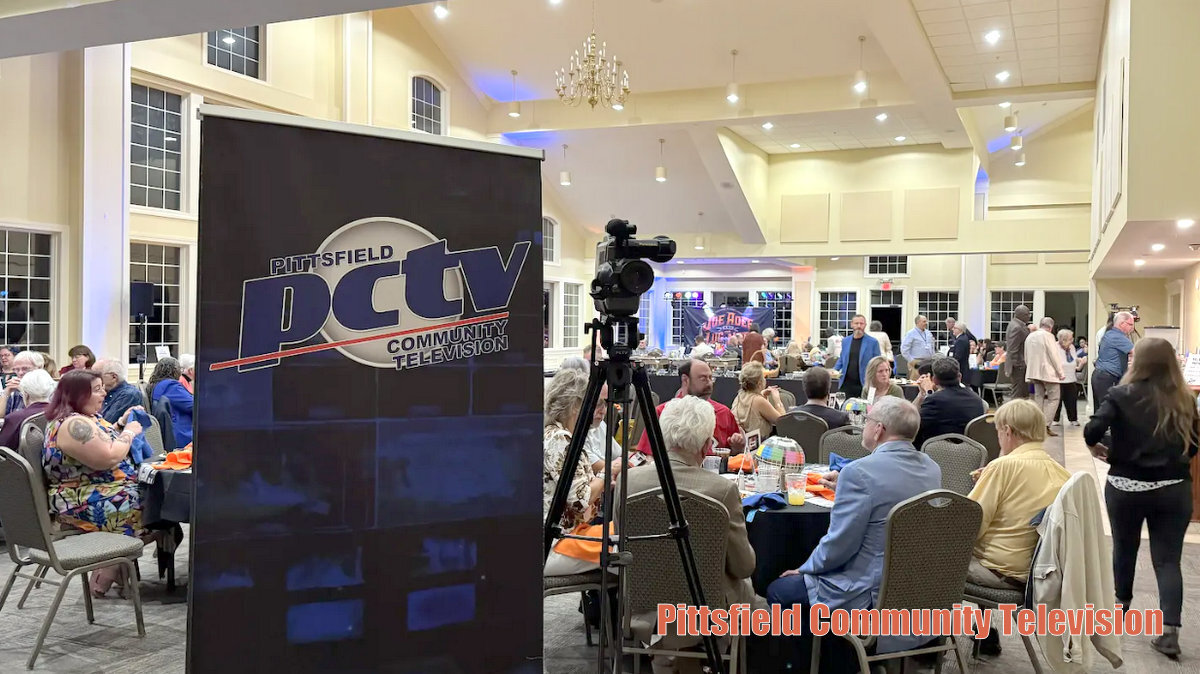
Public Access Stations Look to Legislature, Alternatives for Revenue
 |
This is the second article in a series looking at changes and challenges facing local-access cable television channels, also known as PEG (public, education, government) media. Read Part 1 here.
While their structure, scope and policies vary, the non-profit organizations that operate local-access cable TV channels face common financial challenges — and opportunities — that have been created by the increasing dominance of online streaming media.
Berkshire County has several of these organizations, which are officially designated as PEG (public, education, government) channels.
They include Pittsfield Community Television (PCTV) in that city; Willinet in Williamstown; Gateway Collaborative Media (GCM) which serves North Adams, Adams, Cheshire, and Clarksburg; the Dalton Community Cable Association (DCCA); Lanesborough Community Access Television (LCATV), and Community Television for the Southern Berkshires (CTSB) which covers Lee, Lenox, Stockbridge, Great Barrington and Sheffield. They distribute programming on cable channels designated for PEG services.
Several operate three channels, with each earmarked for one of those categories, including local government meetings and information, programming from schools, and channels for diverse public and community programs. They are independent from Charter Spectrum, which is the cable TV provider in Berkshire County. However, their primary funding comes from a fee of up to 5 percent of gross local revenues from its cable television subscriptions. This is a pass-through fee which Spectrum collects on subscriber bills and sends to municipalities to allocate for PEG.
These terms are negotiated in local license contracts with towns and cities. The municipalities have the option to require PEG or not, so some communities do not have this service.
There has been a steady decline in traditional cable TV subscribers, as viewers turn to online streaming media. This includes existing subscribers who "cut the cord" and young people who have grown up using online media rather than traditional cable. According to statewide data, cable subscriptions in Massachusetts have declined more than 50 percent from their peak.
This decline directly reduces the funding to PEG organizations. Since 2019, for example, PCTV has lost more than $969,000 in inflation-adjusted revenue, according to Shawn Serre, executive director.
Other PEG operators have been under similar pressure.
"It's a big concern," said Richard Frederick, executive director of CTSB, which has studios and offices in the Quarry Hill Business Park in Lee. "Because of the declining subscription revenues, the current system of funding alone will not be sustainable."
He and others cited one potential solution, which is a proposed bill under consideration in the state legislature, known as An Act to Modernize Funding for Community Media. PEG organizations and other proponents say one priority is to inform the public about this legislation and to advocate for its passage.
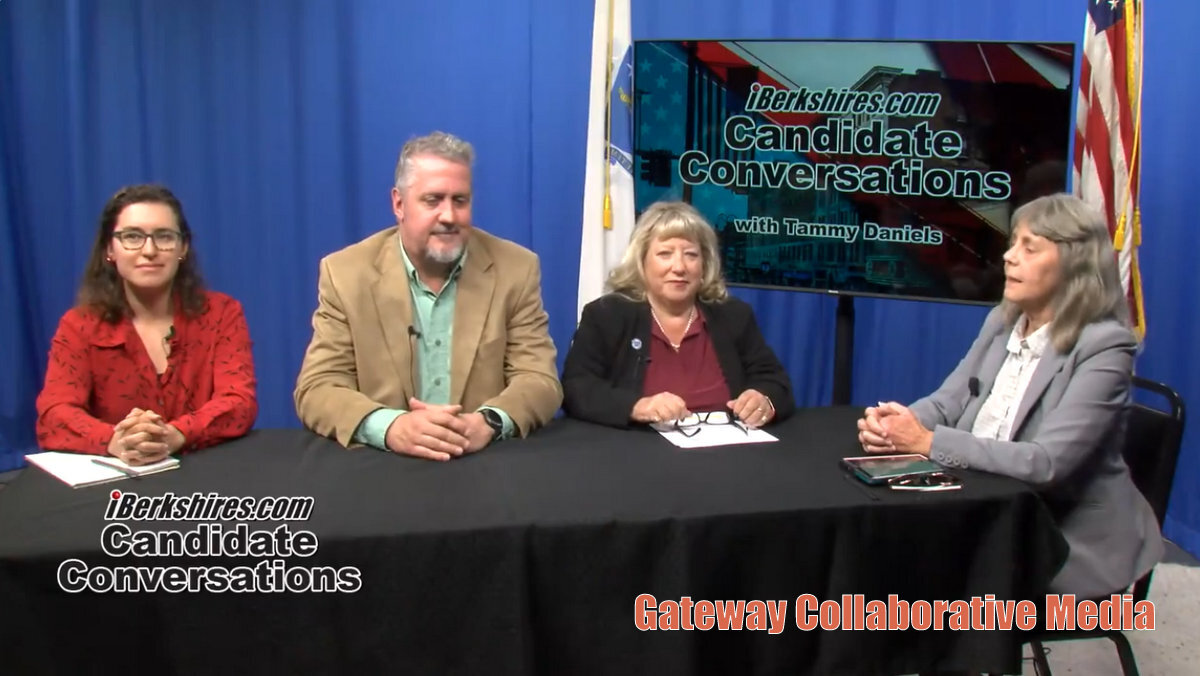
Local public access stations often collaborate with other media on debates and elections. They also broadcast regular local government meetings and town meetings.
The details are still under negotiation but a current version of this legislation proposes charging a fee to online streaming programming services such as Netflix or Disney. It would basically apply the same type of fee to streaming services that have annual statewide revenues over $250,000 in Massachusetts. This would be collected by the state and distributed to the 250 PEG operators in Massachusetts, to offset the loss of income from cable TV subscriptions.
"It is a similar arrangement with streaming services that currently exist for cable TV," said Matthew Tucker, executive director of Gateway Collaborative Media. "It makes sense because streaming services also use public infrastructure and right of ways to reach their customers. So this closes a loophole and creates equity between cable TV and streaming."
There are mixed opinions about its prospects for eventual passage. It has strong support among some legislators. "The Berkshire legislators have been very supportive, because they recognize the importance of PEG medias here," said Tucker.
It also has received other forms of public support. In February, for example, the Pittsfield City Council voted to endorse the bill.
However there are also critics, and it has been stalled in legislative limbo for several years.
There have been questions about specific details in how it would be implemented. In addition, there has been some resistance because of past federal legislation and court rulings that determined that internet activity should not be taxed.
"There have been mixed signals about its prospects," said Frederick. "My level of optimism depends on the day."
Nevertheless, that bill is not a cure-all, according to PCTV's Executive Director Shawn Serre.
"The legislation is critical, but it should not be the only thing we hang our hat on," said Serre. "It would help to defray the loss from cable subscriptions. But it would not be the only solution. We will also need to look at other options."
Serre said PCTV already augments its income from cable fees with other sources, such as fund-raising events, memberships underwriting, and offering production-services for a fee. The organization will continue to develop those and other alternative funding sources.
"We have to update our funding as the media environment changes," he said. "We've been active on several fronts to do that. PCTV has never used taxpayer funding.
"But communities need to have honest discussions about how they can support PEG and the services we provide. This may involve more direct funding to help us pick up the tab for our services."
Serre acknowledge that the funding question is challenging, but he believes PEG organizations can survive.
"We're facing difficult realities" he said. "We all have to have discussions and consider new options. But overall I'm optimistic, because I believe people do appreciate what we do for the community and want that to continue."
Beyond the funding challenges, PEG organizations have also been taking positive steps to enhance and expand their services, and assessing how to better meet local needs in the world of New Media. (Continued in Part 3)
Tags: cable television, deep dive,