Lanesborough Seeks State Support for Berkshire Mall Redevelopment
LANESBOROUGH, Mass. — The town plans to petition the state to take ownership of the Route 7/Route 8 Connector Road, which officials believe is a "critical component" of the Berkshire Mall’s redevelopment strategy.
On Tuesday, the Select Board approved a letter to state Sen. Paul Mark and state Rep. John Barrett III to request their support for the vacant mall's redevelopment by helping advance transfer of the Route 7/Route 8 connector and considering funding for essential infrastructure.
"We have held discussions with the Baker Hill Road District … which will take the necessary steps to formally petition the commonwealth to take over ownership of the Route 7, Route 8 connector…Your continued support in facilitating this transfer is greatly appreciated," the letter says.
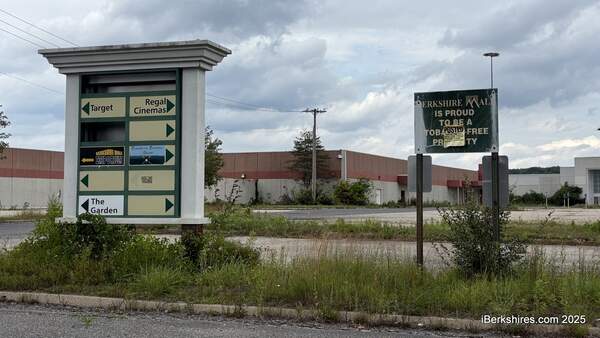
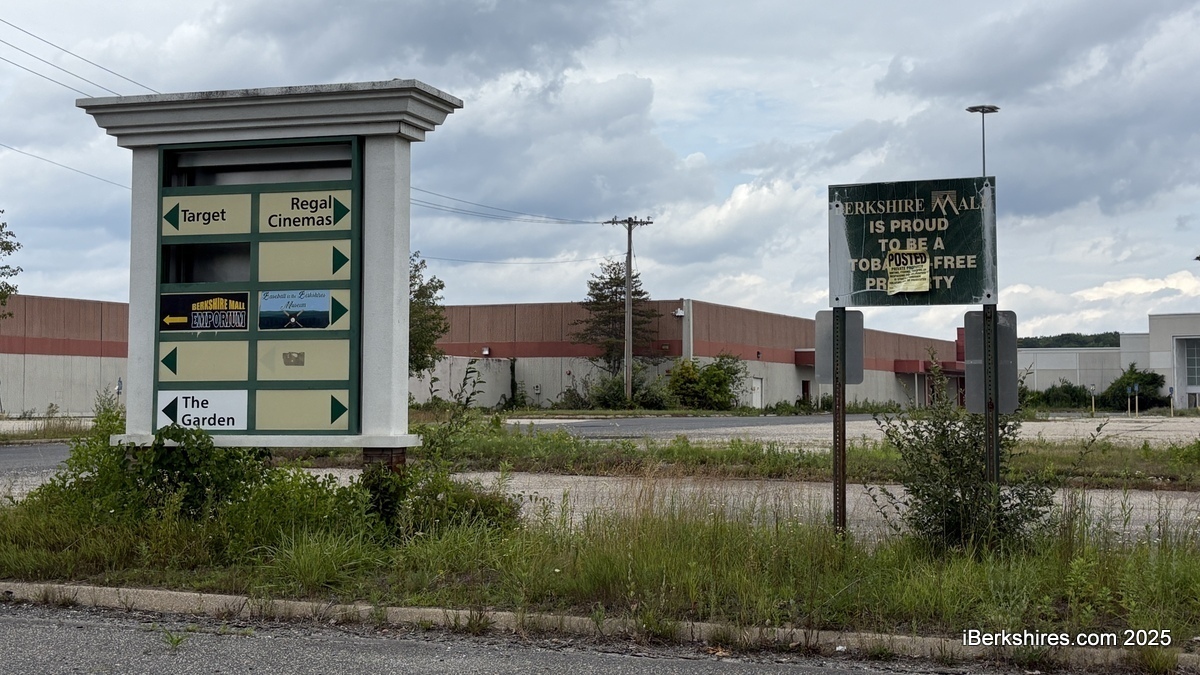
Berkshire Mall owner JMJ RE Holdings has said the potential sale and redevelopment of the mall hinges on dissolving the Baker Hill Road District, a condition of the agreement that, if unmet, would render the contract null and void.
As a result, the mall will continue to deteriorate and the litigation will proceed forward, said Tim Grogan, of JMJ.
Vera Farrell, the liaison to the Baker Hill Road District, said the district board had discussed at one of its most recent meetings that the connector road could be transferred directly to the state, rather than returned to the town; Barrett and Mark were also a part of the discussion.
"The representatives recommended that as an option, that it could transfer the connector road directly to the state, as opposed to deeding it back to the town to dispense it. If we get to that point, that would be a better option to do it that way," Farrell said.
"He said the worst option would be for the town to have to assume responsibility for road maintenance, and the representatives said that they would support the town and the district's work towards development of the road property."
The road district was created in 1989 to maintain the Connector Road between Routes 7 and 8 and assess the mall for fire and police protection. The mall closed in 2019 and its various owners since then have sought to redevelop the property.
JMJ has been under purchase contract with real estate developer Cypress Equities since May. Cypress Equities was established in 1995 in Dallas and has been building shopping centers around the country.
In August, Cypress's managing director, Scott Harrington, presented the company’s hopes on how to develop at the defunct mall. The company aims to attract top national brands while incorporating green spaces, murals by local artists, and more. There are already two large tenants that have expressed an interest.
The project would remain within the mall’s existing developed footprint, focusing on improvements to internal roads and infrastructure, including extending the sewer line from Partridge Road to the mall and installing a pump station to serve the property. Cypress would also look to the state to help finance these projects.
The town consulted with Mass Development to determine if a proposed tax increment financing agreement would be advantageous; however, the organization recommended pursuing direct funding from the district rather than establishing a district improvement financing structure, the letter to the state officials said.
"We plan to follow up with them to clarify the rationale behind this recommendation. Lastly, we identified two potential state funding sources to install critical water and sewer infrastructure. While some infrastructure currently exists on site, it is prohibitively expensive to replicate," the letter said.
"Furthermore, the current system relies on expired Massachusetts Department of Environmental Protection Mass DEP permits that carry heavy fines for noncompliance."
The site's infrastructure is in need of several overhauls, including its wastewater system and water supply. These upgrades will support the redevelopment of the former Berkshire Mall, the letter says.
The existing wastewater disposal system, which includes a treatment facility and leach field, has to be completely removed, re-permitted, and rebuilt within a Zone Two groundwater recharge zone, the letter to the state officials said.
The town is proposing replacing this facility with a forced sewer discharge system connected to the City of Pittsfield's wastewater collection system, it said.
This plan has been provisionally approved by Pittsfield and the Baker Hill Business District will follow up with the funding requirements for the construction, the letter said.
The area's previous water system tapped into the Pittsfield water main which requires a 750,000-gallon storage tank, large pump series, a backup pump, and a generator to meet the mall's fire protection needs, it said.
The town proposes upgrading to a direct connection to the Lanesborough Village Fire and Water District watermain.
This watermain can provide adequate domestic water and fire flows without the installation of extensive storage or pumping systems, the letter said.
The Fire and Water Districts will follow up with the funding requirements for the construction of this new water. The water district will be writing separately with further details and requirements, it said.
Tags: Berkshire Mall,