Barrett: Community Must Mobilize to Survive Lean Years
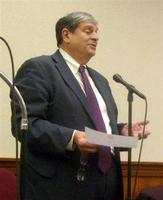 |
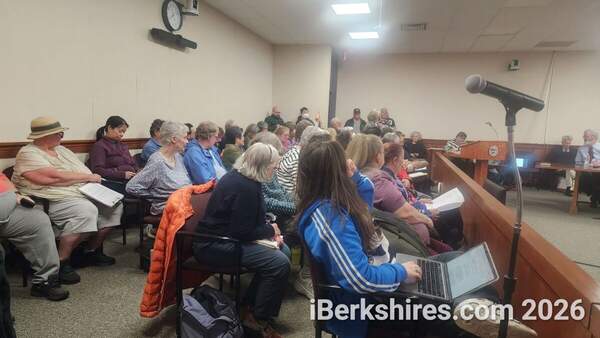
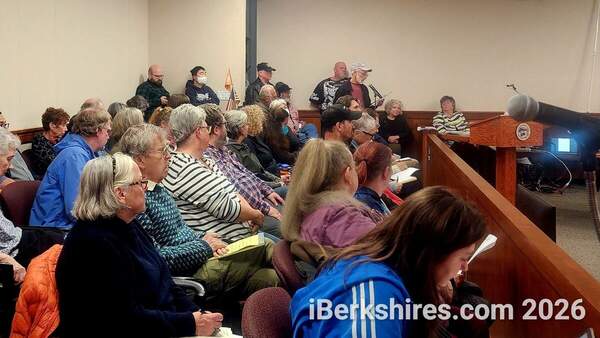
"It has to be real on how we're going to be able to get through this but it has to be a community effort," he told the City Council at Tuesday's meeting. "Never in my wildest imagination did I think we would be in this kind of crisis."
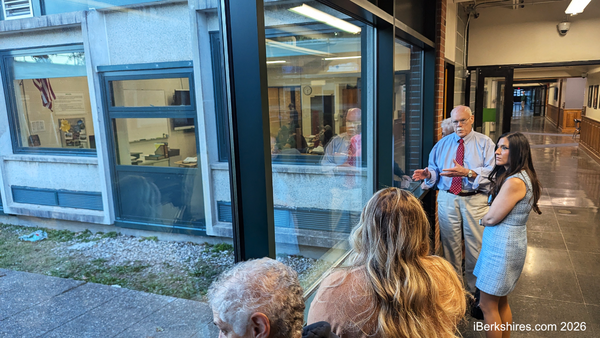
Barrett said he planned to meet with city departments and hold sessions with community members to solicit input and suggestions on how to weather turbulent years ahead, including the closure of Conte Middle School.
The city will lose, at minimum, some $2.5 million in revenue between this year's budget and next; even scarier, it will takes at least two years to get through a downturn that's looking more and more like a depression, he said.
The result has been sleepless nights and nightmares for the mayor about how the city can continue to provide services with departments that have lost 30 percent to 50 percent of their staff over the years from previous budget cuts.
"How am I going to weed whack [all the sports fields]?" Barrett wondered aloud, imagining a "weed whacker brigade" of volunteers.
The city cut $300,000 last fall in anticipation of losses in local aid as Gov. Deval Patrick sought to bridge a billion-dollar state budget gap. While direct local aid was not affected in that round, it was in Patrick's second set of cuts to fill another $1.4 billion shortfall.
North Adams lost some $538,000 from approximately $5.5 million in lottery and additional assistance aid; another $1.3 million in lost state aid is estimated for next fiscal year as well as up to a half-million in lost revenues, such as property taxes. Worse, the city's losses are steadily creeping toward $3 million as other line items get crunched.
For example, a bevy of heavy snowstorms has left the city's ice and snow account $55,000 in the hole; state cutbacks to veterans has created a $50,000 shortfall in the city's veteran services agency and a change in the funding formula for schools at the state level raised the city's assessment for McCann Technical School up another $250,000.
Patrick is betting on revenue generated from new rooms and meals taxes, which would be distributed the same way lottery money is now, and a companion 1 percent local meals tax that would be levied by municipalities. The tax, which Patrick has been pushing since 2007, has had lukewarm response from lawmakers and facing fierce opposition from food vendors already reeling from the economic downturn.
If the Legislature doesn't pass it, it could mean further cuts for cities and towns. Barrett thought the idea of raising the sales tax that he said is now circulating around Beacon Hill had a better chance of passing but, even with the local restaurant tax, would not bring in what has already been lost.
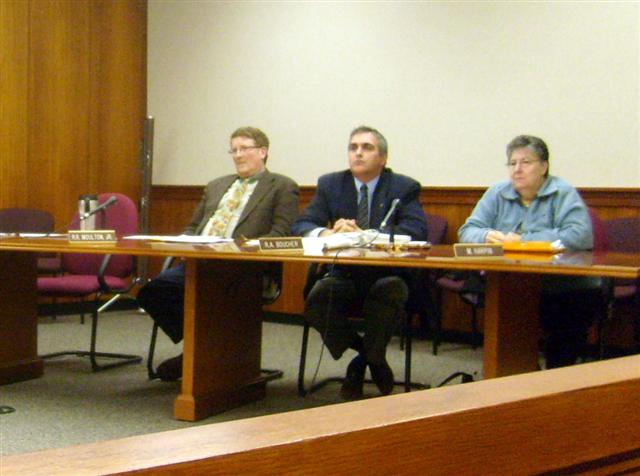
Councilors expressed concern over the closure of Conte and wondered other plans could be possible. Councilor Richard Alcobright asked if it was the best way to do it while Councilor Ronald Boucher wondered if it would better to keep Conte and build a new high school downtown.
 Barrett said the school department had hoped to spend more time on planning the closure, which has been under discussion for a couple years. Instead, it's coming down to which of the three grades (6,7 and 8) will be sent to the elementary school and which to the high school. "We wish we had a Plan A and a Plan B."
While the city, with help from the state School Building Authority, has a "model" school building plan, it could only go forward on city owned land with an influx of federal stimulus money to cover the city's portion, he said, but was not likely, too.
"It's not whether a school can be cut, it's got to be cut," the mayor said, adding the superintendent has been given a goal of saving at least $1.2 million to $1.4 million in planning the closure and moving of grades. "That's the only way you can do it without decimating the school system and laying off teachers left and right."
Barrett said no school programs would be cut.
In the meantime, he said the city would be searching for savings, such as selling off property, looking at energy savings and boosting productivity. He didn't plan on making any further cuts until firmer local aid numbers are known.
There are some bright spots on the horizon, such as the success of the Sol LeWitt exhibit at Massachusetts Museum of Contemporary Art that is drawing people to the city and the Lowe's Home Improvement planned in the city's south, which could spark more develop there. The Hadley Overpass is finally under construction and $2 million in improvements in the downtown streetscape will occur with funding set aside four years.
"I do think we'll make it but it's not a fun time," said Barrett.