Taconic School Study Approaches First Deadline
.jpg) |
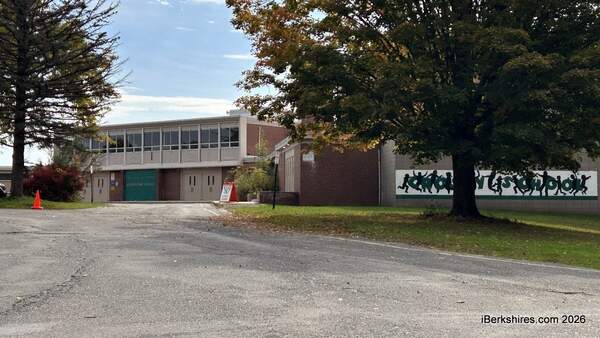
PITTSFIELD, Mass. — With a preliminary design plan due in to state authorities next month, much remains undecided about the proposed Taconic High School building project, but certain themes have emerged from initial steps of the current feasibility study.
Architectural consultants from Drumney Rosane Anderson updated the city's School Building Needs Commission on Monday on multiple aspects of the $1.3 million final study to design a new or renovated Taconic, including current building conditions, input from teachers, and feedback from the Massachusetts School Building Authority.
DRA's Carl Franceschi told the commission recent discussions with the state authority have honed in on a strategy for calculating the crucial question of enrollment in the proposed renovation or replacement of the school.
"We have a methodology now that we've agreed upon with the MSBA for moving forward," said Franceschi, "It's a positive and favorable step in determining the ultimate size of the building."
The MSBA wants Pittsfield to re-examine the total enrollment for both its public high schools, taking into consideration vocational programs which will be removed from Pittsfield High School to be sited in the revamped vocational structuring of Taconic, amounting to what DRA believes will be a total future student body in the vicinity of 920 students at each school.
Enrollment figures, particularly for the technical side of the comprehensive high school, are key in deciding the total number of vocational programs that the high school will be permitted to build for, which in turn will shape what programs are ultimately selected.
"The MSBA is not going to impose upon Pittsfield what programs it should have," Franceschi told the commission, but said the state authority does want to ensure "that the programs are well thought out, educationally viable, and financially viable for the district."
The decision of what educational programs to include will fall to the city's elected School Committee, and the SBNC will then work with DRA and the MSBA in order to arrive at a design which can accommodate these within the space restrictions stipulated by the state agency. The School Committee last year put forth a proposed plan of 15 programs, but recent discussions have suggested this number may not be realistic.
On the issue of whether to renovate or rebuild, recent analysis of the existing facility has highlighted numerous limitations to its reconstruction. DRA renovation experts said any overhaul would need to completely replace the roof, as well as all windows and most of the electrical, mechanical and plumbing systems throughout the ailing building.
The concrete block construction of the building would also provide major difficulties to moving walls in the kind of space reorganizations that will be needed, and there are inherent issues with the way in which it is situated on the property, according to the architects. Additionally, asbestos removal that would be required in renovation would not be eligible for reimbursement by that Commonwealth.
"Cost is certainly important," said Franceschi, but not the only criteria that the SBNC should look at in weighing its decision.
DRA also held a workshop with approximately 70-80 educators, sharing information with them on current best practices in school building educational strategies as well as gathering input on what they view as important in a school building.
Franceschi said this sample of teachers highlighted several widely shared educational priorities they would want to see considered in school building design. These include having space that is optimal for the Common Core's "21st Century Skills" development, STEM (Science, Technology, Engineering, and Math) education, technology rich environments and collaborative planning spaces for teachers. This session is the first step in what will be an ongoing process of working with teachers throughout this process.
"The public should know that some of the conversations we're having will fundamentally change the way our students are being taught in the classroom," said City Councilor John Krol of the discussions with teaching personnel. "What we're trying to do is so big, and so important, in trying to draw students here, I think that's a key element."
Input from the school district's students may be more limited, and the exact approach for gathering it not yet identified, though Franceschi said that it could involve such options as hosting a table in the cafeteria for lunch, or asking student government representatives to be responsible for gathering such input.
"We definitely want to arrange with the principal the best way to get feedback from students," said Franceschi.
DRA and the SBNC hope to have developed a preliminary plan including the proposed educational scheme for Taconic to submit to the MSBA in May, to be followed by a final preference on the question of whether to renovate or rebuild due by early August.
Working plans and documents on the ongoing School Building Needs process are available to the public for review on the school department website.
Tags: MSBA, school project, Taconic High,