Pittsfield Police Advisory Looking At Downtown Ambassador Program
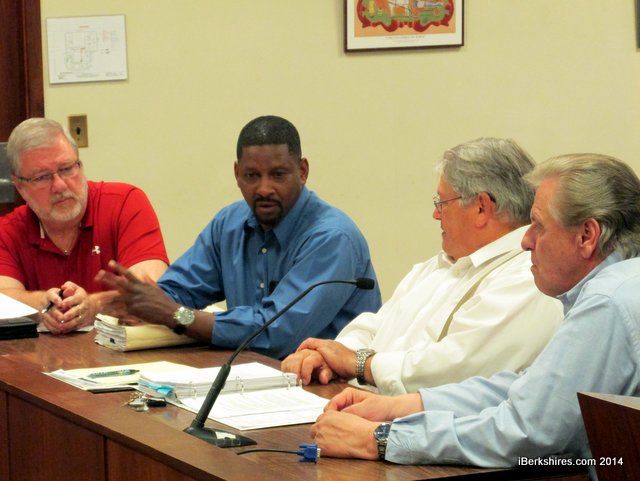 The Police Advisory Committee is helping to create an ambassador program to help keep a watchful eye on North Street. The Police Advisory Committee is helping to create an ambassador program to help keep a watchful eye on North Street. |
PITTSFIELD, Mass. — Downtown Pittsfield Inc. is working with Berkshire Community College to start an ambassador program to increase safety in the city's main corridor.
According to Police Advisory Committee member Katie Roucher, there have been meetings between that committee, BCC and DPI about starting a program.
The ambassador program would send students downtown to help orient tourists and keep an eye on crime.
"They'd just be eyes and ears. They'd be ambassadors to help tourists," Roucher said. "We've been progressing along. The college is right now looking into some of the parameters they'd want to put on the program."
The idea came out of Downtown Pittsfield Inc's request to the city to increase police presence downtown. Mayor Daniel Bianchi gave the department the OK to use overtime and pay officers for daily patrols of North Street.
The PAC ultimately decided that the best solution would be for the city to hire five additional officers to form a downtown patrol. Bianchi said no because of the costs. But, the ambassador program was one potential way to improve safety downtown and DPI committed to helping form the program.
Now, according to Roucher, the college is currently working out the logistics of the program, including the number of students, the accreditation and hours. Roucher hopes this summer to have the students on the street.
"The college is looking into certain parameters in how they will conduct it with liabilities issue and if they will conduct it as a credited program," she said.
On another topic, the committee is still looking to survey residents on their opinions of crime and the police station. The survey will help support recommendations the committee makes to the mayor.
The questions are focused on how residents feel about their safety and then asks if they would be willing to pay for additional police resources.
Police Chief Michael Wynn made a distinction between the public's opinion and actual facts. He said the surveys would likely yield responses that differ from actuality.
For example, Wynn said every time he asks neighborhood watch groups how many patrolmen are on duty, the respondents typically say almost three times more than there actually are.
"The vast majority of the comments we receive is that violent crime is increasing. Violent crime is decreasing in the city of Pittsfield," Wynn used as another example.
But while violent crime may be decreasing, the number of calls for services is increasing, he said.
Other examples of the difference between public opinion and police statistics are in regard to North Street. Downtown Pittsfield Inc. and the mayor have asked for a higher police presence in the main commercial district. However, the Police Department says there are significantly more needs in other parts of the city.
Also, a smaller committee is crafting new ordinances regarding traffic violations and ticket fees. According to Chairman Alan Righi, the goal is to have the new ordinance crafted by next year. The subcommittee is redrafting the entire section of the city code.
"At the suggestion of the city solicitor, we thought it might be a good idea to revamp the city ordinances having to do with fines," Righi said.
Tags: advisory committee, downtown, North Street, Pittsfield Police, police advisory, police patrols,