Pittsfield Mulls Residency Requirement For Boards and Commissions
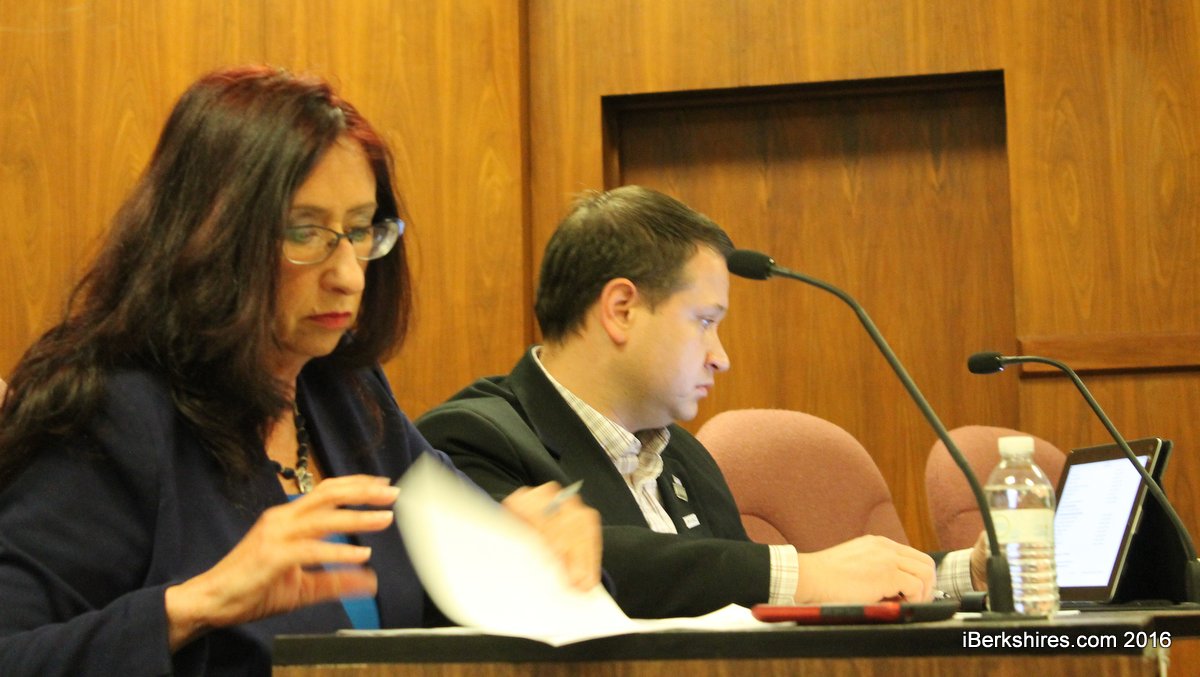
Ward 5 City Councilor Donna Todd Rivers supports the petition.
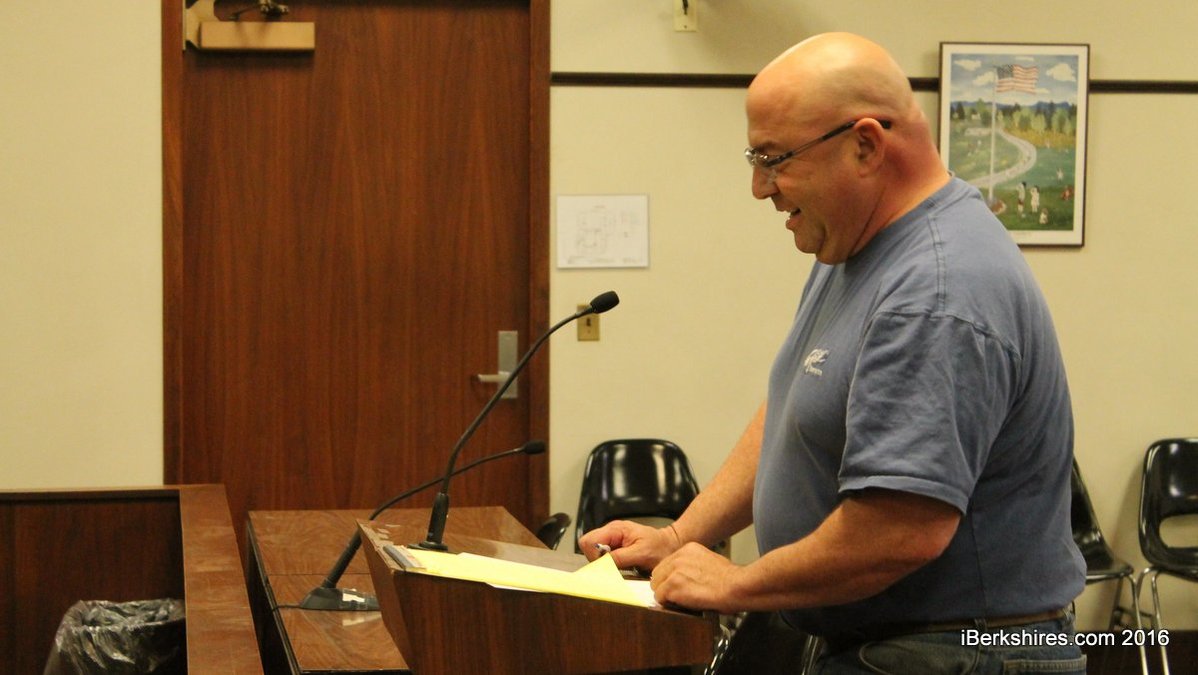
That's the question in front of the City Council's Ordinance and Rules Subcommittee. The group met on Monday to discuss a proposal put forth by resident David Pill to implement a residency requirement for all boards and commissions.
"They are making decision about my community and they don't live here," Pill said.
Many of the boards have authority to implement rules or issue permits that could have an impact on business or taxes or the environment. But, if a member of the board doesn't live in the city, he or she doesn't have to face any negative consequences for the decision, Pill said.
There are members of boards that use business addresses inside the city or post office box but don't live in the city.
Councilor Nicholas Caccamo agreed saying, "it is simple to say yes to something and then drive by it and leave."
The subcommittee agreed to get an updated list of appointed members, their home addresses, and the committee bylaws that outline any requirements for each group. The subcommittee is looking to find some type of a compromise — acknowledging that some boards would benefit from outside viewpoints while others would be better served by residents.
"I don't agree that all boards and commissions have residency requirements," Ward 6 City Councilor John Krol said.
Krol proposed a residency requirement on any board or commission with authority to grant permits, especially those with special permit granting authority. Those would include the Community Development Board, Board of Health or the Conservation Commission.
But, he said some boards are more advisory, like the Green Commission, while others require a certain expertise, such as the Airport Commission. For those he didn't feel a requirement would necessarily be beneficial.
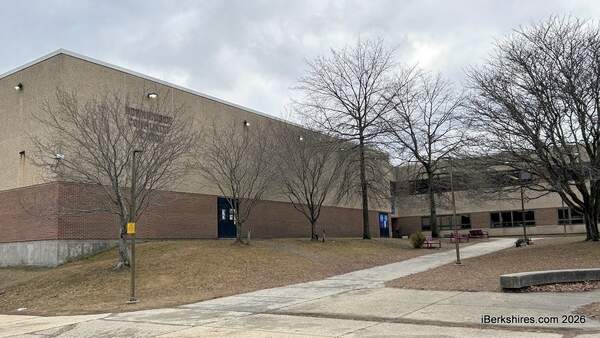
Particularly cited by both Pill and Ward 5 City Councilor Donna Todd Rivers is the School Building Needs Commission. That board is heading the Taconic High School project but some of the members do not live in Pittsfield.
"Their children aren't even going to school in the city of Pittsfield and they aren't residing in the city of Pittsfield," Rivers said.
Rivers said with a city of more than 40,000 people, there is "plenty of expertise" to fill boards and commission. She suggested implementing a residency requirement but having a waiver. The waiver, however, didn't gain support from the rest of the subcommittee.
Councilor at Large Peter White was initially against the petition but said he was somewhat swayed by the rest of the subcommittee's arguments and willing to discuss options.
White's opposition was focused mostly on how many people would be booted off a board or commission should there be a requirement. A brief look over the roster, White counted more than 10 names of people who bring expertise to boards but wouldn't fill the residency requirement.
"The number of people we would lose if we implemented this is troubling," White said.
Councilor at Large Melissa Mazzeo said Springfield, Cambridge, Dartmouth, and Northhampton all have residency requirements. She suggested if someone can't fulfill the residency requirement, that person can take a non-voting position on the board. That way the committee can receive the expertise but the ultimate decisions would be made by residents.
"There are so many people who own large businesses and employ a lot of people but live somewhere else, so how do you give them a voice?" Mazzeo said.
Krol said some of the city's boards already do have requirements — such as the Licensing Board. But, he'd like to have a deeper look at the bylaws of the other committees.
Pill also questioned if city employees or councilors should serve on some of those committees and boards. He said by having those people on the board, it gives the perception that the member is driven by other motivations.
He pointed to the Zoning Board of Appeals as a good example of operating because city staff is there to provide information and expertise but not to make decisions.
In attendance at the subcommittee member was resident Alex Blumin, who voiced support for the petition.
At the end, the subcommittee opted to table the discussion and will take it up after seeing an updated list of members with addresses. From there, the group will also delve into the bylaws of each committee and discuss possible legal language with the city solicitor.
Tags: ordinance & rules , residency, town boards,