image description
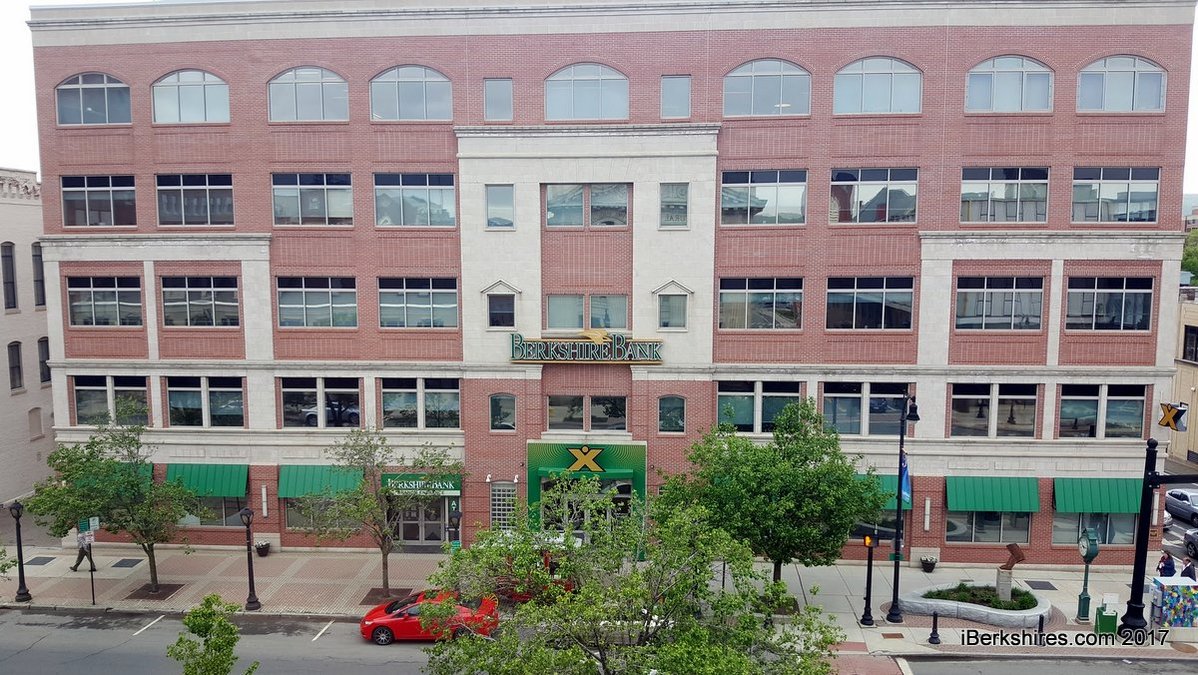
The corporate offices of Berkshire Bank's parent, Berkshire Hills Bancorp, is moving to Boston.

Berkshire Bank Moving Corporate Headquarters to Boston

Staff ReportsiBerkshires
Print Story | Email Story
PITTSFIELD, Mass. — Berkshire Bank is moving its corporate headquarters this Boston later this year as it acquires Commerce Bancshares Corp., increasing the bank's holdings to $12 billion.
 
The $209 million acquisition makes Berkshire Hills Bancorp the largest regional bank in Massachusetts, according to officials, and the first regional bank headquartered in Boston in decades. Bank officials say moving its corporate headquarters will not affect its employees here and that the operational center will remain on North Street. 
 
"Locating our corporate headquarters in Boston will not take us away from our roots in Berkshire County; we remain committed to all of our employees, customers and communities," said Michael P. Daly, CEO of Berkshire Bank in a statement. "Boston will offer our senior executives connectivity with government leaders, regulators, and decision makers, and provide the ability to attract broader workforce talent as the bank continues to grow. ...
 
"This is not only important to Boston, but to all our local markets, to be the first regional bank with a Boston headquarters in decades."  
 
Senior executives will have offices in both Boston and Pittsfield, which will remain the operational hub and regional headquarters. Berkshire Bank has two locations on North Street but officials say neither location will be affected and no employees will be affected.
 
The bank sees Boston as a far-flung extension that will offer a base for "senior leadership to build relationships with key regulators, business leaders and potential business partners," according to a spokesperson. "This is an important part of our continued growth strategy; any future growth will have an ongoing positive impact on our operations in the Berkshires."
 
Commerce reported $1.5 billion in loans and $2.0 billion in deposits as of March 31, 2017, adding $2.2 billion in assets to Berkshire Bank. The merger includes 13 branches in the Worcester area and three branches in Boston. The bank currently has $9.3 billion in assets and 97 full-service branch offices in Massachusetts, New York, Connecticut, Vermont, New Jersey and Pennsylvania.
 
Previously known as Berkshire County Savings Bank, the bank was established in 1846 and has gone through a number of mergers and acquisitions over the decades. In the past 10 years alone, it has acquired eight banks, including Legacy Banks, three specialty finance companies, six insurance companies and a branch network, according to its fact sheet. 
 
Berkshire Hills Bancorp is one of the largest employers in the region. It employs more than 1,500 people across the state and its institutions. 
 
The relocation of the bank's main office is subject to regulatory approval. The downtown Boston corporate headquarters location will be announced in early third quarter 2017. 
 
"Relocating our corporate headquarters to Boston's financial district is a well-timed move that will make us stronger by driving value and adding jobs that will benefit our employees and customers across our footprint," said Sean A. Gray, chief operating officer. "As a successful regional bank, having our headquarters in a strong hub for the financial services industry provides economic value and takes advantage of the largest New England market to fuel growth, increase our ability capitalize on our investment in all of our communities."

Tags: Berkshire Bank,   
If you would like to contribute information on this article, contact us at info@iberkshires.com.

Berkshire Market Continues to Defy Broad Headlines

By Sandy CarrollGuest Column

The good news — residential sales rose countywide 7 percent, dollar volume rose 14 percent. 

If there's one takeaway from our full 2026 Q2 Market Watch Report, it's this: all real estate is local.

National economists can provide context, but they rarely tell the full story of what's happening here in Berkshire County. In fact, this year's numbers reinforce just how important it is to look beyond countywide trends and into individual communities.

After a slower first quarter, the market found its footing. Through the first six months of 2026, residential home sales increased 8 percent while dollar volume climbed an impressive 14 percent, reaching nearly $257 million in closed sales. Median sale prices also continued their steady upward trend, reaching $360,000 countywide.

The strength of the market, however, wasn't evenly distributed.

Middle and South Berkshire led the way with gains in both sales and dollar volume, while North Berkshire experienced a modest decline in residential activity overall. Yet even within those regions, individual towns told very different stories. Some communities experienced significant growth while neighboring towns slowed considerably — another reminder that real estate decisions should always be based on local market knowledge rather than broad assumptions.

 As our inventory levels shift, and in some months our absorption rates look to be heading toward a more balanced market, it is important to look at the price ranges where listings are selling, versus where we have a lot of inventory. The steady pace of the second quarter has created a very hectic market in the field, with agents running non-stop to manage their client demands. With a slightly lower pending sales rate heading into the third quarter but still a frenetic pace in the market, it's hard to project what the third quarter will bring.  It's also important to dig into town trends, as that is definitely an interesting and varied part of the market that this generalized data doesn't easily reveal.

Outside the single-family market, conditions remain mixed. 

Condominium and multifamily sales softened compared to last year, commercial sales remained modest, while land sales showed encouraging improvement after several challenging years. Mobile homes also continued to provide an important affordable housing option and posted solid gains during the first half of the year.


Perhaps one of the most encouraging trends is inventory. While still well below historical norms, available housing continues to improve gradually. Berkshire County remains a seller's market, but additional listings are creating more opportunities for buyers than we've seen in recent years.

Nationally, economists expect housing activity to strengthen during the second half of 2026 as inventory grows and mortgage rates stabilize. Whether those forecasts fully materialize remains to be seen, but locally we've already witnessed how quickly market conditions can change from one quarter to the next.

As always, this summary only scratches the surface. Our complete Market Watch includes town-by-town statistics, historical trends, appreciation data, and detailed reports for every major property type. Whether you're buying, selling, investing, or simply keeping an eye on the market, those local details often tell the most important story.

Full PDF Editions: 2026 Q2 Market Watch Report

Sandy Carroll is CEO of the Berkshire County Board of Realtors.
 

View Full Story

More Pittsfield Stories