Lt. Gov. Polito Delivers $425K For Habitat For Humanity Condo Project
.JPG)
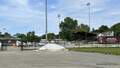
Three new condo buildings will be constructed off of Deming Street, near Elm.
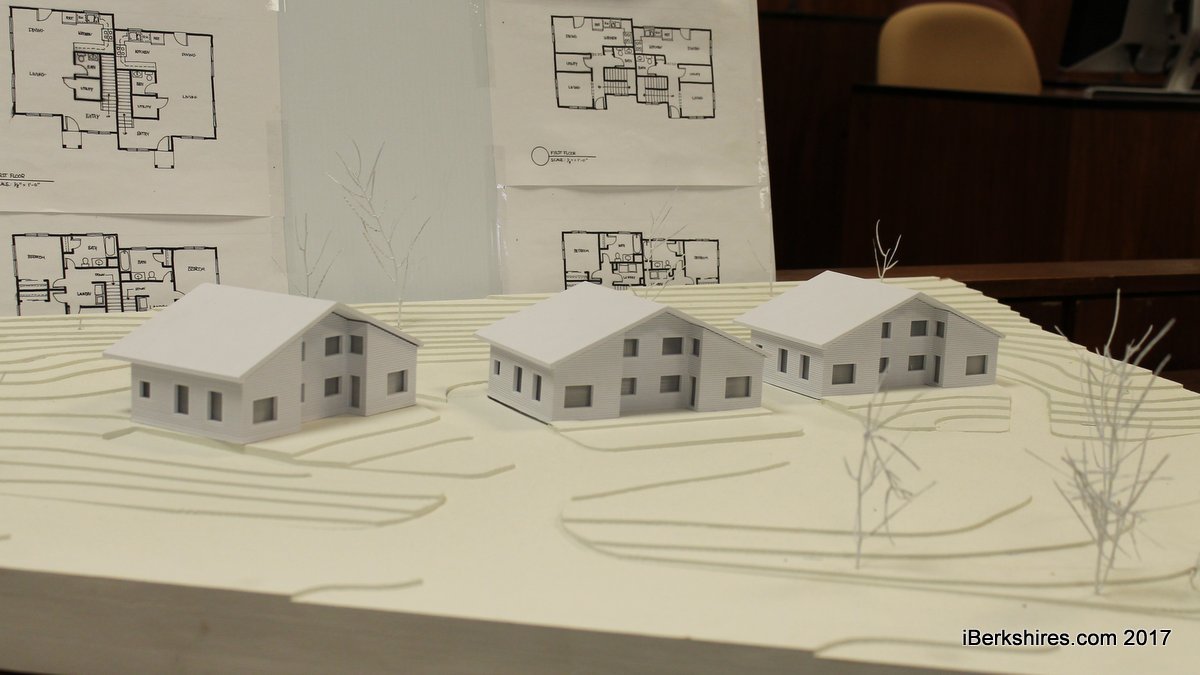
The non-profit worked with White Engineering to design a condominium project featuring three buildings, with two units in each.
It will provide housing for six families. And it will be all net-zero for energy usage.
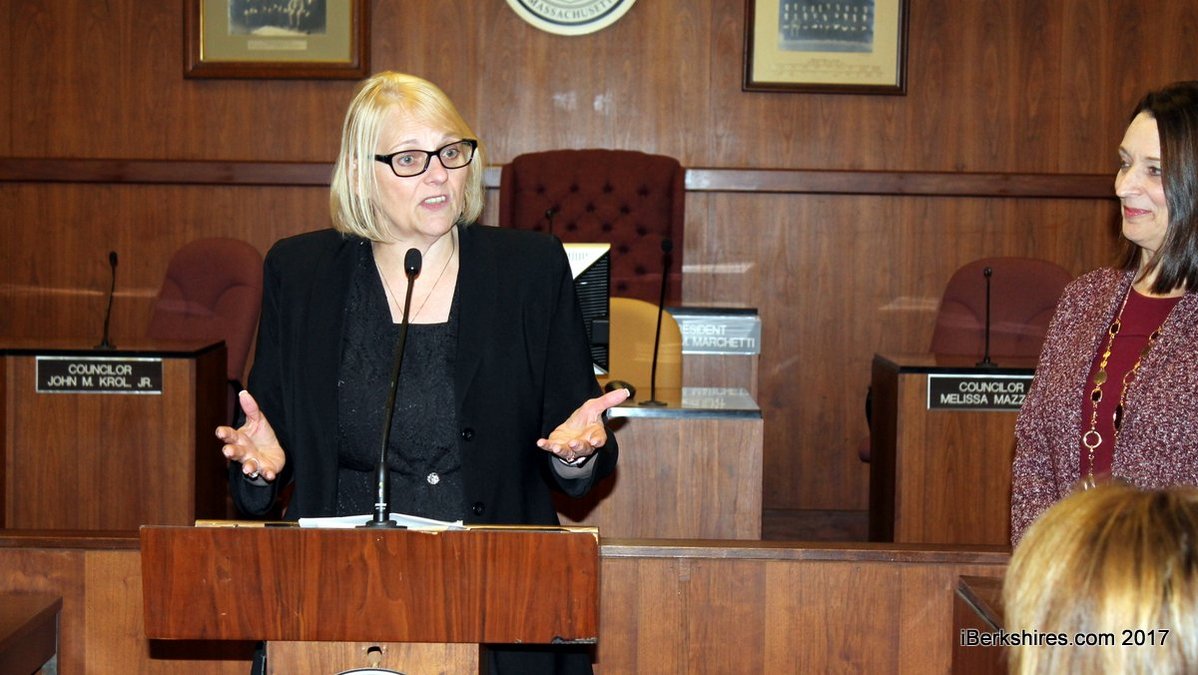
"They donated the property and then we started trying to figure out what we wanted there. We worked on the concept behind it and once we started getting the cost of it, it wasn't going to be affordable. We had to start and stop," Executive Director Carolyn Valli said.
The numbers just didn't work but as time went on, green technology improved and costs came down. The organization went back to White Engineering to cut some things out, changed technology, and tried to make the numbers work. But, there was only so much they could scale back in order to build what they envisioned.
"I still ran the numbers and exactly what we were shy was the infrastructure cost," Valli said.
The unit will need a new roadway coming off Deming to provide access and fire protection to the homes.
"It is all the roadways. We have to build it and it has to be wide enough for the fire trucks to go through. It has to be a certain material. We are up on a hill, across from the river, but even so you have to build it as if you are living next to the river," Valli said.
And then Valli heard about the state's MassWorks program from Justine Dodds who works in the city's Office of Community Development. The state program is for infrastructure projects such as what is needed to support the housing production.
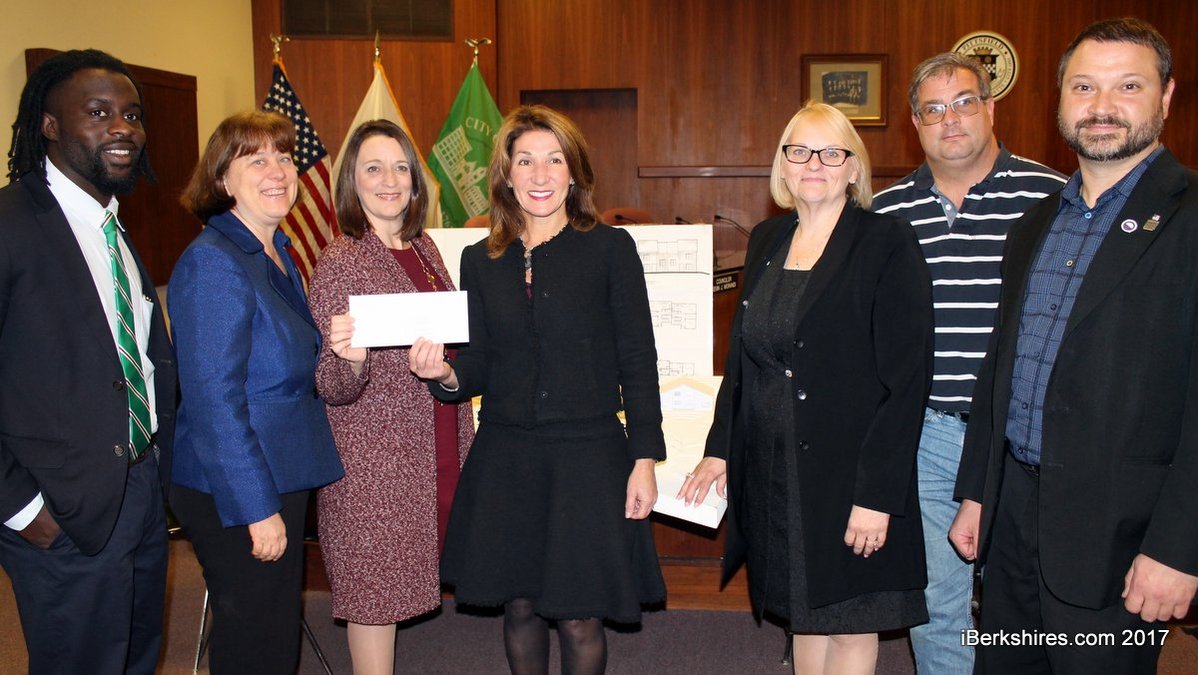
The city put forth an application and on Thursday, Lt. Gov. Karyn Polito announced that the state will pay $425,000 to get the infrastructure work done.
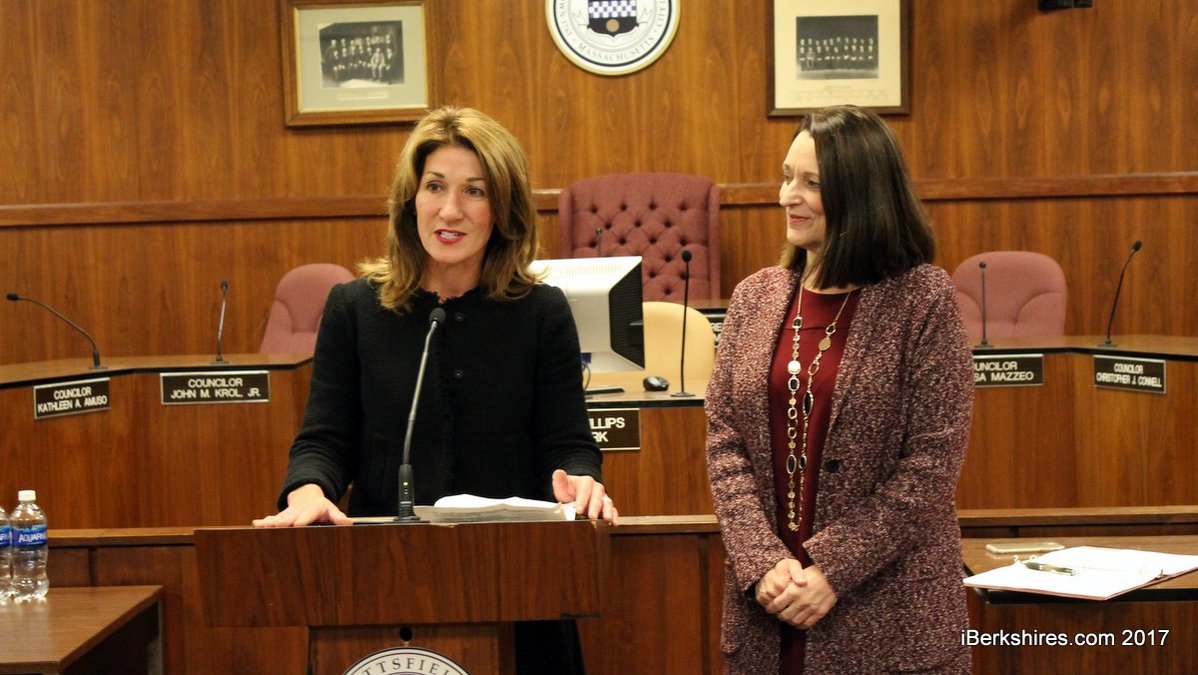
"In this case, our investment is leveraging over $700,000 of private investment and your partner in donating this land," Polito said.
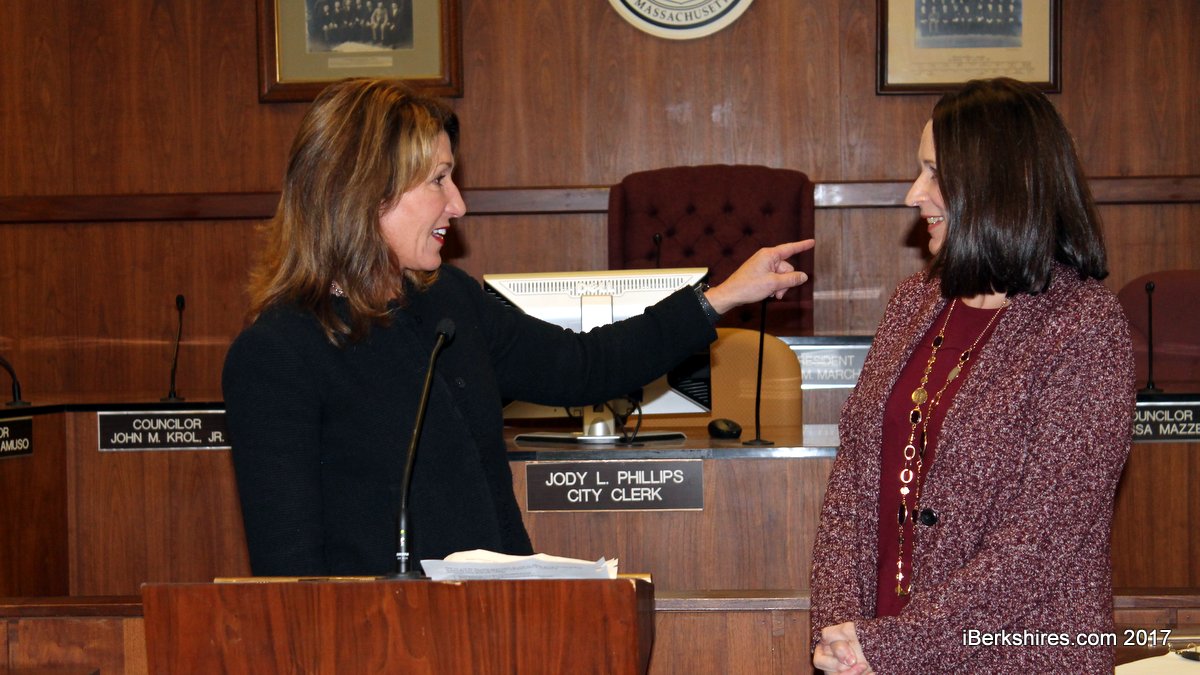
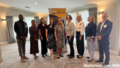
Lt. Gov Karyn Polito and Mayor Linda Tyer.
In the spring, Habitat will start construction on the project that will cost more than $1 million. The city, meanwhile, will handle the procurement of the road work.
Within 18 months, the condominiums will be ready for six families to move into.
"Habitat for Humanity is a brand that is universally loved. It is one I have a passion for. My family is in the construction business," Polito said.
Mayor Linda Tyer credited not only Habitat for the effort it has and will do for the project, but also city staff who wrote the grant application. She said the city was up against 96 other communities seeking money.
"This is another fine example of how the city, state, and our non-profit partners work together to bring good things," Tyer said.
State Rep. Tricia Farley-Bouvier praised the work as well, saying the Berkshires work collaboratively better than anywhere else. And state government is part of that team.
"It is through that teamwork that we are able to take limited dollars and do great things with it," Farley-Bouvier said.
Farley-Bouvier said Habitat's work is not just building homes, but building strong families. She said strong families is what builds strong neighborhoods.
"The Berkshire Habitat for Humanity is the very best. They bring community activism. They bring grassroots organization. They bring services. They empower people. They bring professionalism," Farley-Bouvier said.
The project helps clean up what was once a blighted area — and now is cleaned up and featuring a sign promoting the project. It provides new housing for families.
And those who move into those homes aren't just given it — they have to go through financial coaching, build credit, put in sweat equity, and then pay the mortgage. The recipients of the homes take on a mortgage after becoming resilient financially.
"This project that MassWorks is supporting is a vital building block for the lives of so many people in the city of Pittsfield," Tyer said.
The project will all be good for the environment. The buildings will be net-zero ready so they'll be inexpensive for utilities.
"We want to make it affordable for everybody to live here," Valli said.
Tags: affordable housing, habitat for humanity, MassWorks grant, polito, state officials,