Pittsfield Subcommittee Continues Debate On Plastic Bag Ban
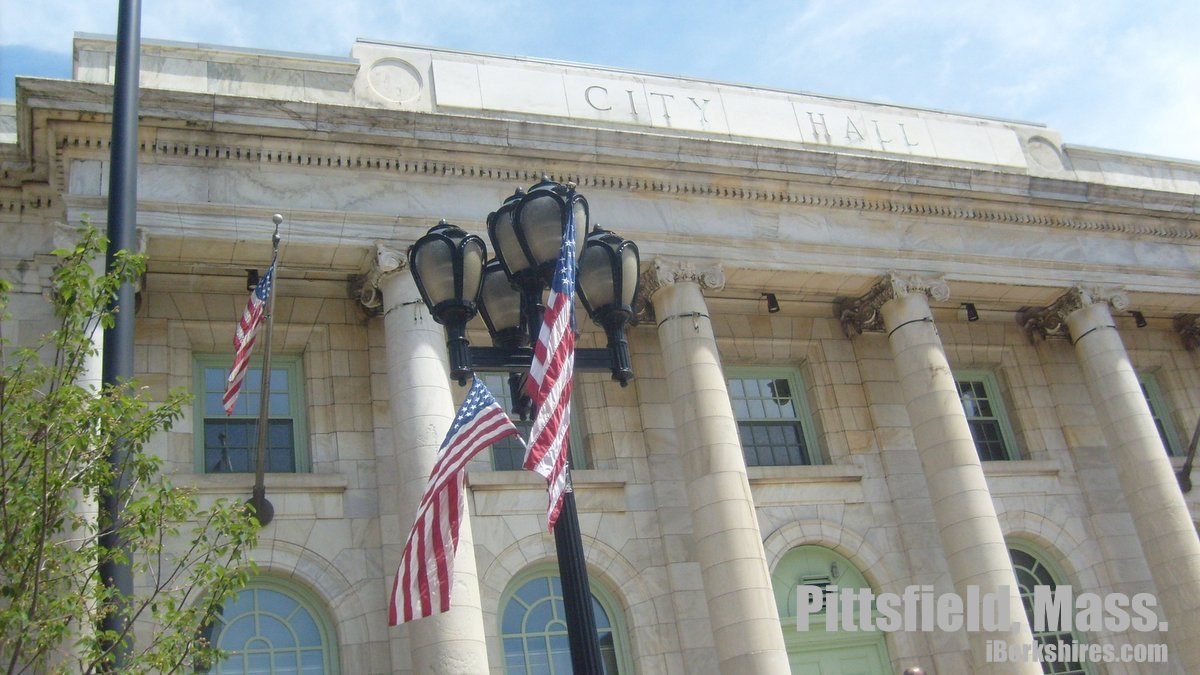
PITTSFIELD, Mass. — The proposed plastic bag ban will remain at the subcommittee level for councilors to wordsmith the ordinance and consider alternative bag options.
After two hours of conversation on Monday, the Ordinance and Rules subcommittee voted to table the five-year-old proposal. The councilors heard from GXT Green, a company which manufactures biodegradable bags, about providing an alternative bag option for retailers and the Health Department raised concerns about the enforcement policies.
The bulk of the conversation revolved around Michael Vanin, chief operating officer for GXT Green, who made a presentation regarding his bags. He said the bags do not break down the way plastics do, which provides the same environmental protections as a ban would, while giving retailers a lower cost option than paper bags.
"Not only is it good for the environment but for the consumers, and critically important for businesses," Vanin said.
Vanin hopes for language that would allow his types of bags to be allowed in the city. He said paper bags are worse for the environment "on the front end" and a ban would promote the use of that.
However, Rinaldo Del Gallo, an attorney who first proposed the ban, said he doesn't believe the bags are as environmentally friendly as Vanin presented. He is looking for the passage of the ban as written and said consideration of Vanin's technology could always come as an amendment later. He believes a debate on the science behind the bags could become a lengthy discussion.
"There is a lot of science and it is very debatable," Del Gallo said.
Del Gallo was supported in that thought by Jane Winn of the Berkshire Environmental Action Team.
A few local businesses could appreciate the lower cost option. A representative from Stop and Shop estimated that it would cost the store $120,000 more a year. She said the store uses 3.3 million plastic bags per year and that would then have to be shifted to the more expensive paper bags. Meanwhile, Berkshire Wine and Liquor suggesting the city instead adopt a mandatory 5 cent charge for plastic bags instead so the businesses don't have to should the cost of the switch.
Council Vice President John Krol, however, said the cost increase won't be nearly as dramatic. He said when bag bans are put in place most residents switch to reusable carriers.
"I don't see the degradable plastic bag as a real option and I don't necessarily see the cost to establishments as being as dramatic as $120,000," Krol said.
Krol is wary of putting too much debate into Vanin's request at this moment, saying it "muddies the waters." He said he'd rather move forward with the ban and consider adding language to support that technology later.
Councilor At Large Melissa Mazzeo, however, thinks providing alternatives is a critical discussion to have before writing an ordinance. She believes a lot more companies will be impacted by the ban than many think. Ward 5 Councilor Donna Todd Rivers said the city should be keenly aware of the impact on businesses.
Rivers was also particularly interested in the Health Department's concerns. Director Gina Armstrong said the department does not have the staff to inspect every single establishment for plastic bags. She proposes language that would make the Health Department's enforcement actions be based on complaints, not inspections.
"The Health Department will not have the opportunity to monitor implementations in all of our establishments," Armstrong said.
She also would like to get the Board of Health away from being the deciding factors on deferments. If a company wants some additional time to comply with the ban to get rid of old stock, Armstrong wants that decision to be made by a small internal committee consisting of a representative from the Green Commission, the Health Department, and one other city official.
The Ordinance and Rules Committee opted to table the issue for more discussion.