


Six candidates are running in the November election for the four 4-year terms open on the seven-person Mount Greylock Regional School Committee. All voters in the two member towns can cast ballots for up to two candidates from among three people running for the Lanesborough representative seats and up to two candidates from among the three vying for the two Williamstown seats.
This year, voters will have to write in their choices as an error prevented the candidates' names from appearing on the ballot.
iBerkshires asked all six candidates about their views and positions on topics relative to the School Committee. You can find these below.
This year, voters will have to write in their choices as an error prevented the candidates' names from appearing on the ballot.
iBerkshires asked all six candidates about their views and positions on topics relative to the School Committee. You can find these below.

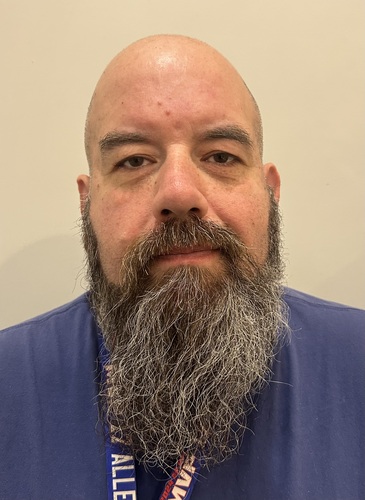

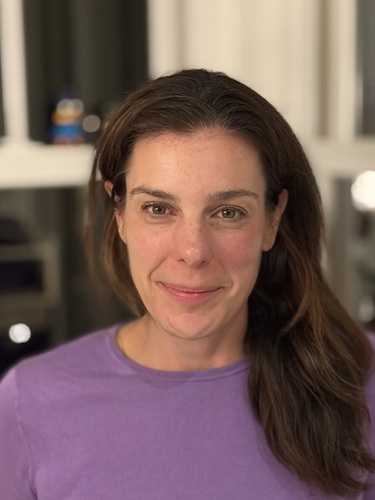


Carolyn Greene, Williamstown
Curtis Elfenbein, Lanesborough
Jodi Szczepaniak-Locke, Lanesborough
Laurel Bifano, Williamstown
Melissa Zuroff, Lanesborough
Steven Miller, Williamstown
Other than being a resident of your town, what is your connection to the regional school district? Do you currently have children in the district, and, if so, what is the grade level of the youngest? If you do not currently have a child in the district's schools, did you have one in the past, and what year(s) did the youngest graduate?
When I joined the Mount Greylock Regional School Committee in 2009, the region was composed of Grades 7-12. I was a parent of two kids in the district at that time. My older daughter graduated Mount Greylock in 2012 and my younger daughter graduated in 2022. I myself graduated from Mount Greylock in 1980.
My commitment to the district is manifest in the transformations I have lobbied for and helped to carry out as part of my work on the committee. These include expanding the region from 7-12 to preK-12, building the new 7-12 middle/high school, and resolving the track and field decision-making dilemma. I chaired the committee for four years, served as vice chair for another four, and currently chair the finance subcommittee. I have also participated in county-wide and north-county initiatives to address the growing challenges of school districts in western MA, and I am in my fifth year of service on the Massachusetts Association of School Committees representing Berkshire County.
I am the only committee member who has repeatedly attended the Joint Conference for School Committees and School Superintendents, participating in multiple workshops and professional development opportunities and bringing this information back to the district. My history with the district, my leadership experience, and my connections across the state help inform my perspective on the committee and my ongoing contributions to the district.
My commitment to the district is manifest in the transformations I have lobbied for and helped to carry out as part of my work on the committee. These include expanding the region from 7-12 to preK-12, building the new 7-12 middle/high school, and resolving the track and field decision-making dilemma. I chaired the committee for four years, served as vice chair for another four, and currently chair the finance subcommittee. I have also participated in county-wide and north-county initiatives to address the growing challenges of school districts in western MA, and I am in my fifth year of service on the Massachusetts Association of School Committees representing Berkshire County.
I am the only committee member who has repeatedly attended the Joint Conference for School Committees and School Superintendents, participating in multiple workshops and professional development opportunities and bringing this information back to the district. My history with the district, my leadership experience, and my connections across the state help inform my perspective on the committee and my ongoing contributions to the district.
What motivates you to return for another four years on the committee?
I believe the Mount Greylock Regional School District is in much better shape than when I joined, but the challenges facing Mount Greylock and our neighboring districts continue to mount. The cost to educate students rises annually, as do our contractual obligations. Our population is declining, though not at the rate of our neighbors. We receive less state aid than our neighboring districts and demand more each year from our municipal partners in order to keep our schools running. What is expected of schools and educators is far greater than it was even a decade ago, and yet our resources are declining.
I am committed to working, as a member of the committee and with our member towns to weather these complex challenges together. I have the history, breadth of experience, and depth of knowledge to tackle the challenges ahead and I believe in a collaborative, team approach. We need to work together to strengthen our schools and solve for the future of public education in our district.
I am committed to working, as a member of the committee and with our member towns to weather these complex challenges together. I have the history, breadth of experience, and depth of knowledge to tackle the challenges ahead and I believe in a collaborative, team approach. We need to work together to strengthen our schools and solve for the future of public education in our district.
Much attention has been paid, particularly in Williamstown, to the FY27 budget process in the district. What are your thoughts on how the current School Committee dealt with the budget requests that came from the Williamstown Elementary School Council in the winter of 2026-27, and would you have approached the budget formation process differently in hindsight?
In accordance with MGL Chapter 71, Section 59C, each building's School Council is to "assist in the identification of the educational needs of the students attending the school." The role of the School Committee is to consider each school council's requests during the budget process while focusing on the full picture for our district. During the FY27 budget season, it became clear that we needed to explain as best we could why we were requesting 10-13 percent increases from our member towns, and we needed to begin to work toward a long-range educational sustainability plan.
Declining state aid coupled with a one-time shift from MGRSD reserves to member towns, health insurance increases, escalating transportation and tuition costs (for our students on IEPs), contractual obligations and inflation were requiring a historic jump in school budget requests. In FY25, we secured funding in a new math curriculum for both elementary schools — the first new curriculum at WES in over two decades. We were very concerned about student performance in math and knew the best way to address this was through the curriculum.
During the FY27 budget season, we were in the first year of the new curriculum and receiving positive feedback. We were prepared to give faculty the support they needed to optimize the curricular investment but adding new positions would have meant (and did mean) an additional increase during an already challenging budget season when we were balancing multiple competing priorities.
Declining state aid coupled with a one-time shift from MGRSD reserves to member towns, health insurance increases, escalating transportation and tuition costs (for our students on IEPs), contractual obligations and inflation were requiring a historic jump in school budget requests. In FY25, we secured funding in a new math curriculum for both elementary schools — the first new curriculum at WES in over two decades. We were very concerned about student performance in math and knew the best way to address this was through the curriculum.
During the FY27 budget season, we were in the first year of the new curriculum and receiving positive feedback. We were prepared to give faculty the support they needed to optimize the curricular investment but adding new positions would have meant (and did mean) an additional increase during an already challenging budget season when we were balancing multiple competing priorities.
Philosophically, should the School Committee consider the impact of its budget in the context of the towns' budgets (which face many of the same pressures from rising fixed costs)? Or is it the School Committee's job only to consider what is needed to do the job of educating the communities' students essentially in a vacuum, without regard to the impact on the overall tax implications for residents in the two towns?
When I first joined the School Committee, there was an oppositional relationship between the district and the two member towns. There was very little communication with town officials, even though the schools were the primary cost centers in both towns. In the past several years, we have worked to bring the municipal voices into conversation early in the budget process.
The school district needs to understand the challenges of our member towns in order to pass our school budgets, not to mention the occasional passing of larger initiatives. Amending the Regional Agreement in 2015 to change the town funding formulas and again in 2017 to expand from to a preK-12 region were both essential to consolidating costs, creating efficiencies, and ensuring fairness across the district. The votes, along with the debt exclusion votes for the school building project in 2016 required townwide educational campaigns. Input from town officials was essential to this work, as was the service of elected officials on each of the committees doing this work.
Our towns are our partners, not our opponents. If we do not adequately consider their needs, how can we ask them to fully deliberate the needs of the district?
The school district needs to understand the challenges of our member towns in order to pass our school budgets, not to mention the occasional passing of larger initiatives. Amending the Regional Agreement in 2015 to change the town funding formulas and again in 2017 to expand from to a preK-12 region were both essential to consolidating costs, creating efficiencies, and ensuring fairness across the district. The votes, along with the debt exclusion votes for the school building project in 2016 required townwide educational campaigns. Input from town officials was essential to this work, as was the service of elected officials on each of the committees doing this work.
Our towns are our partners, not our opponents. If we do not adequately consider their needs, how can we ask them to fully deliberate the needs of the district?
One of the School Committee's chief responsibilities is oversight of the superintendent, both by approving his/her goals and evaluating his/her performance. Has the School Committee, in your view, been an effective 'boss' for the district's executive officer? And do you see that oversight as including involvement in day-to-day decisions by the superintendent and his/her subordinates (building administrators)?
The School Committee is charged with hiring/firing/evaluating the superintendent; reviewing, revising and approving school policies; negotiating the collective bargaining agreement, and approving the budget (see MGL Chapter 71, Section 37).
We have no jurisdiction over the execution of the budget, the procedures that execute our policies or the teacher contract once we approve them. While we have the opportunity to address questions to building staff at some of our School Committee meetings, communication with building staff outside of meetings requires the express permission and support of the superintendent.
The exception to this is when a School Committee member is a parent of a child in the district. We may, of course, communicate with teachers and building administrators in our role as parents, but we are not to discuss school committee business during those times.
All that said, the School Committee can and does expect full transparency from the superintendent. We expect to be informed if there are incidents of concern or achievements of note. We have an annual calendar that we approve each year so we can track presentations and know what reports to expect when. We are responsible for gathering evidence as the year goes on regarding the superintendent's performance but if we have concerns about administrators or teachers, those we must direct to the superintendent.
When all committee members abide by these boundary limitations, the committee is able to focus on the work within their purview without distraction.
We have no jurisdiction over the execution of the budget, the procedures that execute our policies or the teacher contract once we approve them. While we have the opportunity to address questions to building staff at some of our School Committee meetings, communication with building staff outside of meetings requires the express permission and support of the superintendent.
The exception to this is when a School Committee member is a parent of a child in the district. We may, of course, communicate with teachers and building administrators in our role as parents, but we are not to discuss school committee business during those times.
All that said, the School Committee can and does expect full transparency from the superintendent. We expect to be informed if there are incidents of concern or achievements of note. We have an annual calendar that we approve each year so we can track presentations and know what reports to expect when. We are responsible for gathering evidence as the year goes on regarding the superintendent's performance but if we have concerns about administrators or teachers, those we must direct to the superintendent.
When all committee members abide by these boundary limitations, the committee is able to focus on the work within their purview without distraction.
There has been talk in Williamstown of forming a political action committee to advocate for a Proposition 2 1/2 override if one is needed in the near future. As costs continue to rise, such a vote could be a possibility in either or both member towns. If you are not successful in the November election (two of you definitely will not be), would you be interested in working on such a PAC to serve the district in that way?
I am committed to finding ways to support education in our member towns. If that means an override campaign to permanently increase the property tax levy limit in one or both member towns, then I would be happy to assist.
I attended a workshop on override campaigns in spring 2026 through the MASC, which revealed that some communities have requested Proposition 2 1/2 overrides every few years since 1981. In some cases, these are multi-year overrides and are needed to sustain their school systems.
The number of overrides votes across the state has risen exponentially in the past few years, as has the number of failed attempts. We need to embark on an override campaign thoughtfully and collaboratively, so that voters are informed well before the need to request an override vote. Representing nearly 60 percent of our town budgets and often the main driver of budget increases for our towns, it is incumbent upon the school district and its advocates to participate in these discussions. If and when a Political Action Committee (PAC) is established to lobby for the outcome of an override vote, I would be happy to serve, particularly if I am no longer on the committee at that time.
I attended a workshop on override campaigns in spring 2026 through the MASC, which revealed that some communities have requested Proposition 2 1/2 overrides every few years since 1981. In some cases, these are multi-year overrides and are needed to sustain their school systems.
The number of overrides votes across the state has risen exponentially in the past few years, as has the number of failed attempts. We need to embark on an override campaign thoughtfully and collaboratively, so that voters are informed well before the need to request an override vote. Representing nearly 60 percent of our town budgets and often the main driver of budget increases for our towns, it is incumbent upon the school district and its advocates to participate in these discussions. If and when a Political Action Committee (PAC) is established to lobby for the outcome of an override vote, I would be happy to serve, particularly if I am no longer on the committee at that time.
Depending on the recommendations of the North Berkshire Educational Sustainability Study, the School Committee in the next four years could face choices about engaging in more collaboration with other districts in the region. How interested are you in such efforts at cooperation as a means to contain costs? And do you — knowing what you now know — feel that such collaboration should or should not stop short of full mergers of districts that would involve the Mount Greylock Regional School District?
The charge adopted by the NBESS is "to evaluate long-term sustainability options that maintain or enhance educational quality, diverse programming, and fiscal efficiency through shared services, program consolidation, and/or regional collaboration."
All of the schools in this study are small and each one struggles to maintain the curricular and extracurricular programs that our students deserve. We are all facing similar financial pressures and escalating costs for our most vulnerable population. It is too early in the process to know what will make sense for each school district. I believe we need to stay open to what the data reveals and what the communities share with us. Please take the survey by Oct. 9 at www.nbess.org. For Mount Greylock, the transition from a Grades 7-12 region to a full preK-12 district was challenging, but the benefits of sharing a school committee, a superintendent and district staff for all three schools has proven worthy of the effort. In North Berkshire County, we need to consider what is at stake when the school population is dropping, the overall population is aging, the cost of educating kids is rising, and revenues are decreasing.
Every town in North Berkshire is financially stressed and yet I believe that every student in the county deserves a quality education with extra-curriculars that will engage them and add to their growth as humans. The only way this can happen is if we all work together in whatever form ends up being the most sensible for everyone.
All of the schools in this study are small and each one struggles to maintain the curricular and extracurricular programs that our students deserve. We are all facing similar financial pressures and escalating costs for our most vulnerable population. It is too early in the process to know what will make sense for each school district. I believe we need to stay open to what the data reveals and what the communities share with us. Please take the survey by Oct. 9 at www.nbess.org. For Mount Greylock, the transition from a Grades 7-12 region to a full preK-12 district was challenging, but the benefits of sharing a school committee, a superintendent and district staff for all three schools has proven worthy of the effort. In North Berkshire County, we need to consider what is at stake when the school population is dropping, the overall population is aging, the cost of educating kids is rising, and revenues are decreasing.
Every town in North Berkshire is financially stressed and yet I believe that every student in the county deserves a quality education with extra-curriculars that will engage them and add to their growth as humans. The only way this can happen is if we all work together in whatever form ends up being the most sensible for everyone.
Other than being a resident of your town, what is your connection to the regional school district? Do you currently have children in the district, and, if so, what is the grade level of the youngest? If you do not currently have a child in the district's schools, did you have one in the past, and what year(s) did the youngest graduate?
I have one child who graduated from Mount Greylock in 2023, and my youngest will graduate at the end of this academic year. (I also graduated from Greylock 35 years ago, in the early Mesozoic era.)
What motivates you to return for another four years on the committee?
My mother raised me to believe that I have a duty and obligation to serve my community as best I can. She also taught me that the bigger and stronger among us should always stand up for the little guy, and help give voice to the voiceless. That upbringing, and the inspiration I derived from the teachers I had in these very schools, are what led me to a career in education, and what motivate me to continue to serve on this committee.
(The late Gae Elfenbein served on numerous boards, including the Lanesborough Select Board and School Committee.)
I have seen firsthand the challenges our district has faced, and will continue to face. The landscape of public education has shifted dramatically over 25 years working in this field, and throughout my time on this committee. Over the course of the pandemic, through an increase in school shootings nationally, through a change in the use of standardized testing in our state ... the myriad hurdles and obstacles we need to overcome in order to best support the mission of the district require a depth and breadth of understanding of a widening variety of facets of the ins and outs of public education. In the last week alone we have been addressing digital wellness, the use of A.I. in academic work, what to do if ICE arrives at our schools, and so much more.
Our students come to our classrooms with an ever-increasing set of needs both academically and socially/emotionally. Giving our faculty and staff the tools, training, and resources to do this work is crucial.
(The late Gae Elfenbein served on numerous boards, including the Lanesborough Select Board and School Committee.)
I have seen firsthand the challenges our district has faced, and will continue to face. The landscape of public education has shifted dramatically over 25 years working in this field, and throughout my time on this committee. Over the course of the pandemic, through an increase in school shootings nationally, through a change in the use of standardized testing in our state ... the myriad hurdles and obstacles we need to overcome in order to best support the mission of the district require a depth and breadth of understanding of a widening variety of facets of the ins and outs of public education. In the last week alone we have been addressing digital wellness, the use of A.I. in academic work, what to do if ICE arrives at our schools, and so much more.
Our students come to our classrooms with an ever-increasing set of needs both academically and socially/emotionally. Giving our faculty and staff the tools, training, and resources to do this work is crucial.
Much attention has been paid, particularly in Williamstown, to the FY27 budget process in the district. What are your thoughts on how the current School Committee dealt with the budget requests that came from the Williamstown Elementary School Council in the winter of 2026-27, and would you have approached the budget formation process differently in hindsight?
Every year there are things our district wants and needs that end up in line for the "chopping block," whether it's a dedicated middle school arts teacher, or continuing to offer Latin in the high school, or additional math supports at the elementary and/or high schools … but the dollar only stretches so far.
On the one hand, I feel like last year was the system working as it should. The committee put forward the best version of the budget we could given the financial constraints and increased costs of the district. I value greatly the input from our School Councils, and am grateful for those who put in the time and effort to serve.
I do not feel that it was ignored or undervalued by the committee in our deliberations. At their town meeting, the people voiced their desire to increase the town’s funding of the elementary school budget specifically to address declining math scores. That is democracy in action.
On the other hand, I wish voters had greater trust in the expertise of our administrators and committee members, and their commitment to the mission of the district. We had started a new curriculum with additional supports, and now have the data from the 2026 MCAS which shows tremendous gains in Student Growth Percentile in the school's 6th grade, well above the state average, along with other measures demonstrating substantial improvement. But I'll always be happy to accept any additional supports for our students.
On the one hand, I feel like last year was the system working as it should. The committee put forward the best version of the budget we could given the financial constraints and increased costs of the district. I value greatly the input from our School Councils, and am grateful for those who put in the time and effort to serve.
I do not feel that it was ignored or undervalued by the committee in our deliberations. At their town meeting, the people voiced their desire to increase the town’s funding of the elementary school budget specifically to address declining math scores. That is democracy in action.
On the other hand, I wish voters had greater trust in the expertise of our administrators and committee members, and their commitment to the mission of the district. We had started a new curriculum with additional supports, and now have the data from the 2026 MCAS which shows tremendous gains in Student Growth Percentile in the school's 6th grade, well above the state average, along with other measures demonstrating substantial improvement. But I'll always be happy to accept any additional supports for our students.
Philosophically, should the School Committee consider the impact of its budget in the context of the towns' budgets (which face many of the same pressures from rising fixed costs)? Or is it the School Committee's job only to consider what is needed to do the job of educating the communities' students essentially in a vacuum, without regard to the impact on the overall tax implications for residents in the two towns?
Honestly, I would LOVE to create the budget in such a vacuum, but the reality is that the Select Boards of our towns must approve the fiscal draft budget every year prior to bringing it to the town meeting for taxpayers to discuss and vote upon it.
The potential impact upon the district if that budget does not pass in the Lanesborough town meeting in June could mean layoffs, and cuts in services to the students, and the problems snowball from there. So it is in the district’s best interest to collaborate with the Finance committees of each of the towns to see where any increases may fall within the context of the town budgets.
Every year we have to sit and present (and defend) the school budget to the Select Boards of the towns. This can be challenging and, at times, very frustrating, given the turnover on those boards. For example, for years the Lanesborough Select Board asked us to spend down our reserves so there would be a lesser burden on taxpayers, and then the town would see the "true amount" required of the town after that.
Then the town elected new Select Board members after those funds were depleted, and they came to the table with their own partially-informed opinions and preconceived notions, unaware of their predecessors' work, and made the process much more difficult. But in the end, it is the voters who decide, and the overwhelming majority supported the school budget.
The potential impact upon the district if that budget does not pass in the Lanesborough town meeting in June could mean layoffs, and cuts in services to the students, and the problems snowball from there. So it is in the district’s best interest to collaborate with the Finance committees of each of the towns to see where any increases may fall within the context of the town budgets.
Every year we have to sit and present (and defend) the school budget to the Select Boards of the towns. This can be challenging and, at times, very frustrating, given the turnover on those boards. For example, for years the Lanesborough Select Board asked us to spend down our reserves so there would be a lesser burden on taxpayers, and then the town would see the "true amount" required of the town after that.
Then the town elected new Select Board members after those funds were depleted, and they came to the table with their own partially-informed opinions and preconceived notions, unaware of their predecessors' work, and made the process much more difficult. But in the end, it is the voters who decide, and the overwhelming majority supported the school budget.
One of the School Committee's chief responsibilities is oversight of the superintendent, both by approving his/her goals and evaluating his/her performance. Has the School Committee, in your view, been an effective 'boss' for the district's executive officer? And do you see that oversight as including involvement in day-to-day decisions by the superintendent and his/her subordinates (building administrators)?
Both of the superintendents I have had the pleasure of working with in my time on this committee have been outstanding, so the job of overseeing that position has been comparably one of the easier tasks overall for us.
Mr. [Joseph] Bergeron holds himself to account and sets goals that are both challenging and achievable, and thoroughly in line with the mission of the district. We have had crystal clear communication and a strong working relationship based in a shared understanding of the vision and values of the MGRSD. The faculty and staff (and the union to which they belong) have formed an equally strong working relationship with our superintendent. It’s one of the healthiest district relationships I have ever been a part of, having worked in multiple districts in multiple states throughout my career.
In regards to the committee's involvement in day-to-day operations and decisions, our role is more "ante factum/post factum," meaning we help shape and define the policies and procedures for running the district, and sign off on curriculum, material needs and so forth, and then review and evaluate the implementation of those policies and procedures and the progress toward goals afterward.
But in terms of the actual day-to-day decisions, we trust in our administration and faculty and staff, listen to the voices of our communities and stakeholders as concerns may arise, and act accordingly.
Mr. [Joseph] Bergeron holds himself to account and sets goals that are both challenging and achievable, and thoroughly in line with the mission of the district. We have had crystal clear communication and a strong working relationship based in a shared understanding of the vision and values of the MGRSD. The faculty and staff (and the union to which they belong) have formed an equally strong working relationship with our superintendent. It’s one of the healthiest district relationships I have ever been a part of, having worked in multiple districts in multiple states throughout my career.
In regards to the committee's involvement in day-to-day operations and decisions, our role is more "ante factum/post factum," meaning we help shape and define the policies and procedures for running the district, and sign off on curriculum, material needs and so forth, and then review and evaluate the implementation of those policies and procedures and the progress toward goals afterward.
But in terms of the actual day-to-day decisions, we trust in our administration and faculty and staff, listen to the voices of our communities and stakeholders as concerns may arise, and act accordingly.
There has been talk in Williamstown of forming a political action committee to advocate for a Proposition 2 1/2 override if one is needed in the near future. As costs continue to rise, such a vote could be a possibility in either or both member towns. If you are not successful in the November election (two of you definitely will not be), would you be interested in working on such a PAC to serve the district in that way?
I can certainly see the allure of such an override, and I know dozens of towns, cities, and municipalities throughout the state are considering it. It’s a challenge to balance the needs of the community regarding services (both in and out of the school district) with the burden our taxpayers can bear. And it's very frustrating to know that our state gives all of our towns, cities, and municipalities roughly 5 percent less than other states give to theirs. I believe I read that we rank 38th out of 50 states in that regard. I believe we can and should do better
But I am also wary of "kicking the can down the road," fiscally speaking, in light of continually skyrocketing fuel, energy, and insurance costs, along with those of nearly all goods and services. Our taxpayers who live on a fixed income, particularly our seniors, can only take so much of that burden.
I feel there is a need for greater fiscal responsibility and transparency at the State level, across the board, and an increase in the state's commitment to funding our public schools. Steven Miller and I have spoken extensively about our shared frustrations in this regard. I know that, more often than not, there has been a groundswell of support for these overrides, but once they are on the ballot, they often fail. It is certainly what my mother would call a "sticky wicket."
I would be happy to consult with such a PAC in any useful capacity.
But I am also wary of "kicking the can down the road," fiscally speaking, in light of continually skyrocketing fuel, energy, and insurance costs, along with those of nearly all goods and services. Our taxpayers who live on a fixed income, particularly our seniors, can only take so much of that burden.
I feel there is a need for greater fiscal responsibility and transparency at the State level, across the board, and an increase in the state's commitment to funding our public schools. Steven Miller and I have spoken extensively about our shared frustrations in this regard. I know that, more often than not, there has been a groundswell of support for these overrides, but once they are on the ballot, they often fail. It is certainly what my mother would call a "sticky wicket."
I would be happy to consult with such a PAC in any useful capacity.
Depending on the recommendations of the North Berkshire Educational Sustainability Study, the School Committee in the next four years could face choices about engaging in more collaboration with other districts in the region. How interested are you in such efforts at cooperation as a means to contain costs? And do you — knowing what you now know — feel that such collaboration should or should not stop short of full mergers of districts that would involve the Mount Greylock Regional School District?
I jumped at the chance to join the steering committee for the NBESS. Having worked in the North Adams Public Schools as a grant-funded teaching artist and 21st century site coordinator, taught in the Hoosac Valley Regional School District, and served on the MGRSD School Committee for the last seven years, I felt strongly that my experience with and knowledge of these three distinctly different populations, their academic needs, and their environmental struggles, put me in a uniquely informed position to contribute to this worthwhile work.
Region-wide enrollment has declined over the last two decades (though we are seeing an overall stabilization and even slight increases more recently in our own district). I feel there are a variety of potential benefits and much to be gained in some forms of collaboration among districts. Sharing costs for services for our students with the greatest needs, expanding learning opportunities for our most advanced students, combining transportation resources … there are many possibilities to explore. For some districts, merging may be the answer. For others, perhaps there are different, more suitable means of sharing and lowering costs.
There is currently a survey available for all stakeholders from northern Berkshire communities, along with information on the work to date of the NBESS, at www.nbess.org. I encourage everyone in the region to fill out that survey. I look forward to analyzing the data currently being collected and collated by Berk12, and to exploring and interpreting the thoughtful feedback of the people in our towns.
Region-wide enrollment has declined over the last two decades (though we are seeing an overall stabilization and even slight increases more recently in our own district). I feel there are a variety of potential benefits and much to be gained in some forms of collaboration among districts. Sharing costs for services for our students with the greatest needs, expanding learning opportunities for our most advanced students, combining transportation resources … there are many possibilities to explore. For some districts, merging may be the answer. For others, perhaps there are different, more suitable means of sharing and lowering costs.
There is currently a survey available for all stakeholders from northern Berkshire communities, along with information on the work to date of the NBESS, at www.nbess.org. I encourage everyone in the region to fill out that survey. I look forward to analyzing the data currently being collected and collated by Berk12, and to exploring and interpreting the thoughtful feedback of the people in our towns.
Ms. Szczepaniak-Locke submitted this statement:
I would like to thank iBerkshires for the opportunity to introduce myself and share my reasons for running for the Mount Greylock Regional School District School Committee.
I appreciate the framework Mr. Dravis provided to guide our responses, but I truly feel that we are tired of political rhetoric.
I have a background that is deeply rooted in science and caring. At Lanesborough town meetings, I have expressed my concerns about children in our school district who are not meeting expectations in subjects measured by the Massachusetts Comprehensive Assessment System (MCAS). I have questioned positions added to the district's office as the budget ballooned. I am currently asking for evidence-based research supporting the requirement that students take physics before any other science in our high especially in ninth grade.
I care about our children and think each child should be set up for success in public education. We should be investigating why parents choose to send their children out of district. We should hold our school committee accountable for hiring practices and ensure that jobs are posted properly and qualified candidates are interviewed.
I have experience as a member of the Lanesborough Finance Committee, as a taxpayer and most importantly, as a parent who has had children in and out of this district. We need to do better for all the children in our district, not just our top performers. Teachers should not have to use their classroom supply money on field trips. Taxpayers need to know their money is being utilized appropriately.
I am excited about the opportunity to bring a new voice to the School Committee. I want to listen to families, support our teachers, and work with our community to make our schools stronger. I care about this district and believe we can do better together for all of our children.
I appreciate the framework Mr. Dravis provided to guide our responses, but I truly feel that we are tired of political rhetoric.
I have a background that is deeply rooted in science and caring. At Lanesborough town meetings, I have expressed my concerns about children in our school district who are not meeting expectations in subjects measured by the Massachusetts Comprehensive Assessment System (MCAS). I have questioned positions added to the district's office as the budget ballooned. I am currently asking for evidence-based research supporting the requirement that students take physics before any other science in our high especially in ninth grade.
I care about our children and think each child should be set up for success in public education. We should be investigating why parents choose to send their children out of district. We should hold our school committee accountable for hiring practices and ensure that jobs are posted properly and qualified candidates are interviewed.
I have experience as a member of the Lanesborough Finance Committee, as a taxpayer and most importantly, as a parent who has had children in and out of this district. We need to do better for all the children in our district, not just our top performers. Teachers should not have to use their classroom supply money on field trips. Taxpayers need to know their money is being utilized appropriately.
I am excited about the opportunity to bring a new voice to the School Committee. I want to listen to families, support our teachers, and work with our community to make our schools stronger. I care about this district and believe we can do better together for all of our children.
Other than being a resident of your town, what is your connection to the regional school district? Do you currently have children in the district, and, if so, what is the grade level of the youngest (you can share other grade levels as well, but I'm curious when your youngest might be graduating)? If you do not currently have a child in the district's schools, did you have one in the past, and what year(s) did the youngest graduate?
I have two children currently attending WES in grades 4 and 6. This means that, as of next fall, I will have kids spanning both elementary and middle school. This puts me in an optimal position to have a high degree of awareness and involvement at both WES and Greylock Regional School District.
What motivates you to run for the School Committee?
I believe in the value and impact of public schools on students, their families and the community on the whole. My kids have had a great experience overall in elementary school and I want to support the wonderful teachers who work so hard to create a supportive, engaged educational experience for our kids.
There are several areas in the schools in which I have a particular interest. One is in the ever changing role of technology in schools, how it is being implemented and its impact on learning and social engagement.
I would like for the School Committee to take a more active role in overseeing best practices on implementation of technology in school. I also would like to try to create more opportunities for communication and discussion for parents, community members and administration to help invested individuals understand why decisions are being made and give opportunities for feedback and collaboration.
We are fortunate to have a community full of people with expertise in a variety of backgrounds. Creating forums for constructive collaboration could be hugely beneficial. I also have an interest in exploring the possibility for a later start time in the middle/high school due to an abundance of research that has shown that shifted sleep schedules in adolescents can have a huge impact on learning, performance, social and emotional health.
Ultimately, my goal would be to try to create a collaborative environment where we can explore options that benefit the students, teachers, families and community as a whole.
There are several areas in the schools in which I have a particular interest. One is in the ever changing role of technology in schools, how it is being implemented and its impact on learning and social engagement.
I would like for the School Committee to take a more active role in overseeing best practices on implementation of technology in school. I also would like to try to create more opportunities for communication and discussion for parents, community members and administration to help invested individuals understand why decisions are being made and give opportunities for feedback and collaboration.
We are fortunate to have a community full of people with expertise in a variety of backgrounds. Creating forums for constructive collaboration could be hugely beneficial. I also have an interest in exploring the possibility for a later start time in the middle/high school due to an abundance of research that has shown that shifted sleep schedules in adolescents can have a huge impact on learning, performance, social and emotional health.
Ultimately, my goal would be to try to create a collaborative environment where we can explore options that benefit the students, teachers, families and community as a whole.
Much attention has been paid, particularly in Williamstown, to the FY27 budget process in the district. What are your thoughts on how the current School Committee dealt with the budget requests that came from the Williamstown Elementary School Council in the winter of 2026-27, and would you have approached the budget formation process differently if you had been on the committee?
As a new candidate for School Committee, I don't have as much insight into the nuances of the budget process as someone who has already served. The school budget is large and many of the costs are fixed and increasing, limiting options for discretionary decisions/additions.
With the FY27 budget, it felt like the budget was set before we identified the needs. There was a lack of collaboration to hear and address what the school, teachers, and test scores were showing. Presentations started in January last year and WES presented mid Feb and their "public hearing" was March 19 which was remote and didn't allow for any discussion other than public comment at the beginning.
Ideally, I think the School Committee is going to need to have presentations on the budget needs earlier in the year to have more time to address and discuss concerns and requests.
With the FY27 budget, it felt like the budget was set before we identified the needs. There was a lack of collaboration to hear and address what the school, teachers, and test scores were showing. Presentations started in January last year and WES presented mid Feb and their "public hearing" was March 19 which was remote and didn't allow for any discussion other than public comment at the beginning.
Ideally, I think the School Committee is going to need to have presentations on the budget needs earlier in the year to have more time to address and discuss concerns and requests.
Philosophically, should the School Committee consider the impact of its budget in the context of the towns' budgets (which face many of the same pressures from rising fixed costs)? Or is it the School Committee's job only to consider what is needed to do the job of educating the communities' students essentially in a vacuum, without regard to the impact on the overall tax implications for residents in the two towns?
Nothing operates in a vacuum. As a taxpayer in this town/district, I care about tax implications. That said, good schools are good for communities.
A primary role of the School Committee should be to assess what the needs of the district are and advocate for those needs. Once that assessment is made, it becomes a discussion about what can actually happen within the realities of taxes and budgets.
The overwhelmingly positive vote at town meeting in the spring in support of increasing the budget to add a math specialist demonstrates that this community is willing to spend money when needed to support high priorities in the schools.
A primary role of the School Committee should be to assess what the needs of the district are and advocate for those needs. Once that assessment is made, it becomes a discussion about what can actually happen within the realities of taxes and budgets.
The overwhelmingly positive vote at town meeting in the spring in support of increasing the budget to add a math specialist demonstrates that this community is willing to spend money when needed to support high priorities in the schools.
One of the School Committee's chief responsibilities is oversight of the superintendent, both by approving his/her goals and evaluating his/her performance. Has the School Committee, in your view, been an effective 'boss' for the district's executive officer? And do you see that oversight as including involvement in day-to-day decisions by the superintendent and his/her subordinates (building administrators)?
My understanding of the superintendent review process comes from being an observer and not a participant. I think, given that the school committee meets monthly, it's not actually feasible nor necessary to be involved in day to day decisions. It is, however, essential that the committee helps set goals and expectations in collaboration with the superintendent and follows through to ensure that these goals are being met.
This includes ensuring we have tools to measure performance and have accountability to ensure that we are working towards goals that are set. I also think it is important for there to be an opportunity for constructive feedback from staff and subordinates to help the school committee understand how things are going from their perspective and where improvements can be made.
This includes ensuring we have tools to measure performance and have accountability to ensure that we are working towards goals that are set. I also think it is important for there to be an opportunity for constructive feedback from staff and subordinates to help the school committee understand how things are going from their perspective and where improvements can be made.
There has been talk in Williamstown of forming a political action committee to advocate for a Proposition 2 1/2 override if one is needed in the near future. As costs continue to rise, such a vote could be a possibility in either or both member towns. If you are not successful in the November election (two of you definitely will not be), would you be interested in working on such a PAC to serve the district in that way?
If I do not end up on the School Committee I would be open to supporting the needs of the district in other ways that I can, including participating in the PAC if needed.
Depending on the recommendations of the North Berkshire Educational Sustainability Study, the School Committee in the next four years could face choices about engaging in more collaboration with other districts in the region. How interested are you in such efforts at cooperation as a means to contain costs? And do you — knowing what you now know — feel that such collaboration should or should not stop short of full mergers of districts that would involve the Mount Greylock Regional School District?
This is a complicated question. We do not have the benefit of the results of the study to guide an informed answer. In my opinion, the ultimate goal of any policies or changes recommended in this study would be both to relieve stress on budgets AND to enhance the educational experience for students.
I would be open to consider any of the recommendations identified in the study, including collaboration and potentially merger of districts, but not to the detriment of the educational experience of the students in the Greylock Regional School District. Any recommendations that could both provide budget relief and enhance diversity of student experiences and opportunity would be welcome.
I would be open to consider any of the recommendations identified in the study, including collaboration and potentially merger of districts, but not to the detriment of the educational experience of the students in the Greylock Regional School District. Any recommendations that could both provide budget relief and enhance diversity of student experiences and opportunity would be welcome.
Other than being a resident of your town, what is your connection to the regional school district? Do you currently have children in the district, and, if so, what is the grade level of the youngest? If you do not currently have a child in the district's schools, did you have one in the past, and what year(s) did the youngest graduate?
My daughter is currently a freshman at Mount Greylock and has been part of the district since we moved to Lanesborough in 2019. She attended Lanesborough Elementary School from the second through the sixth grades. During her time at Lanesborough Elementary School, I also served on the Lanesborough School Council (2019-23) and on the Culture and Climate Committee (2022-23).
What motivates you to run for the School Committee?
Initially I was prompted to act when I saw that no Lanesborough resident had taken out papers to run for the School Committee in early July. I wanted to ensure that Lanesborough would maintain a strong, active voice.
Beyond providing that representation, my professional background in higher education administration paired with my lived experience as a parent of a current Mount Greylock student gives me more of a practical perspective on the school district. Our family has lived in the school district for most of our daughter's education till now, and she has been happy at both Lanesborough Elementary and Mount Greylock. I'd like to more actively be a part of helping to ensure that other students in Lanesborough and across the district have the positive experiences that our own family has had.
Beyond providing that representation, my professional background in higher education administration paired with my lived experience as a parent of a current Mount Greylock student gives me more of a practical perspective on the school district. Our family has lived in the school district for most of our daughter's education till now, and she has been happy at both Lanesborough Elementary and Mount Greylock. I'd like to more actively be a part of helping to ensure that other students in Lanesborough and across the district have the positive experiences that our own family has had.
Much attention has been paid, particularly in Williamstown, to the FY27 budget process in the district. What are your thoughts on how the current School Committee dealt with the budget requests that came from the Williamstown Elementary School Council in the winter of 2026-27, and would you have approached the budget formation process differently if you had been on the committee?
The School Committee faced a tough decision given the steep fixed-cost increases across our district, and I understand their hesitation to add new positions before securing town budget approvals. However, the debate over the WES math interventionist to me suggests there's an opportunity to improve communication between school councils and central budget planning.
I would encourage establishing more regular communication where building principals, alongside representatives from their school councils, present directly to the school committee earlier in the fall/winter budget cycle. Perhaps this is already happening to some extent and I would learn more about the timing of this process if elected.
As I understand, while principals report to the superintendent operationally, having periodic public updates would help the School Committee to hear building-level academic priorities before draft budgets are finalized. This shift would give the committee and administration more time to evaluate requests, communicate trade-offs, and build public understanding around key budget items before final town assessments are set.
But I'm interested in hearing and learning more from the experienced members of the committee as I recognize there may be other pressures and issues at play that I'm not aware of.
I would encourage establishing more regular communication where building principals, alongside representatives from their school councils, present directly to the school committee earlier in the fall/winter budget cycle. Perhaps this is already happening to some extent and I would learn more about the timing of this process if elected.
As I understand, while principals report to the superintendent operationally, having periodic public updates would help the School Committee to hear building-level academic priorities before draft budgets are finalized. This shift would give the committee and administration more time to evaluate requests, communicate trade-offs, and build public understanding around key budget items before final town assessments are set.
But I'm interested in hearing and learning more from the experienced members of the committee as I recognize there may be other pressures and issues at play that I'm not aware of.
Philosophically, should the School Committee consider the impact of its budget in the context of the towns' budgets (which face many of the same pressures from rising fixed costs)? Or is it the School Committee's job only to consider what is needed to do the job of educating the communities' students essentially in a vacuum, without regard to the impact on the overall tax implications for residents in the two towns?
I believe that the School Committee's top priority must be to support our students and to find ways and resources to help every student in our district succeed while still remaining accountable to the community. With rising living costs, families and taxpayers are stretched thin, and we need to balance our obligation to fund education and support students with the financial realities facing our residents.
If the tax burdens make it difficult to afford the services and overall expenses needed to serve our communities, then I would be interested to learn more about alternative funding, such as grants or other fundraising or collaborative efforts that could be explored to support our students rather than relying on higher bills for our residents or having our students go without the resources they need to succeed.
If the tax burdens make it difficult to afford the services and overall expenses needed to serve our communities, then I would be interested to learn more about alternative funding, such as grants or other fundraising or collaborative efforts that could be explored to support our students rather than relying on higher bills for our residents or having our students go without the resources they need to succeed.
One of the School Committee's chief responsibilities is oversight of the superintendent, both by approving his/her goals and evaluating his/her performance. Has the School Committee, in your view, been an effective 'boss' for the district's executive officer? And do you see that oversight as including involvement in day-to-day decisions by the superintendent and his/her subordinates (building administrators)?
As a manager of five full-time staff members in my professional job, I've always felt that to be an effective manager, strong support, clear accountability, and constructive feedback all need to be part of regular check-ins in addition to the annual review process. While it's encouraging that my daughter is thriving and the committee spoke positively of Superintendent [Joseph] Bergeron's performance in his latest review, good management always leaves room for continuous improvement.
In following the conversation about shifting the timing of the superintendent's performance review, I do support shifting the evaluation cycle to the fall to factor in the MCAS and Panorama survey data. The School Committee can use that data to measure the superintendent's progress. For example, when building-level needs arise, such as the demand for elementary math intervention driven by data, a fall evaluation would also allow the committee to address those academic trends during leadership review and budget planning, rather than reacting later in the budget cycle.
Regarding administrative oversight, I think the committee also plays a role in ensuring district operations run smoothly across all levels. The recent administrative oversight that will leave candidates off the printed ballot was disappointing and will inevitably create unnecessary confusion for voters. While I appreciate the ongoing write-in campaign efforts, it also highlights a need for tighter administrative protocols and clearer public communication.
In following the conversation about shifting the timing of the superintendent's performance review, I do support shifting the evaluation cycle to the fall to factor in the MCAS and Panorama survey data. The School Committee can use that data to measure the superintendent's progress. For example, when building-level needs arise, such as the demand for elementary math intervention driven by data, a fall evaluation would also allow the committee to address those academic trends during leadership review and budget planning, rather than reacting later in the budget cycle.
Regarding administrative oversight, I think the committee also plays a role in ensuring district operations run smoothly across all levels. The recent administrative oversight that will leave candidates off the printed ballot was disappointing and will inevitably create unnecessary confusion for voters. While I appreciate the ongoing write-in campaign efforts, it also highlights a need for tighter administrative protocols and clearer public communication.
There has been talk in Williamstown of forming a political action committee to advocate for a Proposition 2 1/2 override if one is needed in the near future. As costs continue to rise, such a vote could be a possibility in either or both member towns. If you are not successful in the November election (two of you definitely will not be), would you be interested in working on such a PAC to serve the district in that way?
I am certainly open to advocating for resources that strengthen our schools. However, before joining or supporting a specific campaign like a Proposition 2 1/2 override PAC, I would need to learn more about the specific financial needs of the district alongside the real tax impacts on residents in both towns.
Depending on the recommendations of the North Berkshire Educational Sustainability Study, the School Committee in the next four years could face choices about engaging in more collaboration with other districts in the region. How interested are you in such efforts at cooperation as a means to contain costs? And do you — knowing what you now know — feel that such collaboration should or should not stop short of full mergers of districts that would involve the Mount Greylock Regional School District?
I am closely following Phase 1 of the North Berkshire Educational Sustainability Study, having participated in the initial survey myself, and look forward to learning about the community feedback across North County. My top priority is ensuring that every student has the resources they need to thrive. If the study shows that greater regional collaboration, whether through shared administrative services, joint programming, or a full merger, will expand student opportunities and help control rising operational costs, I am fully open to exploring and acting on those recommendations.
Other than being a resident of your town, what is your connection to the regional school district? Do you currently have children in the district, and, if so, what is the grade level of the youngest? If you do not currently have a child in the district's schools, did you have one in the past, and what year(s) did the youngest graduate?
In addition to being the longest continuously serving member of the School Committee, I served on committees/working groups that successfully resolved the financial issues for our two towns in the Mount Greylock building project and in regionalization.
I've also volunteered in all three buildings. At WES I taught many Adventures in Learning classes, served on the PTO, and have been a frequent speaker at Math Club. At LES, I've visited several grades multiple times each year for a decade, showing the students fun applications of the math they've learned or will see soon. At Mount Greylock, I've run several independent studies for multiple students over the years to supplement our course offerings and have helped plan and support numerous activities, most recently assisting in the visit from the Argentinian students. My son graduated in 2025 and my daughter is class of 2027
I've also volunteered in all three buildings. At WES I taught many Adventures in Learning classes, served on the PTO, and have been a frequent speaker at Math Club. At LES, I've visited several grades multiple times each year for a decade, showing the students fun applications of the math they've learned or will see soon. At Mount Greylock, I've run several independent studies for multiple students over the years to supplement our course offerings and have helped plan and support numerous activities, most recently assisting in the visit from the Argentinian students. My son graduated in 2025 and my daughter is class of 2027
What motivates you to return for another four years on the committee?
While usually the committee votes unanimously, there have been several times over the past decade-plus when I've offered different perspectives, helping us reach better decisions. As a mathematician, my training is very useful for many of the challenges we face. Two obvious ones are budgets and possible further regionalization (which I'll discuss later).
During the pandemic I wrote several reports for the Commissioner of Education on concerns regarding the metrics for school closure. During the building project, I noticed the existing capital allocation formula was unfair to Lanesborough, and I helped adjust that. During the regionalization discussions, we were told it's impossible to know how much of the Chapter 70 funds from the state should go to each school if we became one district; these numbers are essential if we are to properly allocate funds and costs to the towns. I accurately approximated the state's unshared formula, and each year we now run a linear regression based on this analysis, allowing each town more control over the funding of their elementary school. I currently serve on the Outcomes Subcommittee, which is a data-heavy task looking at how we prepare our students for the world.
Finally, there is talk again on further regionalization; as one of the key players in the successful union between our two towns, I know just how challenging it is to do this well, and am the only member of our current Committee to consistently express concern about becoming part of a larger region, as this creates huge impacts on passing budgets, setting goals and salaries, ensuring local concerns are heard ... .
During the pandemic I wrote several reports for the Commissioner of Education on concerns regarding the metrics for school closure. During the building project, I noticed the existing capital allocation formula was unfair to Lanesborough, and I helped adjust that. During the regionalization discussions, we were told it's impossible to know how much of the Chapter 70 funds from the state should go to each school if we became one district; these numbers are essential if we are to properly allocate funds and costs to the towns. I accurately approximated the state's unshared formula, and each year we now run a linear regression based on this analysis, allowing each town more control over the funding of their elementary school. I currently serve on the Outcomes Subcommittee, which is a data-heavy task looking at how we prepare our students for the world.
Finally, there is talk again on further regionalization; as one of the key players in the successful union between our two towns, I know just how challenging it is to do this well, and am the only member of our current Committee to consistently express concern about becoming part of a larger region, as this creates huge impacts on passing budgets, setting goals and salaries, ensuring local concerns are heard ... .
Much attention has been paid, particularly in Williamstown, to the FY27 budget process in the district. What are your thoughts on how the current School Committee dealt with the budget requests that came from the Williamstown Elementary School Council in the winter of 2026-27, and would you have approached the budget formation process differently in hindsight?
I've served on the Finance Subcommittee for many years; it's always a challenge balancing what we can do with what funds we have available. We must provide as many enriching opportunities as we can while being mindful of our member communities' resources and needs.
During my first term on the former middle/high School Committee, I was the final vote supporting keeping the after-school bus, which is essential for many to participate in extracurriculars. The vote passed 4-3. As warned, the Lanesborough Board of Selectmen did not support the budget, but we made a successful case to the voters and it passed at town meeting. That experience is similar to what just happened regarding the math interventionist requested for WES. Good people can disagree as to what is affordable, the merits are discussed in public, and at the end of the day, the towns decide what they want and can afford.
In that year, we had good dialogues with many constituents (parents, taxpayers, administrators) prior to town meetings. From those conversations and concerns about budget cuts, we created a list of our top five unfunded priorities, and decided to fight for the top two. Going forward, the School Committee is going to be more active in discussions throughout the year with the School Councils in each building. I used to be the liaison with WES when I was on the former middle/high School Committee, and if re-elected I look forward to similar conversations, providing plenty of time for all voices to be heard so we can reach a consensus earlier.
During my first term on the former middle/high School Committee, I was the final vote supporting keeping the after-school bus, which is essential for many to participate in extracurriculars. The vote passed 4-3. As warned, the Lanesborough Board of Selectmen did not support the budget, but we made a successful case to the voters and it passed at town meeting. That experience is similar to what just happened regarding the math interventionist requested for WES. Good people can disagree as to what is affordable, the merits are discussed in public, and at the end of the day, the towns decide what they want and can afford.
In that year, we had good dialogues with many constituents (parents, taxpayers, administrators) prior to town meetings. From those conversations and concerns about budget cuts, we created a list of our top five unfunded priorities, and decided to fight for the top two. Going forward, the School Committee is going to be more active in discussions throughout the year with the School Councils in each building. I used to be the liaison with WES when I was on the former middle/high School Committee, and if re-elected I look forward to similar conversations, providing plenty of time for all voices to be heard so we can reach a consensus earlier.
Philosophically, should the School Committee consider the impact of its budget in the context of the towns' budgets (which face many of the same pressures from rising fixed costs)? Or is it the School Committee's job only to consider what is needed to do the job of educating the communities' students essentially in a vacuum, without regard to the impact on the overall tax implications for residents in the two towns?
It is essential that we consider the resources of the towns; while we are a large fraction of their budgets, there are other significant demands as well.
We have done an excellent job over the years of consolidating and reducing expenses when doing so does not significantly impact the education and environment we provide. This ensures that when we advocate for a budget, we have credibility that this is a well thought out product that reflects input from all stakeholders.
We have an absolutely terrific administrative team, who are able to find ways to do a lot with the resources we have. There will be times when large segments want more; at the same time, there will be many on fixed incomes with rising health premiums who would be challenged by the tax increases needed to pay for these rising expenses. Thus, a lot of our work is in seeking out funding opportunities, and discussing cost- sharing with other districts.
That said, this question is incomplete: we need to think not just what our towns are spending money on, but the state. (I will elaborate more on this later.)
We have done an excellent job over the years of consolidating and reducing expenses when doing so does not significantly impact the education and environment we provide. This ensures that when we advocate for a budget, we have credibility that this is a well thought out product that reflects input from all stakeholders.
We have an absolutely terrific administrative team, who are able to find ways to do a lot with the resources we have. There will be times when large segments want more; at the same time, there will be many on fixed incomes with rising health premiums who would be challenged by the tax increases needed to pay for these rising expenses. Thus, a lot of our work is in seeking out funding opportunities, and discussing cost- sharing with other districts.
That said, this question is incomplete: we need to think not just what our towns are spending money on, but the state. (I will elaborate more on this later.)
One of the School Committee's chief responsibilities is oversight of the superintendent, both by approving his/her goals and evaluating his/her performance. Has the School Committee, in your view, been an effective 'boss' for the district's executive officer? And do you see that oversight as including involvement in day-to-day decisions by the superintendent and his/her subordinates (building administrators)?
This is absolutely one of our most important jobs. We work in a collaborative environment. It's not our job to micromanage how the superintendent and his team get us to our goals. We have numerous discussions (at retreats, at meetings) on our hopes and goals for the district, but it's not our job to be involved in the day-to-day decisions.
I've been fortunate to serve with many excellent superintendents, and unfortunately with some who were not good administrators. Back when we were three school committees (LES, WES, and MTG), I was one of only two of 15 committee members to give a failing grade to a superintendent, describing in great detail the concerns I had. As time passed, others in the district raised issues, and several months later we amicably parted ways with the superintendent.
It is not pleasant, but it is essential to give honest, constructive feedback. There have been times when I have not been provided all the information I needed to make an accurate evaluation, and I have worked to get those data in order to have a full picture of how we are doing and be an effective partner.
I've been fortunate to serve with many excellent superintendents, and unfortunately with some who were not good administrators. Back when we were three school committees (LES, WES, and MTG), I was one of only two of 15 committee members to give a failing grade to a superintendent, describing in great detail the concerns I had. As time passed, others in the district raised issues, and several months later we amicably parted ways with the superintendent.
It is not pleasant, but it is essential to give honest, constructive feedback. There have been times when I have not been provided all the information I needed to make an accurate evaluation, and I have worked to get those data in order to have a full picture of how we are doing and be an effective partner.
There has been talk in Williamstown of forming a political action committee to advocate for a Proposition 2 1/2 override if one is needed in the near future. As costs continue to rise, such a vote could be a possibility in either or both member towns. If you are not successful in the November election (two of you definitely will not be), would you be interested in working on such a PAC to serve the district in that way?
While I'm not interested in serving on such a committee, I would be very eager to serve on a related one. I understand the sentiments advocating for an override of Proposition 2 1/2, but I think a more productive goal is to target the spending on Beacon Hill. It took several years, but last year a motion I wrote with Curtis Elfenbein was passed by our committee and was considered by the Massachusetts Association of School Committees (which asked me to rewrite it and re-submit for this year).
In brief, the motion calls for the state government to rethink its spending priorities. We have economized all we can at the local level — the state needs to recognize that some programs are not affordable in this era of rising health-care costs and unfunded pension liabilities.
For example, the state's net tax-supported debt per capita is about three times the national average, our pension-funded ratio is below the national average, and about 8 percent of the budget goes to servicing state debt. We cannot do everything with finite resources; we need to prioritize. I would like to add more to our schools, not at the cost of further burdening the taxpayer, but rather by means of our elected representatives making the hard decisions that they have postponed but that we have done locally.
In brief, the motion calls for the state government to rethink its spending priorities. We have economized all we can at the local level — the state needs to recognize that some programs are not affordable in this era of rising health-care costs and unfunded pension liabilities.
For example, the state's net tax-supported debt per capita is about three times the national average, our pension-funded ratio is below the national average, and about 8 percent of the budget goes to servicing state debt. We cannot do everything with finite resources; we need to prioritize. I would like to add more to our schools, not at the cost of further burdening the taxpayer, but rather by means of our elected representatives making the hard decisions that they have postponed but that we have done locally.
Depending on the recommendations of the North Berkshire Educational Sustainability Study, the School Committee in the next four years could face choices about engaging in more collaboration with other districts in the region. How interested are you in such efforts at cooperation as a means to contain costs? And do you — knowing what you now know — feel that such collaboration should or should not stop short of full mergers of districts that would involve the Mount Greylock Regional School District?
I'm strongly in favor of sharing costs and resources; I'm strongly against merging our district with others.
Mergers have been proposed by similar committees in the past, with the goal of between one and three superdistricts for Berkshire County. We're a little smaller than Rhode Island, with about 1/9th the population: that leads to incredible challenges. When the current School Committee discussed participating in these discussions, multiple times I expressed concern about district consolidation, but failed to get us to adopt language to the effect that we are only interested in sharing costs and resources.
It was a significant challenge fully regionalizing our two towns, even though we had years of shared services, a shared middle/high school, and would still be a small enough district that the towns would maintain significant local control. However, there were many non-trivial items to resolve, from aligning contracts to passing district budgets. There are many advantages to continuing to work with our neighbors on certain issues; however, I do not believe it is advantageous to be part of a larger district, given the foreseeable subsequent loss of local control.
In the most recent survey from this working group, there was a question about whether or not districts should merge. As one of the key players in drafting the successful merger between our towns, I saw how close we were to pushing for a regionalization that would not have allocated funds fairly between the towns.
This is one of the main reasons I want to keep serving; while I have grave concerns about further regionalization, if it happens, I want to ensure we preserve as much local control over budgets and schools as possible.
Mergers have been proposed by similar committees in the past, with the goal of between one and three superdistricts for Berkshire County. We're a little smaller than Rhode Island, with about 1/9th the population: that leads to incredible challenges. When the current School Committee discussed participating in these discussions, multiple times I expressed concern about district consolidation, but failed to get us to adopt language to the effect that we are only interested in sharing costs and resources.
It was a significant challenge fully regionalizing our two towns, even though we had years of shared services, a shared middle/high school, and would still be a small enough district that the towns would maintain significant local control. However, there were many non-trivial items to resolve, from aligning contracts to passing district budgets. There are many advantages to continuing to work with our neighbors on certain issues; however, I do not believe it is advantageous to be part of a larger district, given the foreseeable subsequent loss of local control.
In the most recent survey from this working group, there was a question about whether or not districts should merge. As one of the key players in drafting the successful merger between our towns, I saw how close we were to pushing for a regionalization that would not have allocated funds fairly between the towns.
This is one of the main reasons I want to keep serving; while I have grave concerns about further regionalization, if it happens, I want to ensure we preserve as much local control over budgets and schools as possible.