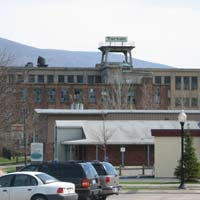
The H.W. Clark Biscuit Co. mill complex, as seen from Ashland Street to the north. (Photo by Glenn Drohan)
NORTH ADAMS — After a land-court battle that lasted nearly five years, the city has quietly taken over the historic H.W. Clark Biscuit Co. mill complex on Ashland Street, following the death of its former owner, William P. Foley, in March.
Mayor John Barrett III said he believes the best use of the mill’s massive, four-story main building, which totals 100,000 square feet, and the connecting 47,000-square-foot building to its north would be for housing. He said he hopes to have them cleaned out and ready to advertise for sale by next spring, pending approval of the City Council.
“We’ve waited a long time for this, but we’ve still got a lot of work to do,†Barrett said. “First we want to see if there’s any contamination, then get it cleaned up and proceed from there. I think it would be ideal for housing — probably it could be condominiums, or artists’ lofts like the ones Eric Rudd is building on Union Street [in the Eclipse Mill]. It’s close to the college, so there are a lot of potential uses for it.â€
Barrett acknowledged the city could have moved more quickly on taking the property for back property taxes but said officials backed off because they knew Foley had been having severe health problems over the past year.
“We waited out of courtesy and understanding. The family was very cooperative in all of this,†he said.
Foley tried unsuccessfully to unseat Barrett in the 1993 mayoral election, running on a platform of turning the city into “the Shangri-La of New England,†by creating, among other things, a gigantic fish farm at the former Sprague Electric Co. on Marshall Street (now the Massachusetts Museum of Contemporary Art).
He bought the two buildings in the complex from MacDonald Properties Inc. for $97,600 in 1997. As part of the deal, he had agreed to pay about $23,000 in back property taxes MacDonald had owed.
However, he later backed out of the deal because he claimed the mill was the headquarters of a church he had founded, the Interfaith Church of Divine Cosmogony. Back taxes in 2001 totaled $43,500, and Foley owed an additional $1,000 in unpaid water bills, according to local records.
The city, charging that the complex was not used as a church, sued Foley in land court in March 1999 and won a decision late the following year to take the property, but he later appealed. The court denied that appeal late last year and granted the city “absolute ownership.†A further appeal was denied.
Barrett said he hopes a developer will come forward to renovate and preserve the mill, much like Boston businessman Michael Capizzi restored the Berkshire Hathaway Mill in Adams more than a decade ago. The price tag for that project was over $5 million.
“It’s part of historic North Adams, a link to our past, and we should do anything we can restore it and find a re-use,†Barrett said of the mill complex. “When you stop and think, Herbert Clark was a major player in this city, both as a civic leader and philanthropist. It would be nice to preserve his legacy with this building.â€
Clark’s company baked biscuits, cookies and other products in the mill from 1907 to 1954 before going out of business. The earliest known use of the mill, which dates back to at least 1888, according to city records, was as the Whitman Canedy & Co. Shoe Factory.
After 1954, the factory played home to a number of businesses, ranging from several warehouse companies to a restaurant and two machine companies. A 20-foot-high sign advertising the Tartan Machine Co. still towers above the main building and is visible throughout the city, even though that business left in the early 1990s. The two buildings have gone mostly unused, except for storage since then.
Along with the two mill buildings, the city acquired the back parking lot, but ownership of the side lot to the north is still tied up in land court. Barrett said he hopes that situation will be resolved soon. Aside from that, he said, the roof will have to be replaced, environmental studies completed and the interior thoroughly cleaned. Some of H.W. Clark’s old ovens are still on the second floor of the three-story main building.
“It’s very large and structurally sound,†Barrett said. “The older section is like a fortress.â€
He said he “fully expects to see it on the market†within the next year or so.
“The city will not just sell it carte blanch,†he cautioned. “We would expect part of the request for proposals would include some sort of housing. I will present it to the City Council at some point in time, as we progress. It’s all speculation right now because we haven’t had a chance to look at it carefully.â€
Barrett said he is also waiting to move on advertising the former Jarisch Paper Box Co. property on nearby American Legion Drive because he believes the economy has not recovered enough to find a willing buyer to create a commercial property there.
“The time isn’t right for that yet,†he said. “But one thing I’ve learned is that things change rather quickly. I would like to see that developed commercially, and I believe it will happen.â€
If you would like to contribute information on this article, contact us at info@iberkshires.com.
Your Comments
iBerkshires.com welcomes critical, respectful dialogue. Name-calling, personal attacks, libel, slander or foul language is not allowed. All comments are reviewed before posting and will be deleted or edited as necessary.
No Comments
Dalton Day Returns This Saturday
By Sabrina DammsiBerkshires Staff
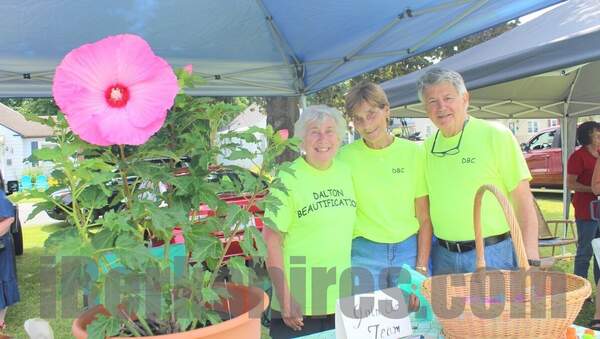
DALTON, Mass. — The town's popular Dalton Day festival is returning this weekend after a year's hiatus.
The event will kick off this Saturday at 11 a.m. and runs until 4 p.m. in the field in front of the Senior Center.
The community celebration was established in 2023 by the Cultural Council in an effort to increase resident participation at town meetings while also showcasing the area's welcoming, diverse, artistic and sporty atmosphere. In 2024, the event brought together 300 residents.
"The primary mission of Dalton Day is to foster a strong sense of community, build civic pride, and bring residents together through a shared celebration of local culture, music, and food," said Jeannie Ingram, Select Board member and cultural council chair, and Lori Venezia, executive assistant to the town manager.
The event provides an accessible and free platform for "civic education, community bonding, and supporting local businesses, artisans, makers, and culture more broadly," they said.
The festival strengthens the fabric of the town both civically and economically by connecting grassroots organizations with residents, fostering a shared sense of belonging, and providing free, family-friendly entertainment.
It also serves as an opportunity for community members to meet with local officials and a couple of state officials. State Sen. Paul Mark and state Rep. Leigh Davis will be coming from Beacon Hill to speak at the event.
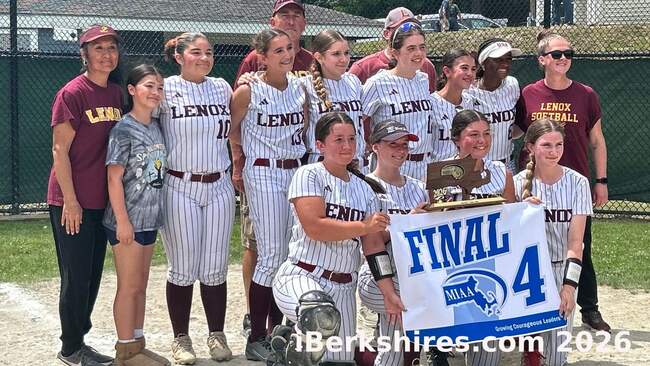
Cassidy Flynn scattered five hits in a complete-game effort in the circle as Lenox upset top-seeded Hoosac Valley, 3-2, in the quarter-finals of the Division 5 State Tournament. click for more
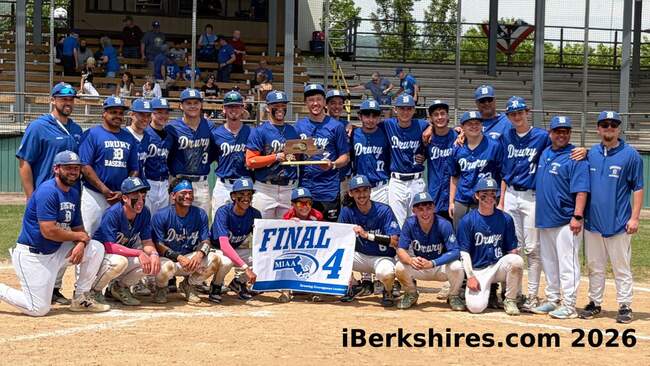
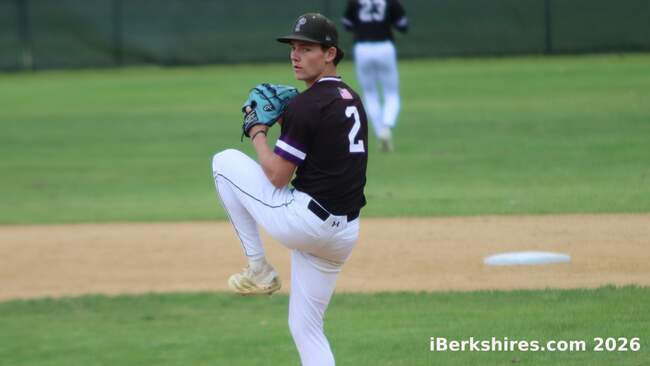
Brayden Durant struck out seven and walked one in a complete-game effort on the mound Saturday to pitch the Drury baseball team to a 6-0 win over Keefe Tech in the quarter-finals of the Division 5 State Tournament at Joe Wolfe Field. click for more
Jason Codey struck out 13, walked two and allowed just an infield single as the Generals earned a 7-1 win over Wahconah to claim their third straight regional title. click for more
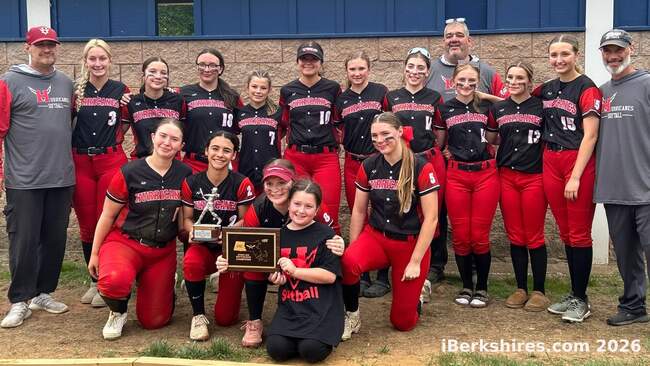
Gracelyn Wright struck out eight, and Genevieve Lagess went 3-for-5 with four runs batted in as the Hurricanes beat Monson, 17-3, to claim their first Western Mass title in four years. click for more