Pick of the Week: Saro Tribastone
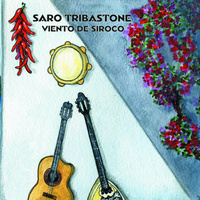 |
Italian-born Saro Tribastone was given the gift of a guitar when he was 6 years old. From that moment in time, Tribastone fell under its spell and has turned a lifelong passion into music to share with the world.
He has composed many soundtracks for documentaries and television over the years and now has two studio albums to his credit, the four-track EP "Fanusa" (2006) and the full-length instrumental world collection titled "Viento De Siroco," which just came out this month.
Tribastone plays the flamenco guitar, tzouras, beating guitar and mandolin while also handling the percussions. His playing is warm and inviting, all the while exhibiting fluidity and becoming one with every instrument at his disposal. I realize how difficult that this must be to master, particularly with several different instruments. Another level of difficulty that should be recognized is the artists' ability to transcend any and all barriers while delivering a taste and flavor of his own heritage and place of residence.
He is joined by Francesco D'Amico on acoustic and electric bass; Fulvio Farkas on tablas, udu drum, bombo, bendir; Francesca Guccione on violin; Giorgio Rizzo on cajon and Giorgio Cannizzaro on accordion.
You leave this experience feeling as if you just visited the Mediterranean and had a walk along the beach, and you can almost feel that warm pleasure of the breeze coming off the sea waves. Obviously, this is what Saro wants you to feel while conveying his feelings and thoughts through his music.
I enjoyed all 10 tracks offered up on the recording; each one owns a personality unique to the story it tells. I can understand why this talented gentleman has been able to apply his talents to developing documentaries for television soundtracks; it's an obvious choice for anyone in the industry to look very long and hard at what he has to offer.
This music is very absorbing and for this listener it hit home on a very relaxing and spiritually invigorating level. I felt drawn instantly to the sound Saro creates and found myself listening to it over and over.
"Viento De Siroco" is a superb effort that deserves an ear for a while from any music fan open to catchy instrumental sounds. And if you happen to be intrigued by a musician from another time and place then this album is worth visiting frequently.
To enrich your listening experience we have provided an interesting overview from the artist of how the songs took shape and what the title of each track means:
The CD title is regarding a hot wind blowing from Africa, which you can see in action here. I refer to this wind because it represents a mood that is very Mediterranean and Sicilian, which is represented in all the tracks of the CD.
1. Noche en Ortigia
Ortigia is an island that is an old and lovely part of a bigger and ancient city, Siracusa, in Sicily; it refers to a night spent with friends walking and talking between the little streets of the old town, relaxing.
2. Seis is a Portuguese word, think of Portuguese mood.
3. Marzamemi is a little town in Sicily. The track refers to a somewhat languid mood experienced there.
4. Rumbita is a Spanish word; a little rumba, the Spanish. As a contrast here I do not play flamenco guitar, but the tzouras, which is a Greek instrument, the smaller version of the bouzouki, which has six strings instead of eight, created by Greek seasonal workers take it with them on their travels.
5. Sabucina is a sacred mountain in the center of Sicily, just a suggestion toward a less-known part of Sicily and the Sicilian soul.
6. Gaddimeli is a land near the sea, in the country near a big tourist town. I thought of it because there are some little roads crossing there, it's the kind of beautiful and relaxed place that we cross when in the car, going from one place to another, without stopping or thinking to it, a bit like in life when we work too much and don't live for the beautiful things of life.
7. Taqsim de Ferla; Taqsim is an Arabian word to indicate a musical improvisation, Ferla is a little town between the mountains in Sicily
8. Libertad means freedom. I wrote it after the new Iranian revolution and the killing of Neda, the young girl, and other young boys and girls that live there. It refers to the search of freedom.
9: Taqsim de Cirica is another improvisation inspired by a beach here, whose name is Cirica.
10. Egeum is the name of the sea, as an old book says is "a part of the Mediterranean Sea, near Greece, dividing Europe from Asia." I thought about the Egeum Sea as an idea to finish this CD as a journey and then start a new one.
Keith "MuzikMan" Hannaleck offers up weekly music picks for iBerkshires. Find more reviews at muzikreviews.com and contact at info@muzikreviews.com.
|
|
|
|||||||||||||||||||||
| Genre: World Label: Independent Web site Buy Link |