Pittsfield Officials Optimistic After Manufacturer Visits
By Joe DurwinPittsfield Correspondent
Print Story | Email Story
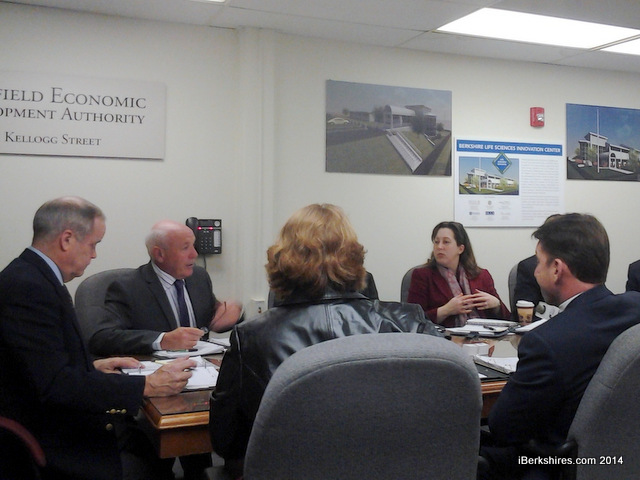
PEDA members say several potential rail-car manufacturers have toured sites in Pittsfield.
PITTSFIELD, Mass. — About half the prospective bidders for a lucrative MBTA rail-car construction contract have toured local sites in seeking a base for potential operations, and growing confidence was expressed at a meeting of the Pittsfield Economic Development Authority.
 
In addition to the possibility of locating the site of a new subway car assembly plant, which under terms of the bid will necessitate a new facility built somewhere in Massachusetts, economic development officials say the MBTA contract is likely to yield a trickle down of benefits to existing local industry even if the final assembly jobs don't land here.
 
PEDA board member Douglas Crane on Wednesday reported favorable feedback thus far from potential companies, including one in town this week he described as one of the largest rail car manufacturers in the world. 
 
"What I heard from them is that our group here is hands down out in front of the rest of the communities in Massachusetts in being proactive and helpful to them," said Crane. "In fact they said they've never seen anything like it, and they were very impressed."
 
Four of the eight or nine companies expected to bid for the state job have toured sites including the William Stanley Business Park that PEDA oversees, and all but two have engaged in discussions with PEDA at some level.
 
"One of the things they really appreciated was our outreach to manufacturers in the community here," said Crane, referring to recent networking efforts by PEDA and 1Berkshire to engage with area businesses that could potentially provide supplies or services to a rail car manufacturer for this project. "No other community is doing that."
 
Additionally sweetening the pot is $2 million in incentive funding to build at William Stanley, half from PEDA, and another million approved Tuesday night by the City Council from remaining Pittsfield Economic Development Fund left by General Electric following its Consent Decree with the city. 
 
PEDA Executive Director Corydon Thurston said a side aspect of current marketing efforts is outreach to other companies that manufacture related parts and products that may be looking for sites in Massachusetts in order to be closer to wherever the eventual final production takes place.  
 
"So we're not only reaching out to those that might bid on the big job, we're now marketing to everybody that we've identified as part of the supply chain that has taken an interest in this contract," Thurston told the board.
 
The city's economic disadvantages may also improve its chances of being a site for a successful bid, according to Mayor Daniel Bianchi.
 
"They will recognize or weigh what the impact will be on the local economy," said Bianchi of the state transportation officials evaluating bids. "Since our unemployment numbers are a little bit higher here in Berkshire County, that's going to weigh to our advantage."
 
"We also have recognition from state officials that we're working diligently and in unison on this," added Bianchi, who said that he is committed to working with Berkshire delegates to the Legislature to keep Boston decision makers aware of these efforts.


Tags: manufacturing,   PEDA,   rail,   
If you would like to contribute information on this article, contact us at info@iberkshires.com.

Social Service Organizations Highlight Challenges, Successes at Poverty Talk

By Brittany PolitoiBerkshires Staff

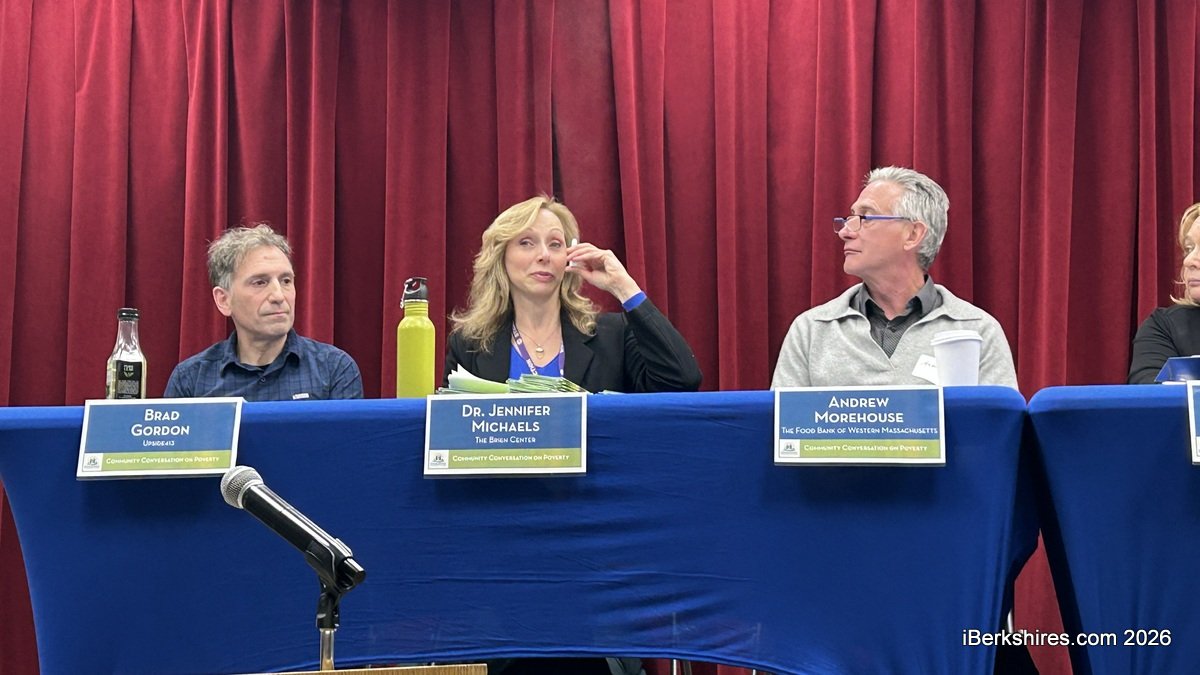
Dr. Jennifer Michaels of the Brien Center demonstrates how to use Narcan. Easy access to the drug has cut overdose deaths in the county by nearly half. 

PITTSFIELD, Mass. — Recent actions at the federal level are making it harder for people to climb out of poverty.

Brad Gordon, executive director of Upside413, said he felt like he was doing a disservice by not recognizing national challenges and how they draw a direct line from choices being made by the Trump administration and the challenges the United States is facing. 

"They more generally impact people's ability to work their way out of poverty, and that's really, that's really the overarching dynamic," he said. 

"Poverty is incredibly corrosive, and it impacts all the topics that we'll talk about today." 

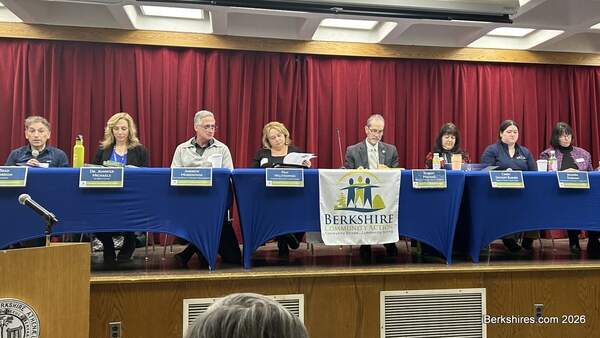
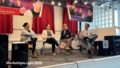
His comments came during a conversation on poverty hosted by Berkshire Community Action Council. Eight local service agency leaders detailed how they are supporting people during the current housing and affordability crisis, and the Berkshire state delegation spoke to their own efforts.

The event held on March 27 at the Berkshire Athenaeum included a working lunch and encouraged public feedback. 

"All of this information that we're going to gather today from both you and the panelists is going to drive our next three-year strategic plan," explained Deborah Leonczyk, BCAC's executive director. 

The conversation ranged from health care and housing production to financial literacy and child care.  Participating agencies included Upside 413, The Brien Center, The Food Bank of Western Massachusetts, MassHire Berkshire Career Center, Berkshire Regional Transit Authority, Greylock Federal Credit Union, Massachusetts College of Liberal Arts, and Child Care of the Berkshires. 

The federal choices Gordon spoke about included allocating $140 billion for the U.S. Immigration and Customs Enforcement, investing $38 billion to convert warehouses into detention centers, cutting $1 trillion from Medicaid over 10 years, a proposed 50 percent increase in the defense budget, and cutting federal funding for supportive housing programs. 

Gordon pointed to past comments about how the region can't build its way out of the housing crisis because of money. He withdrew that statement, explaining, "You know what? That's bullshit, actually."

"I'm going to be honest with you, that is absolute bullshit. I have just observed over the last year or so how we're spending our money and the amount of money that we're spending on the federal side, and I'm no longer saying in good conscience that we can't build our way out of this," he said. 

Upside 413 provided a "Housing Demand in Western Massachusetts" report that was done in collaboration with the University of Massachusetts at Amherst's Donahue Institute of Economic and Public Policy Research. It states that around 23,400 units are needed to meet current housing demand in Western Mass; 1,900 in Berkshire County in 2025. 

View Full Story

More Pittsfield Stories