Clark Art Playing Host to 800-Year-Old Magna Carta
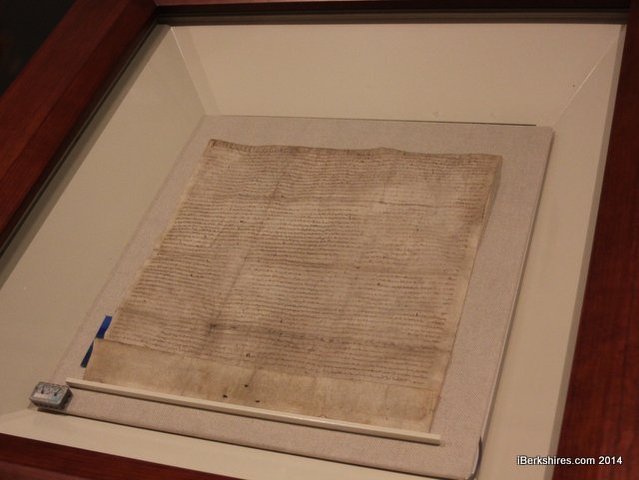
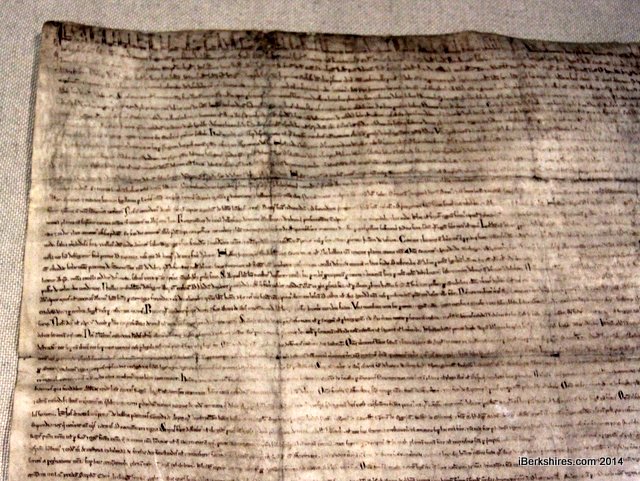 An original 1215 Magna Carta is on display at the Sterling and Francine Clark Art Institute through Nov. 2. An original 1215 Magna Carta is on display at the Sterling and Francine Clark Art Institute through Nov. 2. |
WILLIAMSTOWN, Mass. — The nation's founding documents are being overshadowed by a far older declaration of rights.
The Magna Carta, dating to 1215, is on view at the Clark Art Institute until traveling to the Library of Congress in November.
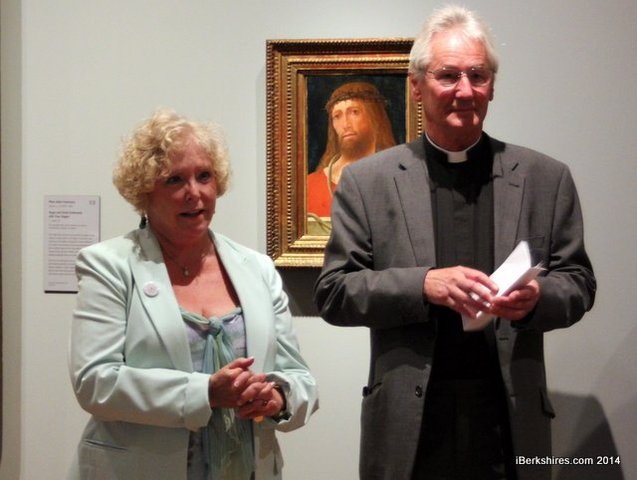
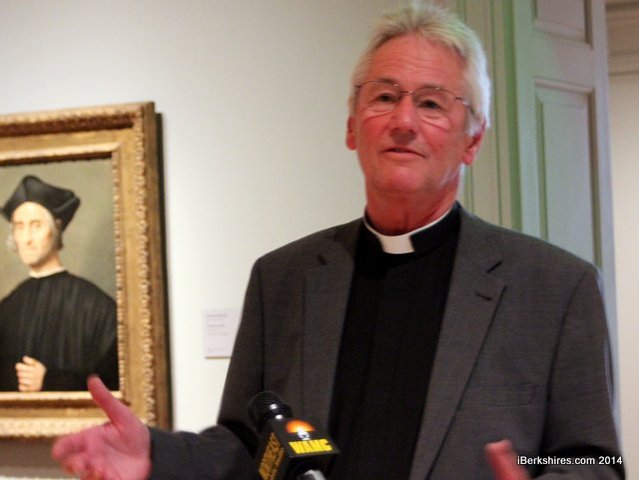
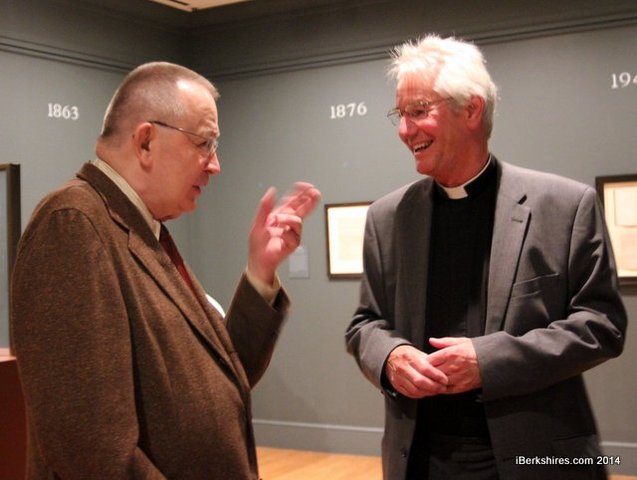
"It's been called the birth certificate of democracy," said the Very Rev. Philip Buckler, dean of Lincoln, where this rare version of the "Great Charter" resides.
The charter, forced upon King John by his nobles, outlines some of the enduring cornerstones of democracy — freedom of religion, due process and justice that can't be sold.
"You can see how relevant Magna Carta is," he said.
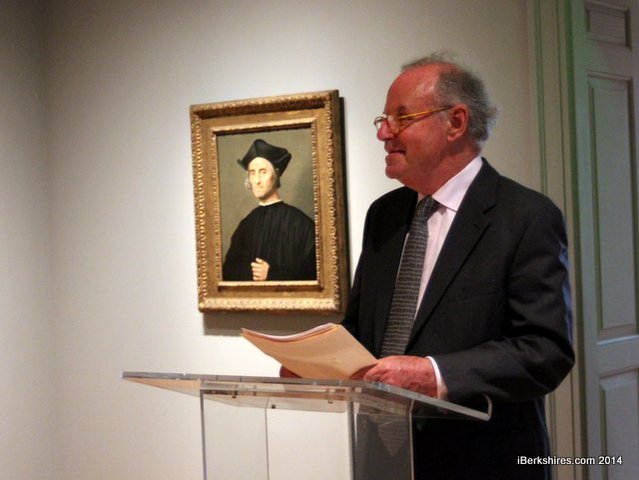
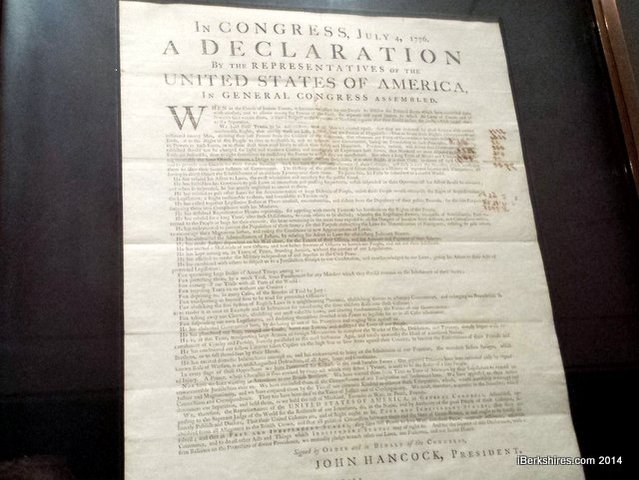
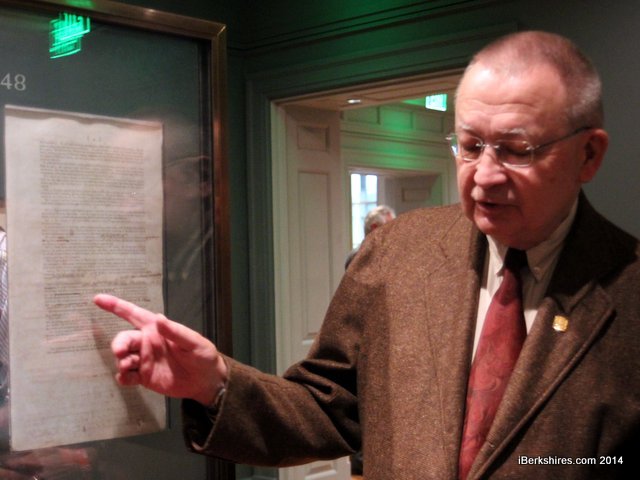
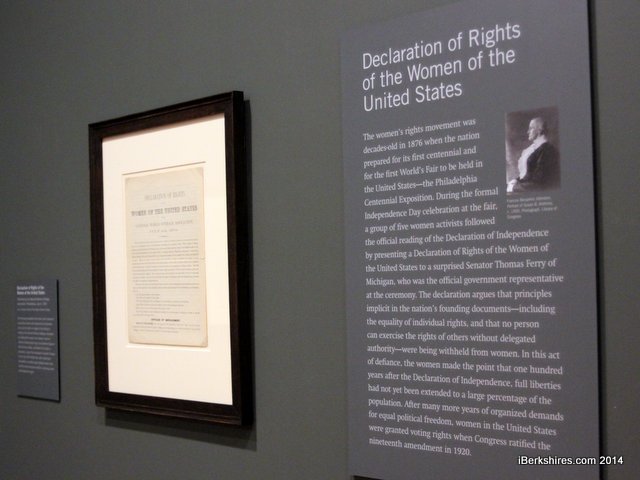
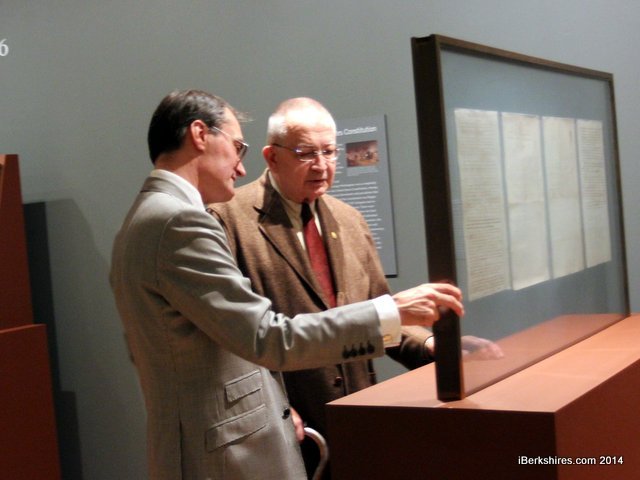
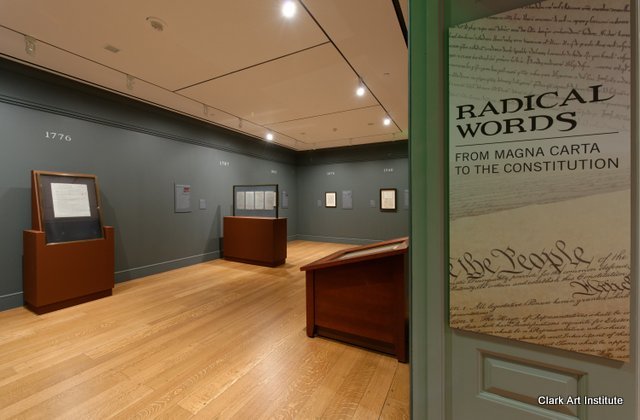
Buckler spoke at a preview of the exhibit "Radical Words: From the Magna Carta to the Constitution," which includes documents from Williams College's Chapin Library of Rare Books.
Taken together, the documents show the path of American democracy from its roots in the Magna Carta. Some 561 years later, another bunch of radicals laid their own demands upon the king in the Declaration of Independence, codified the rights of men and responsibilities of government in the Constitution, declared all men equal in the Emancipation Proclamation, set out the rights of women and, finally, proclaimed a global goal of human rights through the United Nations.
"But this century, the key thing that Magna Carta says is nobody, not even the king, is above the rule of law," Buckler said. "That is the key thing of Magna Carta that has stayed down the centuries — the rule of law is there and nobody is above it."
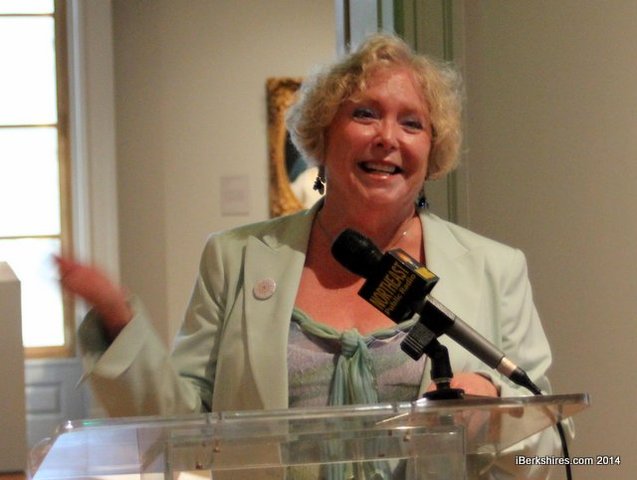
State Rep. Corey Atkins, D-Concord, House chairman of the Joint Committee on Tourism, Arts and Cultural Development, began working on bringing the document to Massachusetts almost immediately on being named chair.
Massachusetts Cultural Council Executive Director Anita Walker suggested the Clark as a possible location.
"We just wanted to share this with as much of Massachusetts as we could," said Atkins. "What made me so proud is how I had the best museums right at my fingertips."
Atkins pointed out the Mayflower Compact and the charter for the Massachusetts Bay Colony also had their roots in the Great Charter.
"We in America are known as the great experimenters, we have taken a concept to its absolute heights," she said.
Clark Executive Director Michael Conforti described Atkins as the "fairy angel" of bringing the historic document to Western Massachusetts and the newly renovated Clark.
"At the close of this season, we can actually open another season with what is the greatest object, archival object, we could ever imagine," he said.
Tightly lettered in Latin, scribes penned copies of the lengthy document on parchment for dispersal. Among the witnesses was Hugh de Wells, Bishop of Lincoln; a copy was sent to Lincoln Cathedral — the address "Lincolnia" is written on the back.
The Lincoln Magna Carta is one of only four surviving copies from 1215; one is in Salisbury and two others, one badly burned, are held at the British Library.
The document is displayed in a traveling case that maintains a set temperature and humidity. Once it returns to Lincoln Castle, it will be installed in a new £22 million vault.
It wasn't always so carefully preserved. Many of the other charters were tossed after King John annulled the agreement. A year later, his heir reissued the charter, and again a year later; a further one was issued on 1297, a copy of which resides at the National Archives.
In the early part of the 19th century, a clerk doing inventory found the Magna Carta.
"We kept the document not knowing we'd got it," said Buckler.
Joking that Chris Woods, director of the National Conservation Service who accompanied the charter, knows how to preserve it, Buckler said, "he also knows that I believe the best method is to put something in a drawer for 600 years, forget about it and it will look after itself."
After six centuries in a dusty drawer, the parchment's become something of a traveler. It was brought to the 1939 World's Fair in New York and then stored in Fort Knox with the Declaration and Constitution during World War II. It's been back to the United States since, more frequently since Buckler took his post in 2006.
This trip, it was displayed at the Museum of Fine Arts in Boston before heading to Williamstown. Then it goes to Washington after an absence of 75 years before returning to England to meet its "siblings" for an 800th anniversary on June 15, 2015.
"When you look back at Magna Carta you see the remarkable beautiful script, the taut writing of the early 13th century in itself a work of art," said Buckler. "Of course, it also contains the beauty of belief and the beauty of ideas ... ideas and beliefs that have influenced the world, the Western world, over these past 800 years."
"Radical Words" is on display until Nov. 2.
Tags: Clark Art, Founding Documents, historical documents, Williams College,