Williamstown Economic Development Committee Submits Final Report
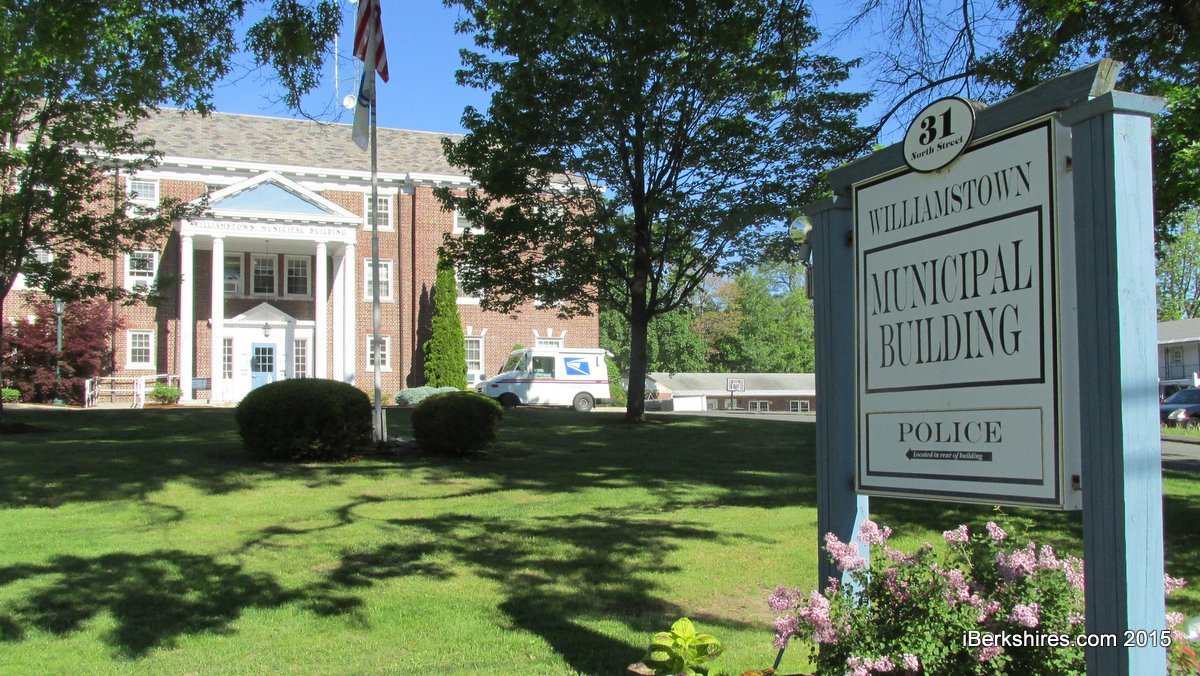
WILLIAMSTOWN, Mass. — The Economic Development Committee on Monday presented its final report to the Board of Selectmen.
Chairman Jeffrey Thomas explained that while the full document contains more than 50 potential action items for the town, his committee came up with six core recommendations after its yearlong study.
The panel is recommending the town focus on continuing its investment in education, increasing the availability of moderately priced housing, marketing the town, increasing participation in regional economic development efforts, streamlining Town Hall processes and growing the town's population.
"The good news is, if we do one through five, six gets a lot easier," Thomas said. "Better schools, moderately priced housing, more businesses, more jobs are all things to help make Williamstown more attractive to young people and young families."
Thomas described the committee's approach to the task the board gave it when it created the ad hoc group. He emphasized the numerous opportunities for public input, which included a townwide survey, four different public forums, twice monthly public meetings of the full committee and a 3 1/2 week comment period after the publication of a draft report.
"Our recommendations are grounded in the community's perspective and values," Thomas said. "That was really, really important to us, to deliver recommendations that are going to be supported by the community.
"Second, these recommendations are supported by a lot of data and a ton of research. Third, these recommendations have been vetted by a public review process.
"So you should be good to go."
By design, the Economic Development Committee was dissolved on Monday night after the delivery of its findings. Now it is the job of the Board of Selectmen, town staff and other town committees to implement the committee's recommendations.
"It's important that the responsibility for implementing these recommendations be clear," Thomas said. "You need to put people on the hook for doing these things. There needs to be a plan to follow up to ensure these recommendations are being realized.
"We feel it's important the select board is committed to providing leadership on these projects. Stay the course."
Thomas elaborated on each of the group's core findings.
"It's imperative that we have high quality public schools," he said of the first goal. "This is a critical piece of our town's economy. ... Our schools are a key part of our economy. They are a reason for people to live here."
The town needs to create housing opportunities for new residents who want to come to town, the EDC concluded. The panel believes there is a shortage of housing stock in the low- to moderate-priced range and recommended the town do a housing study to build on the study conducted two years ago on behalf of the town's Affordable Housing Committee, which was more focused on the need for subsidized housing.
On the marketing front, the committee recommends the town do a better job selling itself not only to visitors — a nod to the critically important tourist trade — but to businesses and prospective residents.
And the committee recommends that the town not go it alone.
"We've learned that regional groups, regional cooperative groups are better than individual towns at addressing issues like workforce needs and aligning the workforce, energy costs and business recruitment and retention," Thomas said. "It's a difficult thing to recruit a new business to a small town. But if we join forces and say, 'A new business in North Adams is going to impact all of our communities,' that's a good thing."
The committee feels there may be potential to make it easier for entrepreneurs to navigate some of the red tape that goes along with operating a business.
"We want to ask Town Hall, town boards and committees and the select board to identify and reduce barriers to commercial development here and also to do what we can as a town government to better support businesses who want to start here, relocate here and grow here," Thomas said.
The Board of Selectmen thanked the committee members for the long hours they invested in the report and promised to get started on implementation right away. Selectman Andrew Hogeland, a member of the committee and one of people who spearheaded the project, asked that the Selectmen schedule a retreat in early January to go over the report and next steps.
The other selectman who served on the committee emphasized that the report is centered on concrete steps the town can implement and tends to avoid "magical thinking," like the concept that the town's economic woes would be addressed if "Williams College would just do more."
"The next big thing is a thousand little things," Hugh Daley said. "We've got to do a lot of little things to make this work."
In other business on Monday, the Board of Selectmen approved an increased propane tank to replace a couple of smaller tanks at the 1896 House on Cold Spring Road (Route 7) and approved a license for Pelty's Pizza in the Colonial Plaza.
Restaurateur Steve Pelletier explained that he now owns the former Colonial Pizza, which he operated and leased from the former owner before a tax proceeding forced the restaurant's closure. Pelletier said he plans to open in January and offer live music at the site along with an expanded menu that still features the pizza, pasta, salads and grinders for which Colonial Pizza was known.
The Board of Selectmen also got some good news from Town Manager Jason Hoch about the status of the Spruces Mobile Home Park closure.
"All families remaining [in the park] have identified their future housing," Hoch said.
Hoch credited his administrative assistant, Debra Turnbull, with helping the remaining residents navigate the process of arranging for compensation from the federal hazard mitigation grant that is funding the park's closure and finding new living arrangements.
"I'm happy to report they've all been able to find good alternatives and good housing options," Turnbull told the board.
Tags: economic development, economic report,