MassWildlife: Wood is good
BOSTON — A fallen tree might snag your fishing line, slow your paddle, or look like something that needs to be cleared away. But beneath the surface, that same tree could be providing food, shelter, and critical habitat for fish and countless other aquatic organisms.
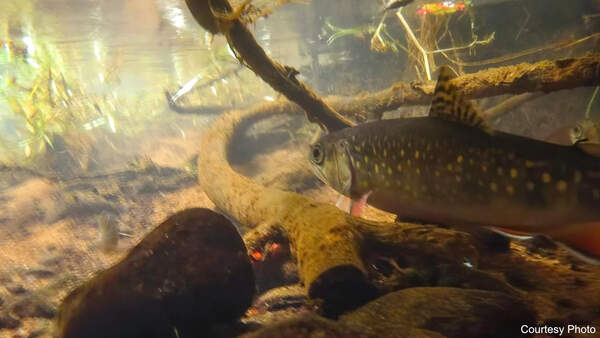
Known as large woody material, fallen tree trunks and branches play an important role in keeping streams, rivers, and ponds healthy. They create hiding places for fish, support the aquatic food web, shape stream channels, and even help waterways withstand drought. For wild trout and other fish, wood can mean the difference between simply surviving and thriving.
Wood you believe it?
Trees alongside a pond or river help shade a waterbody and moderate water temperatures. But it's large wood in the form of fallen tree trunks and branches that is of particular importance to fish and, therefore, anglers. Organic matter trapped by woody material in streams and ponds provides nutrients and a food source for algae, plants, aquatic invertebrates, and a host of microscopic organisms at the base of the aquatic food chain.
When a tree falls into a waterbody it offers instant habitat and cover for many species, including trout and largemouth bass. Many aquatic invertebrates rely on woody structure for different stages of their lifecycle as a source of nutrients and shelter. For example, aquatic invertebrates like caddisflies attach to instream wood and other hard surfaces in their aquatic juvenile stage before they transform to their terrestrial adult life stage. Freshwater mussels reside under and around wood in rivers, streams, and ponds. Anglers like to seek out downed trees where forage fish species hide and predators like largemouth bass seek cover to ambush prey.
Downed trees aid in the formation of stream ecosystems because they can narrow the channel and create a diversity of habitats. They increase the flow in certain areas to create riffles and slow the flow in others to create pools with little current where fish lie in wait for food to drift by. Dissolved oxygen increases as water moves over and around woody material. Downed trees also help to decrease stream bank erosion by slowing strong rushes of water during heavy rain events.
Benefits to wild trout
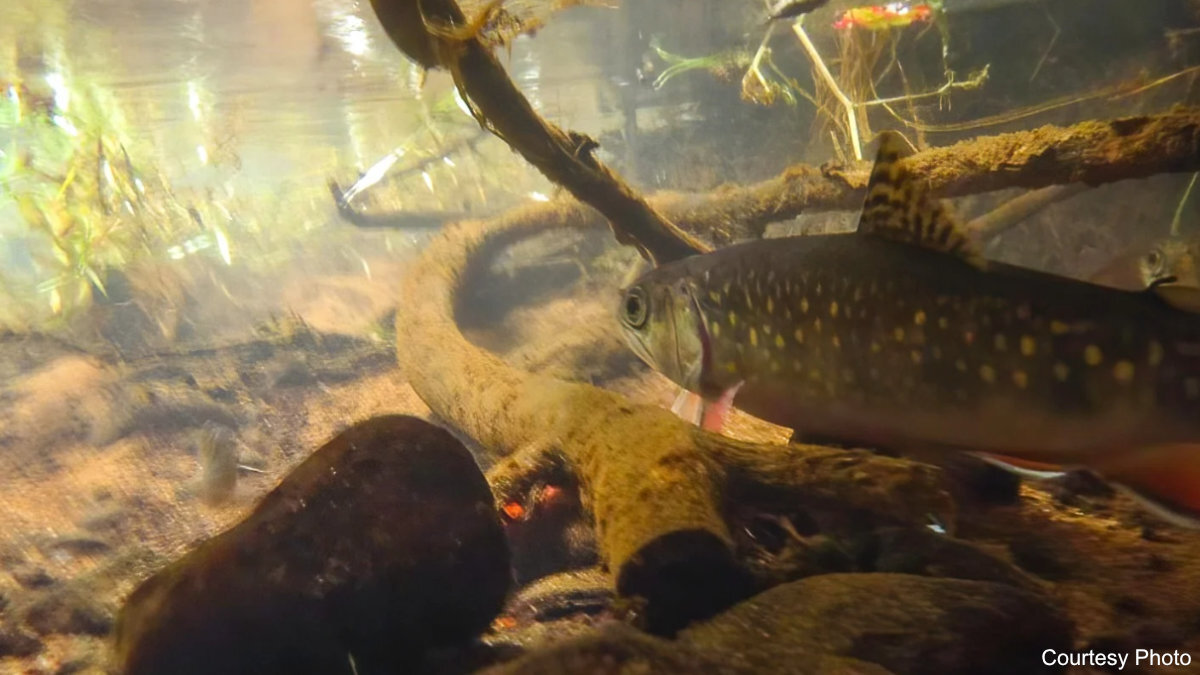
Large wood is particularly important in wild brook trout streams, where it provides brook trout with important cover against predators like kingfishers, great blue herons, and river otters. Trout are often found close to wood, boulders, and other large objects in a behavior called thigmotaxis, which in this case means that they feel safer when closer to objects. The more complex the wood is in terms of branches the more fish are attracted because it offers many more hiding places. A study in northern Vermont found that water temperature and large woody material were two of the most important limiting factors for brook trout streams. The number of brook trout approximately tripled at sites following the addition of large woody material.
Decreasing drought impact
Over the past several years, many areas of Massachusetts have experienced various levels of drought. In addition to the benefits already outlined, waterways with large woody fragments make streams more resilient to the impacts of drought. Many streams have been channelized or simplified so they run straight. During extended dry periods, these streams tend to dry up more completely. Woody habitat provides shade to reduce stream temperature and also increases stream channel complexity. Water flowing in a more complex stream encounters lumps, bumps, and crags of woody habitat and is pushed left, right, up, and down. These changes in flow make eddies and scouring currents that create pools and undercut banks. These habitat features are very important for climate resilience since deeper pools are more likely to hold water and maintain closer contact with cold groundwater. These factors help keep fish alive during the doldrums of drought.
Do your part: Don't remove wood!
The benefits of downed trees and branches to waterbodies and aquatic ecosystems is difficult to overstate. So, even if downed trees can snag the occasional lure or make canoe or kayak passage a bit more difficult, anglers and paddlers should recognize the importance of wood and leave it in place. Help spread the word that wood is good!
A version of this article appeared in Massachusetts Wildlife magazine's special Fisheries and Aquatics Issue in 2022.
Tags: MassWildlife, trees,