Williamstown's Harrison Gallery Closing Wednesday
WILLIAMSTOWN, Mass. — Owner Jo Ellen Harrison says now is the time to celebrate 15 years of success at the Harrison Gallery — even as it counts down the days until its Wednesday closing.
"I've had my dream job for 15 years," Harrison said last week while surveying the dwindling inventory of paintings and sculptures. "Anyone who can do that in their lifetime, that's pretty cool.
"I have had a number of emotions the last two months. Regret has not been one of them. We've made fabulous connections and friends. Watching a visitor fall in love with a piece of art is like magic. It's so much fun."
Harrison began informing her client base in early October that the fun was coming to an end and the gallery's days were numbered.
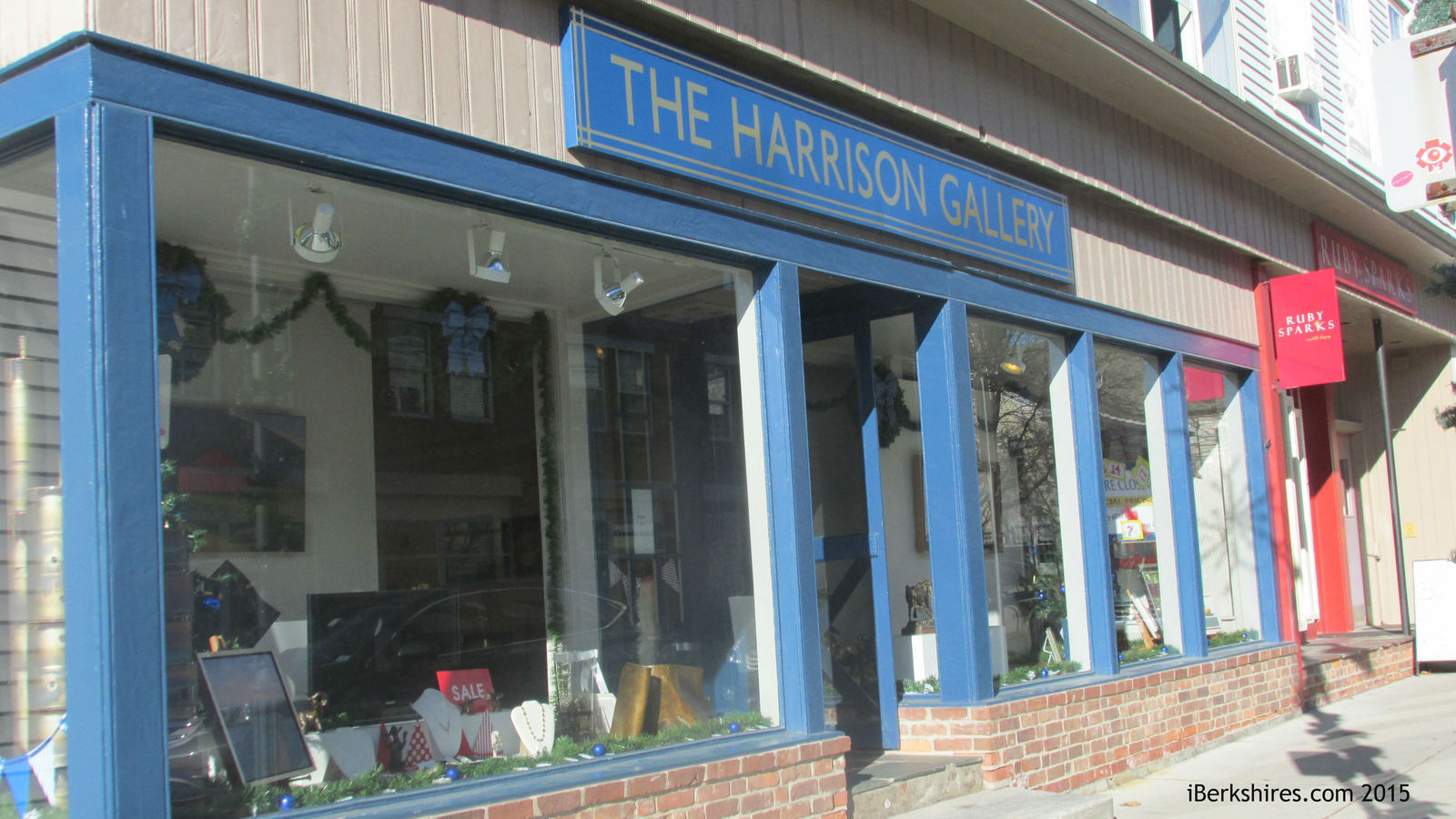
Today, those numbers are being tracked by a sign in the Spring Street venue's front window.
Harrison said patrons have been taking advantage of the special going-out-of-business pricing, but they had better act fast.
"The paintings that remain go back to the artist and return to retail price," Harrison said on Wednesday, Dec. 16. "There are seven days left for people to buy at a discount. We're open MOnday and Tuesday. We'll be open every day until the 23rd and close on the 23rd, our last day, at 4 p.m."
And then, Harrison is telling anyone who asks, it's time for a vacation from that dream job.
She does not have any plans beyond the final cleanup in January to make for the new occupant of 39 Spring St., Water Street vendor Amy's Cottage.
"I am not sure what I'm doing next," Harrison said. "This is going to be a hard act to follow. But I need to be employed, so I'll find something."
More than a decade ago, Harrison gave up a career in the corporate world to return to Williamstown, where she earned a degree in art history and studio art at Williams College.
She left software business and opened her gallery in May 2001.
Since that time, she has seen the art industry itself change in ways that make it difficult for any gallery — large or small — to survive.
"The structure was breaking down, and I didn't want to invest any more money," Harrison said of the art industry.
"It used to be that the gallery's role was to connect the artist to the client. Now, there are a number of different avenues that do that: art fairs, online auctions, art consultants are now very groovy — like an interior designer for art — and artists maintaining their own websites. None of those have a brick and mortar overhead.
"There is more competition for the same dollar."
Making matters worse: Fewer dollars are being spent on works of art.
"A lot of people think this is an issue of waiting out the recovery of our economy, but it's not," Harrison said. "It's the structure of the art industry.
"It's also generational. I have children ages 28 to 36. They don't care about objects or collecting things. They're more interested in experiences. I think the same thing is happening in the antiques industry."
If there ever was a time for an art gallery to thrive in Williamstown, it might have been the summer of 2015, when the Clark Art Institute's Van Gogh show drew crowds like never before. That the Harrison Gallery is closing three months later reinforces Harrison's point about the changing nature of the industry.
"It was telling that while the Clark had a banner year, our revenues and visitorship dropped," she said. "I think what's happening ... is we have a cultural tourist, and everybody's competing for the day of the cultural tourist.
"The Clark is succeeding. I went to the Van Gogh exhibition, and I wanted to hang out in the chairs. I went and got a salad. You spend the day there. But everyone's competing for the four hours that somebody is here."
The seasonal nature of the region's tourist trade means that even if the gallery could capture more visitors, it still needs local dollars. And those, too, are declining.
"We've saturated the local market," Harrison said. "We have beautiful collections in the Berkshires that were built from the Harrison Gallery. You just need to see new people."
There is hope of bringing more new people to Spring Street down the road. Williams College is talking about putting a new Williams Inn on the street, and the town plans to extend Walden Street from the Village Business District to South Street, home of the Clark.
"Maybe if they were already in place, it could have made a difference," Harrison said. "I am not willing to wait for Williams College. The inn, which I think would be a fabulous addition to Spring Street, if they had a positive decision today, it's at least four and a half years out.
"The idea would be that you're getting new, expendable dollars on the street."
Harrison still will maintain a presence on Spring Street. Her clothing store, Ruby Sparks, which opened in 2011, is going strong because it has a broader appeal to the year-round resident of the region.
Many of those locals joined Harrison Gallery devotees from well beyond the region at a Dec. 12 party to celebrate the gallery's run on Spring Street.
"It was fabulous," Harrison said. "We must have had 300 people here. People flew up from Florida, Virginia, Maine. We had people from everywhere. It was fantastic. Along with half of Williamstown — those collectors I was mentioning. It was a wonderful finale."
Tags: art gallery, closing, spring street,