Clear Vision Sought for Pittsfield Conservation Lands
PITTSFIELD, Mass. — Local conservation officials may have to make some tough choices in the future to preserve some of the most pristine wetlands and critical ecologies on public lands, according to emerging findings from a study being conducted of four city conservation properties.
Striking a balance between the conservation priorities that distinguishes these from city parks, and the park-like forms of recreation that often take place at them, was a key recurring theme as student consultants from the Conway School of Landscape and Design presented some initial conclusions from their three-month planning study.
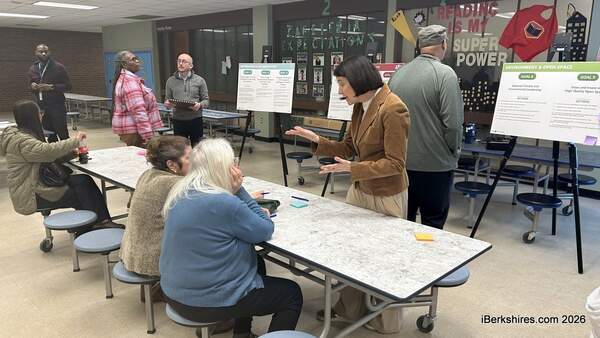
"What we're really trying to do is develop a plan for how we move forward with these properties over the next decades — how we use them, manage them responsibly as good stewards, and properly provide for the community's activities within them," Parks & Natural Resources Manager James McGrath said at a preliminary presentation to the Conservation Commission and public last week.
Students Miranda Feldmann and Corrin Meise-Munn, from the Conway School of Landscape Design, said they are now at the two-thirds stage in their process, having generated some broad recommendations but not yet honing in on more specific advice for the four properties: Wild Acres, Brattle Brook Park, Barkerville and Tierney Conservation Area.
About 20 percent of Pittsfield's 40 square miles consists of land that is in some way preserved in perpetuity, as park, conservation, or other protected land. Preserving the integrity of this landscape is important because the rich alkaline soils there have lead to rich biodiversity across much of its undeveloped country. In total, about 1/3 of Pittsfield's acreage is designated as being critical habitat to "species of concern," species that are either locally or globally rare, threatened, or endangered.
"Proper planning will be necessary to retain the character of this city and to connect it's open space with recreational space and natural resources throughout the wider region," said Meise-Munn.
That planning will naturally vary between these four conservation properties, she said, because of the differences between the different parcels.
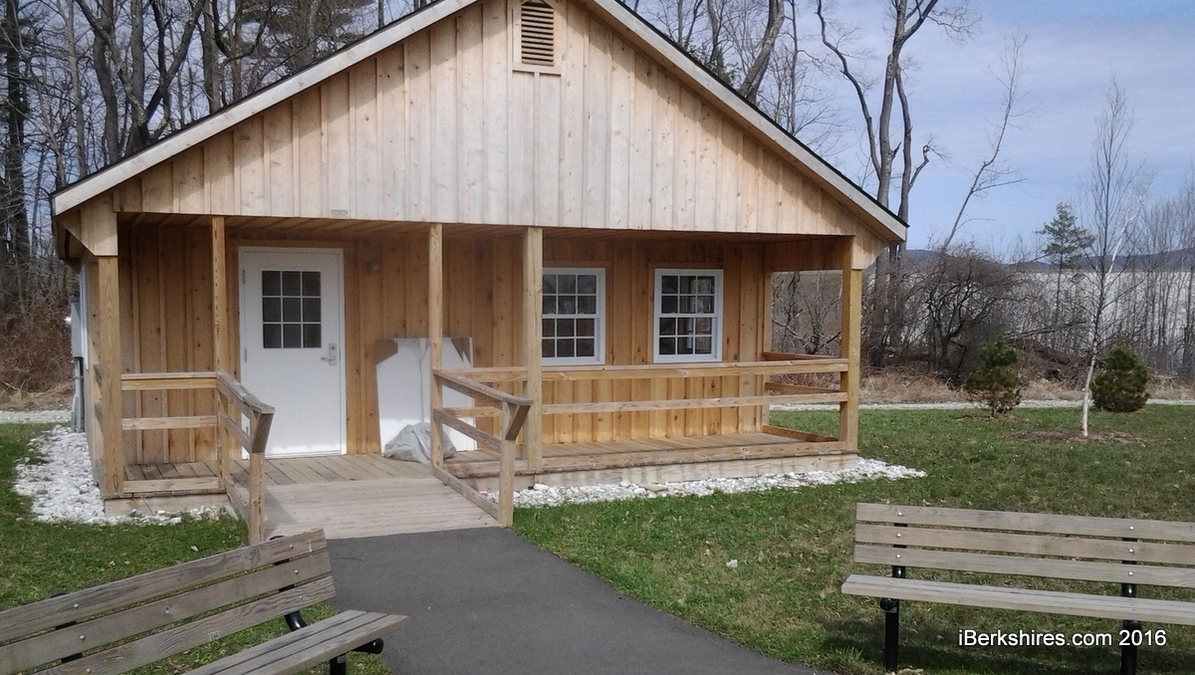
Wild Acres, for instance, has more of a long established history of recreational usage than the others, and is unique as the only one with developed features, including a variety of structures that have fallen victim to bouts of vandalism in recent years.
Even more well intentioned use of the property can have a high imprint, though, they warned.
"Longtime visitors tend to treat the property like it's their home, and it's possible, maybe, to 'love it to death,' " said Feldman, who noted that in one case a resident had buried their dog on the much-beloved land.
"The Conservation Commission — and the community at large — will have to prioritize either social tradition and recreation, or ecological health, in Wild Acres' management," Feldman concluded.
At Brattlebrook, nature and human usage have also clashed at times, though in different ways. Traffic has been a perennial issue there, as Longview Terrace, which runs through the property, has long been utilized as a shortcut through the neighborhood spanning Newell Street to the lower Elm Street area. All-terrain vehicle usage, partying and PCB (polychlorinated biphenyl) contamination have also marred the property at times.
"Brattlebrook Park suffers from a lack of clear vision for its use," Meise-Munn suggested, noting for instance the unmaintained playing fields found there, a feature she said seems at odds with the priorities they've heard in public input gathered thus far.
"Many people in the community, and the Conservation Commission itself, feel that conservation property should be used for passive recreation only," she added. "In order to move forward, Brattlebrook's management plan will have to balance neighborhood uses with conservation priorities."
"Ultimately, what we heard from the community is that they want to maintain and enhance these natural assets, Feldman said of the public input process, which included a previous meeting on February 4 and an online survey, for which they are still accepting responses through March 14.
The completed planning study will be provided to the Conservation Commission in April.
Tags: conserved land, feasibility study, parks & rec, public parks,