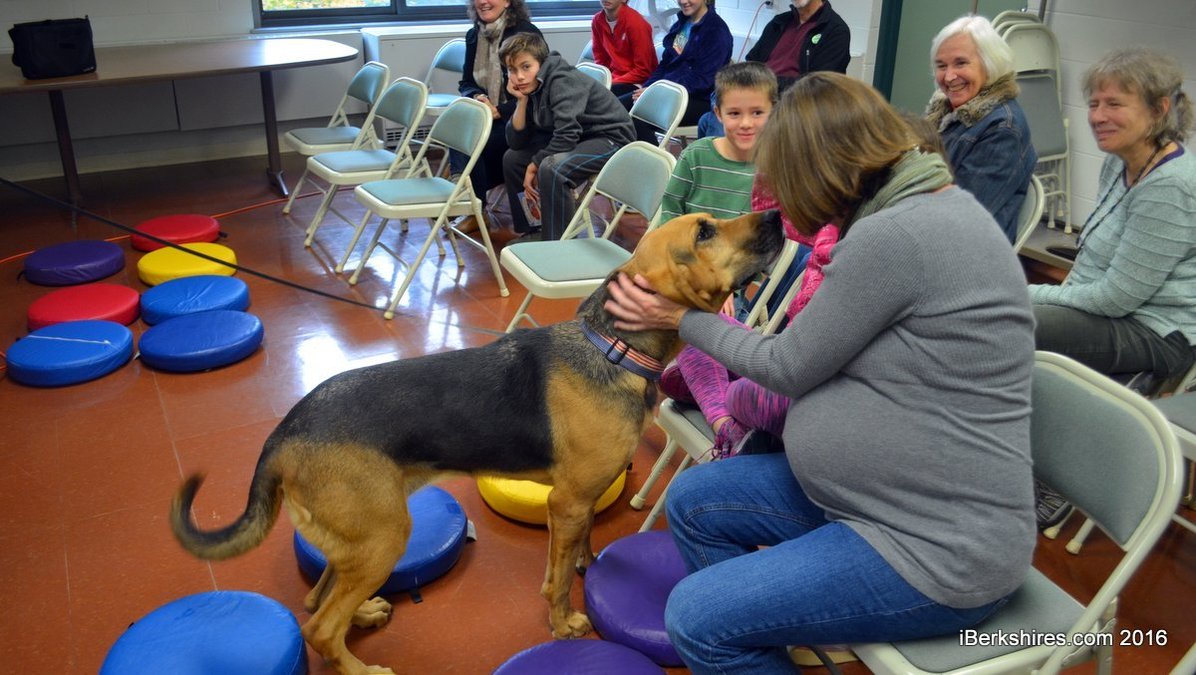
Milne Library Hosts Author of 'Sniffer Dogs' and Real-life Sniffer
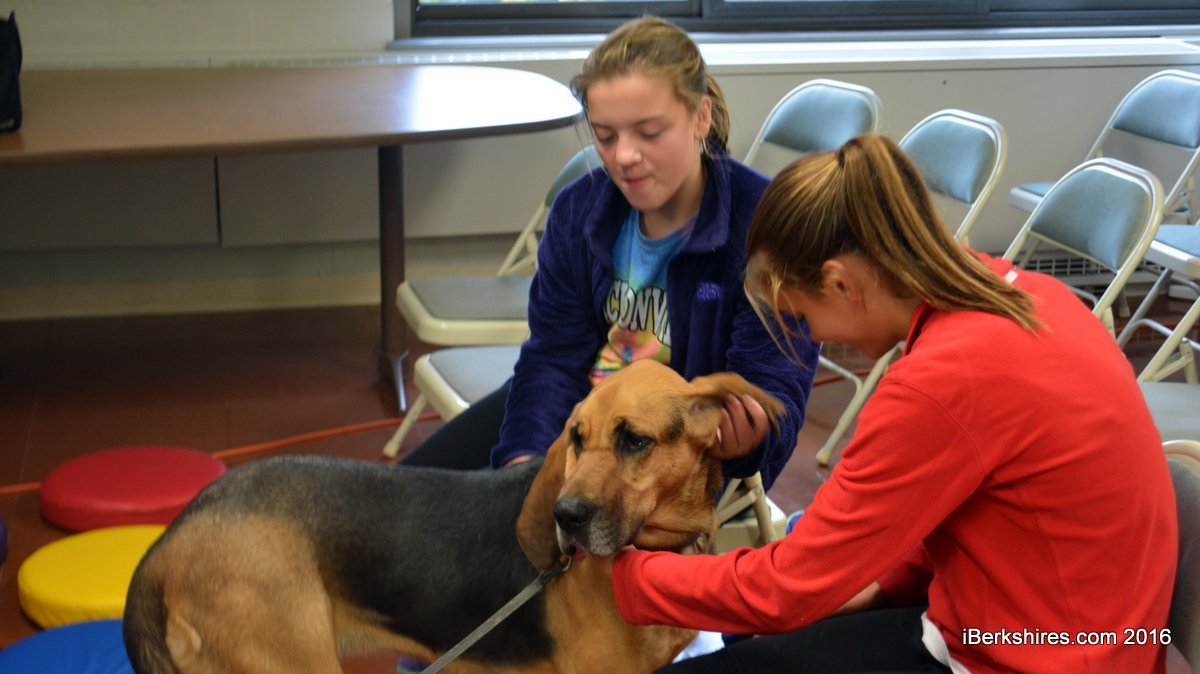
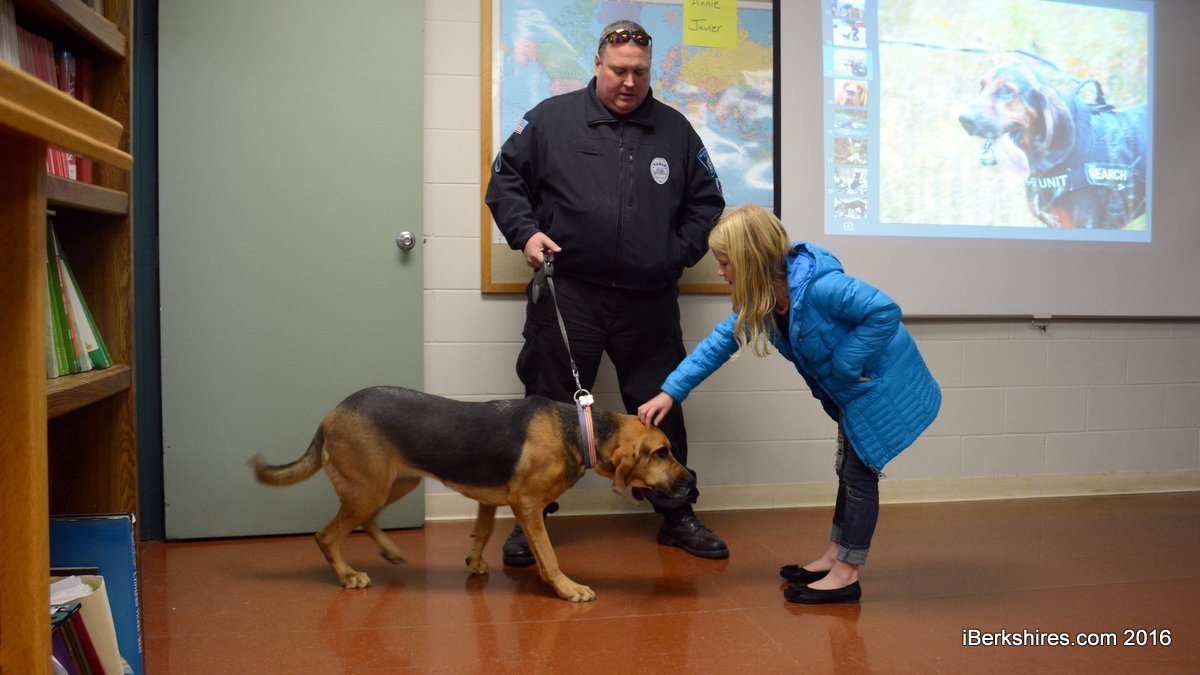
Bloodhounds like Daisy can smell different aromas in the same way we can differentiate noises and voices.
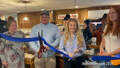
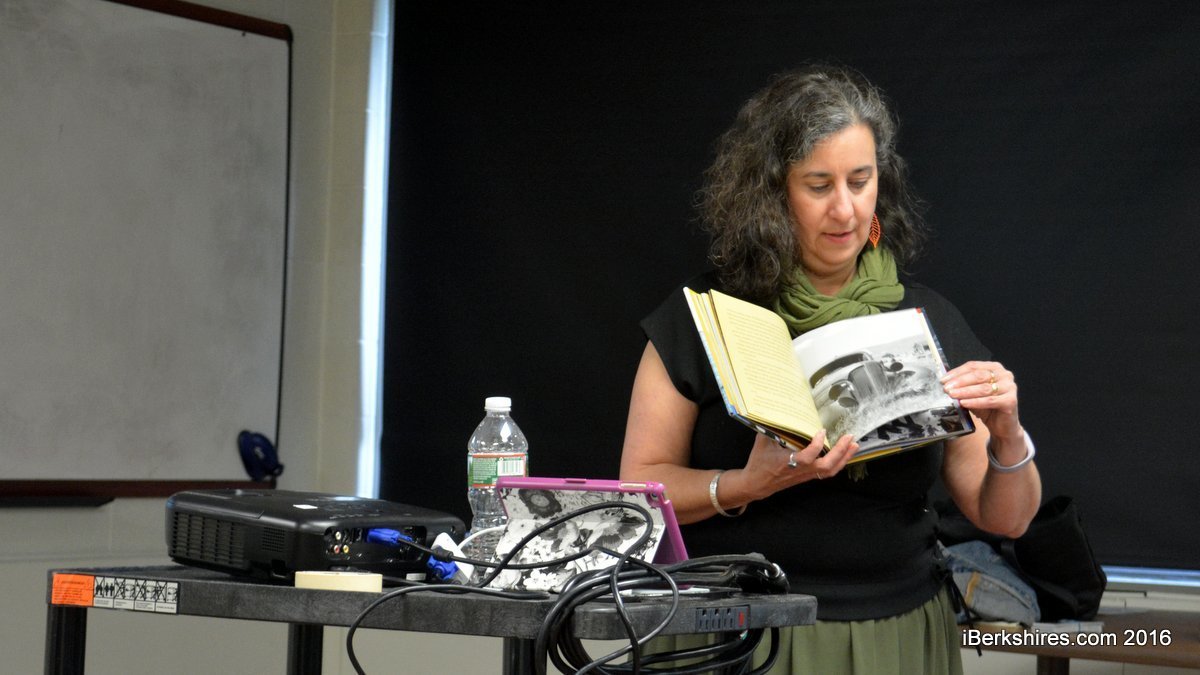
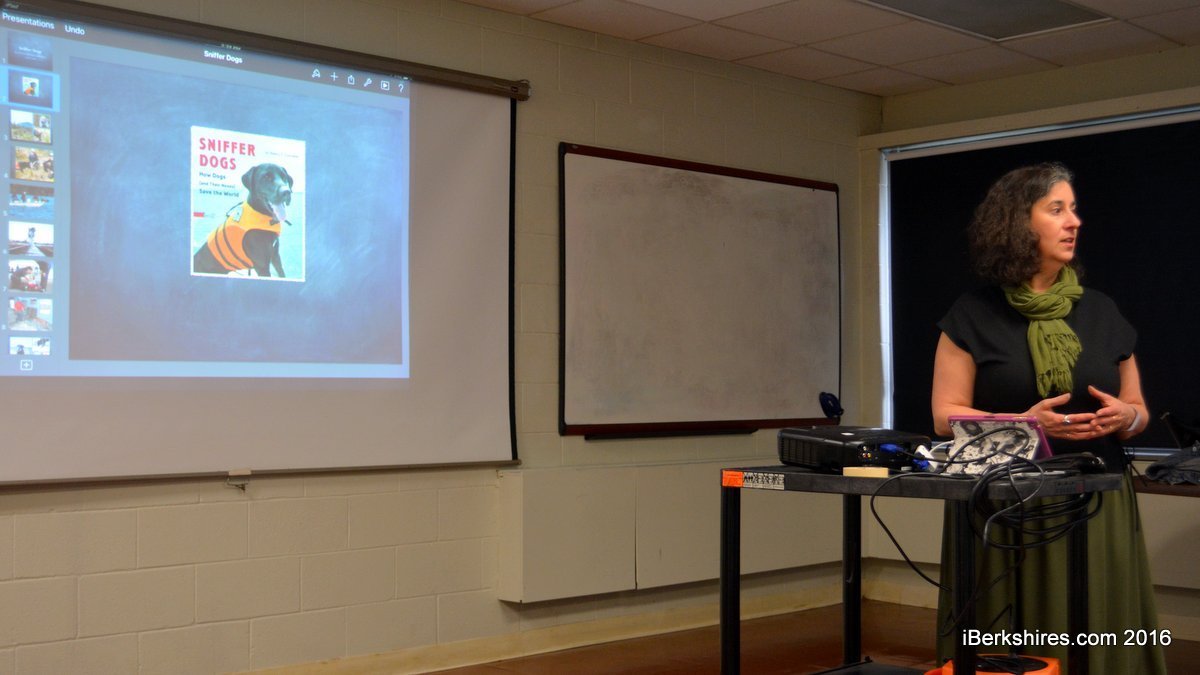
The award-winning Hudson Valley, N.Y., author presented some her research about the amazing capabilities of a dog's nose Tuesday afternoon at the library to a group of dog enthusiasts and explained how their sense of smell helps people.
She said because of her background in conservation, she was first attracted to sniffer dogs and how they help environmental scientists.
Tucker, for example, does what many dogs do, smells poop. But Tucker specializes in smelling whale poop.
"He does this and helps scientists learn about the whale population so they can go into the ocean and scoop up the remains of these whales," she said. "Tucker works in the Pacific Ocean and can smell the whale scat up to a mile away."
She said she also came upon dogs that helped track moose in the Adirondacks by sniffing out their waste. She said normally scientists have to use helicopters and radio collars that can have an ill effect on the environment.
Castaldo also learned about dogs that can track and find missing people.
She said the most noted canine tracker is the bloodhound, whose wrinkly face and long ears help focus scents in a way that makes them super sniffers
Williamstown Police Officer Michael Ziemba stopped in with Williamstown's own blood hound, Daisy, who upon entering the room, went right to sniffing.
"She comes to work every day when I work and she is just a people tracker," Ziemba said. "We get called out all the time ... We were just in Pittsfield. They have three German shepherds but if they have a track of a significant amount of time, they will call in the hound."
Ziemba had also been partnered with the late Blue, the department's first K-9 and also a bloodhound. He said when he first started tracking with Blue, he underestimated the power of her nose.
"Over the years we made a lot of finds and she was never wrong. If there was a mistake it was my fault," Ziemba said. "The first two tracks I did with Blue, I found myself questioning it because I didn't think I could put blind faith in a dog. But Blue was spot on."
Castaldo explained that Blue, Daisy and other dog's noses are so accurate because they can smell like people can hear. When people walk into a house they can distinguish between someone talking on the phone, music playing and a television, all at the same time.
This is how dogs smell, she said.
"We walk into a house and might just be able to smell chili cooking in the kitchen, but a dog can smell the onions in the chili and the beans," she said. "Not only that but they can smell the dirty laundry in the other room or that cat the rubbed against your leg earlier."
She said that there are two kinds of live tracker dogs: Ones like Daisy who will smell something that belonged to the lost person and hunt them, and others who find people who are trapped.
To locate someone who is trapped, the dog will smell all its human helpers and if it picks up a smell from someone it can't see, it will go searching for that person.
Castaldo said firefighters use these types of tracking dogs to help search for lost people.
She also told stories about dogs that can sniff out bombs, that can find where a fire started, that can smell buried human bones and even can smell when their diabetic owner's sugar is about to spike.
She said these working dogs tend to be different than pets because of their work ethic.
"These working dogs will work until you tell them to stop, and they often have to be told to eat or drink otherwise they will keep going," Castaldo said. "A lot of the times they are so high strung they are not always the best pets. They have to have a job."
Ziemba agreed and said Daisy is a shining example of this.
"We call her Crazy Daisy and it is amazing how different hounds can be," he said. "Blue was very slow and methodical. Daisy is just crazy. The faster you can go with her the better she does."
Ziemba said training is an important part of Daisy's job and they practice tracking weekly.
Daisy, who is 3, got to train under Blue.
"Blue we retired when she was 10," he said. "She sadly passed this summer but she had a few good years of retirement, which was good because Daisy could kind of train under her."
Castaldo agreed that this training is incredibly important. She said the dogs are trained to work for a reward. Something all dogs like.
"They all work for play, that is their motivation," she said. "They just want a ball tossed or they want to play tuggy toy ... they will do whatever you want if you play with them after."
"Sniffer Dogs: How Dogs (and Their Noses) Save the World," filled with photographs and stories and published by Houghton Mifflin, can be purchased at Water Street Books.
Tags: authors, book signing, books, K-9, Milne Library, search dogs,