Lawsuit Over Sonsini Animal Shelter Is Resolved
PITTSFIELD, Mass. — The lawsuit over leadership of the Friends of Eleanor Sonsini Animal Shelter has come to a peaceful end.
A lawsuit had been filed by Board President Krista Wroldson-Miller and Treasurer Judith Trumble after the two were ousted from the board. A judge placed a temporary order placing the two back in charge while the court case played out.
On Monday, all parties involved filed for a dismissal in the case. The former board members who ousted the pair agreed to relinquish claims in governing the shelter and Wroldson-Miller and Trumble are reimbursing the defendants $15,000 in legal expenses.
"In consideration of defendants agreeing to relinquish all claims to governance of the Shelter, plaintiffs have agreed to pay $15,000 of the defendants' approximately $30,000 in legal expenses. While plaintiffs were reluctant to agree to this request, it was felt that it was in the best interest of the shelter to expeditiously move past this litigation and focus on the mission and legacy of Eleanor Sonsini," reads a statement released by the shelter on Monday afternoon.
The case claimed that Lisa Denault-Viale, Gloria McClay, and Kimberly Arre-Gerber had illegally voted Wroldson-Miller and Trumble off the board. That had come after months of infighting over the shelter's former manager.
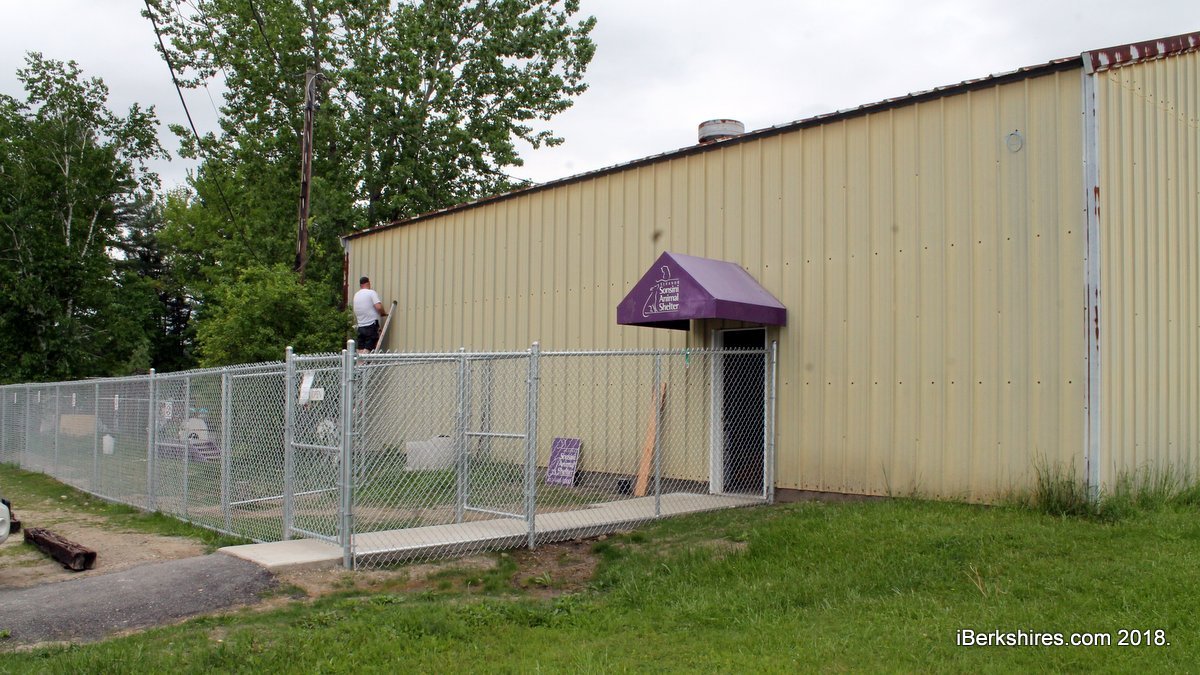
After the order from Judge William O'Grady, the city opted out of its contract with the organization for the sheltering of stray dogs and ultimately kicked the organization out of the city-owned building in the Downing Industrial Park. A new board of directors was formed, still with Wroldson-Miller and Trumble at the helm, and the shelter moved into a temporary home on Crane Avenue.
On Monday, the organization said it also voted to donate a hardwood shade structure currently located at the Pittsfield Municipal Animal Shelter — the former home of Sonsini — to the city. Sonsini estimates the shelter is valued at $30,000 and the donation is a "sign of goodwill."
While the lawsuit has come to an end, the animosity between the organization, former staff members, and the city hasn't. Just last week Sonsini volunteers were at the Downing Industrial building removing what is left of Sonsini's items and voiced outrage by the condition of the property. Supporters of the shelter argued that the city had been neglecting the property and the stray dogs held there were not being taken care of properly.
The allegations include that the outdoor space was overgrown with weeds and infested with bugs. The volunteers reported that the animals were not being brought outside and that no animal control officer had stopped in all day to check on dogs being sheltered there.
That led Mayor Linda Tyer to refute those claims on Facebook, calling them "false accusations."
The mayor wrote that the animal control officer goes to the shelter two to three times a day to clean, feed, water, and exercise the animals.
"Since the city assumed management of the shelter in May, a total of 32 dogs have been impounded. Dogs come into our custody either as strays or lost dogs. The animal shelter does not accept surrenders or conduct adoptions. Among this number, here's a more detailed breakout of their time spent at the shelter: 13 dogs have spent less than 24 hours, 11 dogs less than 48 hours, 3 dogs stayed two days and 1 dog stayed for three days. Four dogs stayed for seven days and were then transferred to the Berkshire Humane Society," the mayor wrote.
"Regardless of the duration of time spent at the shelter, all dogs are appropriately and thoughtfully cared for. State law requires that the City of Pittsfield have an animal shelter and we are conducting our shelter in accordance with state law. To further underscore the latter point, in the wake of the recent accusations, the animal control officer reached out to the state's Department of Agricultural Resources — which has jurisdiction over shelters and quality controls — to visit the city's shelter for their own reference. However, in recognition of the animal control officer's longstanding commitment to the animals in the City of Pittsfield, the state noted that they would not be conducting a visit of the shelter."
The mayor's response was contradicted by Ward Councilors Kevin Morandi and Chris Connell, who both volunteered at the shelter that day. The two councilors said the shelter was in deplorable condition.
The mayor hasn't crafted a course of action for managing the stray dogs in the future. Right now that still is the responsibility of the animal control officer. But, the mayor also said there are only a few dogs that come in as strays and the city has been doing the job without the additional costs of hiring an outside organization.
The conclusion of the lawsuit does signal a moving on for all involved. The Sonsini organization had been fractured and the factions appear to be going their separate ways.
Tags: animal shelter, dogs, lawsuit,