Stamford-Clarksburg School Merger Effort Selects Consultant
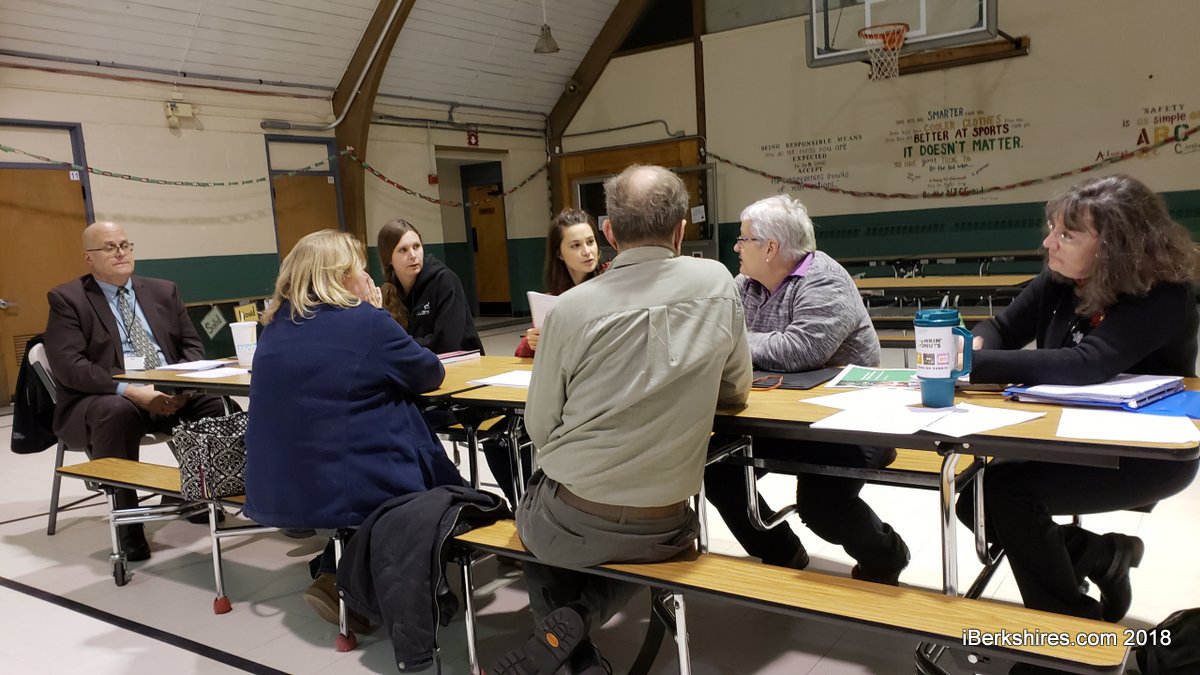
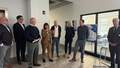
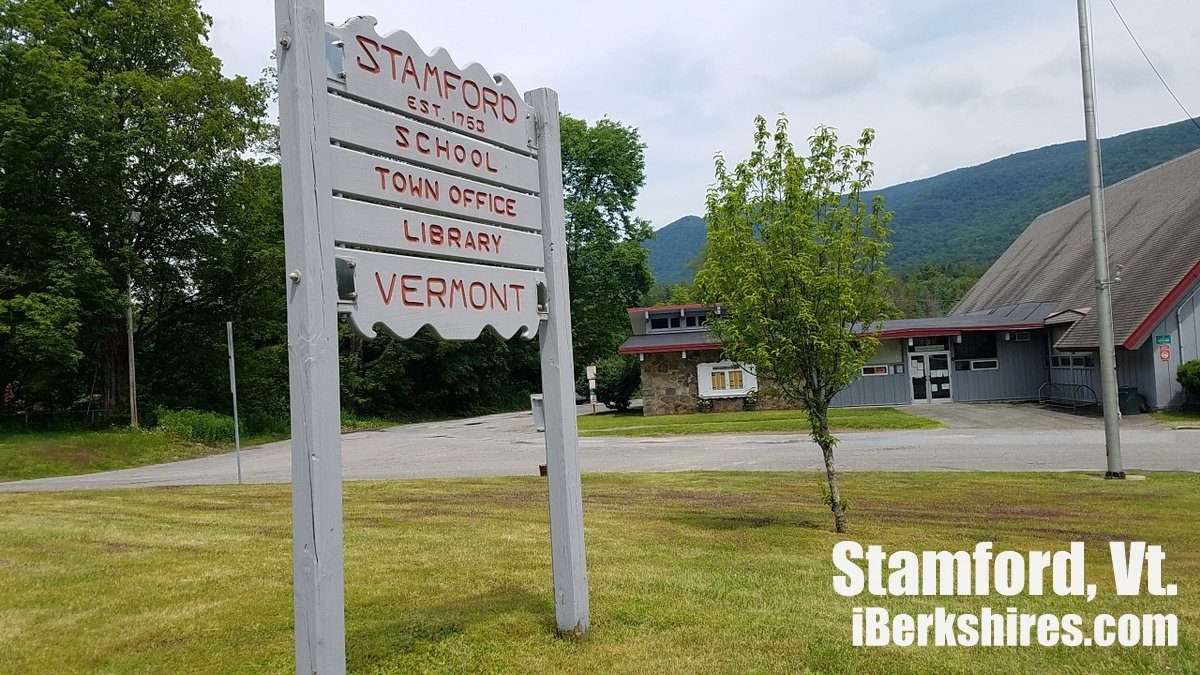
The Interstate School Committee meets Monday night at Stamford School with Clarksburg Select Board member Karin Robert and Town Administrator Carl McKinney.
The Interstate School District Committee on Monday voted unanimously to recommend Public Consulting Group of Boston to do the legwork on plans to create the groundbreaking interstate school district.
The committee hopes to have a contract signed by next week with work to begin as soon as Jan. 2.
"We have to keep the ball rolling ... we have to continue with the positivity and go full steam ahead," said committee member Katelyn Millard, a Stamford teacher who lives in Clarksburg.
The merger is being largely driven by Vermont's Act 46, which seeks to combine school districts to streamline governance and purchasing power. Stamford, however, is geographically and culturally isolated and rejected the state's push for it to partner with a school 25 miles away.
Instead, it looked south at the invitation of Clarksburg officials two years ago with the idea of creating a single school district.
"The two towns embody the sense of a single community despite the invisible state line," states the request for proposals for a consultant to conduct a feasibility study.
Public Consulting Group was one of two responses to the committee's request for proposals earlier this fall with the other being the Massachusetts Association of Regional Schools. Both gave presentations and interviews.
MARS is a known entity in the region, having worked with both Adams-Cheshire Regional Schools and the newly expanded Mount Greylock Regional School District. However, the committee members scored PCG higher in their reviews largely based on the consulting group's familiarity with Vermont education laws, the interstate Rivendell School District and its deep bench of support resources, including legal counsel.
PCG had been submitted a bid of $50,000, including legal fees; MARS bid $51,000, not including legal fees.
Several committee members felt that MARS' presentation had been "redundant" in that the group would be covering ground that the committee had already done on its own. What is needed is a roadmap through the legislative pitfalls, a guide to how the governance of such a district would work, and the educational and structural benefits and challenges of such a merger.
"They did not have enough background with Vermont legislation and that was really going to put all of us behind the eight-ball," said Cynthia Lamore, chairman of the Stamford Board of School Directors. "MARS was closing that by saying our timeline was unrealistic and I think that was a large factor of why ... they were going to have to do a lot of research on their own."
That would push receipt of the report out to next fall, which would hamper Stamford's ability to get a proposal in front of Vermont's part-time Legislature.
PCG, said Kelly Holland of Stamford, had "a clear line forward of how meetings would go with the towns and keeping everyone apprised ... us knowing where we're going is key."
John Franzoni, superintendent for Clarksburg through the Northern Berkshire School Union, had scored both groups about even. While noting PCG's broader experience and the inclusion of legal fees, he felt MARS has greater depth with how local school systems function. The schools will likely be working with MARS in the future, as well.
"Sometimes the presentation doesn't match the work," he said, feeling sure that the smaller organization would "give its all."
The other committee members felt that both groups offered strong leadership and educational experience and either would do well by the towns. But it came down to deadlines, budget and interstate legislative background, and, said Millard, "the brass" to take the effort to the next level.
"To me, the bottom line was the timeline and the legal fees," Lamore said. "We do have a budget and we have to be respectful of what we can do with what we have."
The work is being funded by matching grants of $25,000 from each state and a $30,000 grant to Clarksburg through Massachusetts' Community Compact program. Some of the funds have already been expended on legal fees.
The two communities are looking for a report that will provide options on using both their elementary school buildings configured for their current grades or combined grades; models looking at educational benefits, purchasing, transportation, financing, retirement and other benefits, contracts and special education.
The report would also look at how a merged school district would affect the Northern Berkshire School Union, high school tuition, school choice and the long- and short-term impacts on the communities and related agencies for maintenance and sustainability of the two school buildings, both of which need upgrades.
PCG plans on holding two to four community meetings for updates and input, with the earliest expected in January, should an agreement be signed. The Interstate School Committee hopes to meet next week to have a contract signed by Dec. 28.
"It will make both of us stronger if it's shown to be the right deal for our students and our towns," said Franzoni.
Tags: Clarksburg School, interstate , stamford school,