Pittsfield Schools Take Aim at Reducing Chronic Absenteeism
PITTSFIELD, Mass. — No written policy is ever going to fully address chronic absenteeism.
Deputy Superintendent Joseph Curtis believes that because he's been a principal when the district has had strict attendance policies. He tried raffles and giveaways to incentivize students to go to school and it never worked. He'd meet with families who wouldn't even realize the number of days their child missed or that there was even a policy.
However, not having a policy doesn't help either because once the policy fell into disuse, the number of absentee students increased.
Particularly, the district faces chronic absenteeism from those from economically disadvantaged families and African-American and Hispanic students.
"This absenteeism has been pretty consistent throughout my time as deputy and principal. These three groups tend to have higher absenteeism rates," Curtis said.
In an effort to address the problem in 2010, the district adopted substantial changes to the policy that implemented credit loss for students who missed a certain number of days. By 2017, however, the district didn't see much swing in the overall numbers but did find students who had passed their coursework but had missed just enough days to lose credit and become at risk of not graduating.
Superintendent Jason McCandless said that often led to a "let's make a deal" situation with teachers. The teachers felt since the students had passed academically, he or she deserved to pass. So, they'd make deals to have a student come in for a day on the weekend to help clean the classroom or something and in exchange forgive days missed.
Matthew Bishop was vice principal at Pittsfield High School and presented the data and issues to Curtis when asking to pilot a year without the policy. When the Taconic principal called with questions about students who were in danger of not graduating despite academically passing as well, it was clear the policy needed significant work. Curtis suspended the high school policy.
Since then though the numbers have increased.
In 2018, 30.5 percent of all high school students were chronically absent -- which is federally designated as missing 10 percent of school days. That number was up from 22.2 percent the year before. The percentage of economically disadvantaged students being chronically absent rose from 32.2 percent to 39.5 percent. Among African Americans, the number rose from 30.4 percent to 39.2 percent. And among Hispanics, the number rose from 33.5 percent to 39.2 percent.
"We lost a group of rule-followers," Curtis said. "Right now there is really no consequence for not attending school."
The district is now working on a new attendance policy with full recognition that it won't solve the issue. Instead, the hope of the policy to get something in place that supports an effort to address the underlying causes of chronic absenteeism and get some of those "rule followers" -- the ones who feared being held back a grade -- back.
"Let's find something that actually works. Having nothing doesn't work. Our data across the board in every single category is worse," McCandless said.
Curtis said next step will be to develop a pilot program to roll out in the high schools to make stronger connections with the students. The district started a program this year at Allendale and now the school is tops for attendance with 94 percent.
"It is heavily dependent on the relationship between the teacher, the student, and the family," Curtis said. "Policy won't necessarily fix the problem, it will help support our solutions."
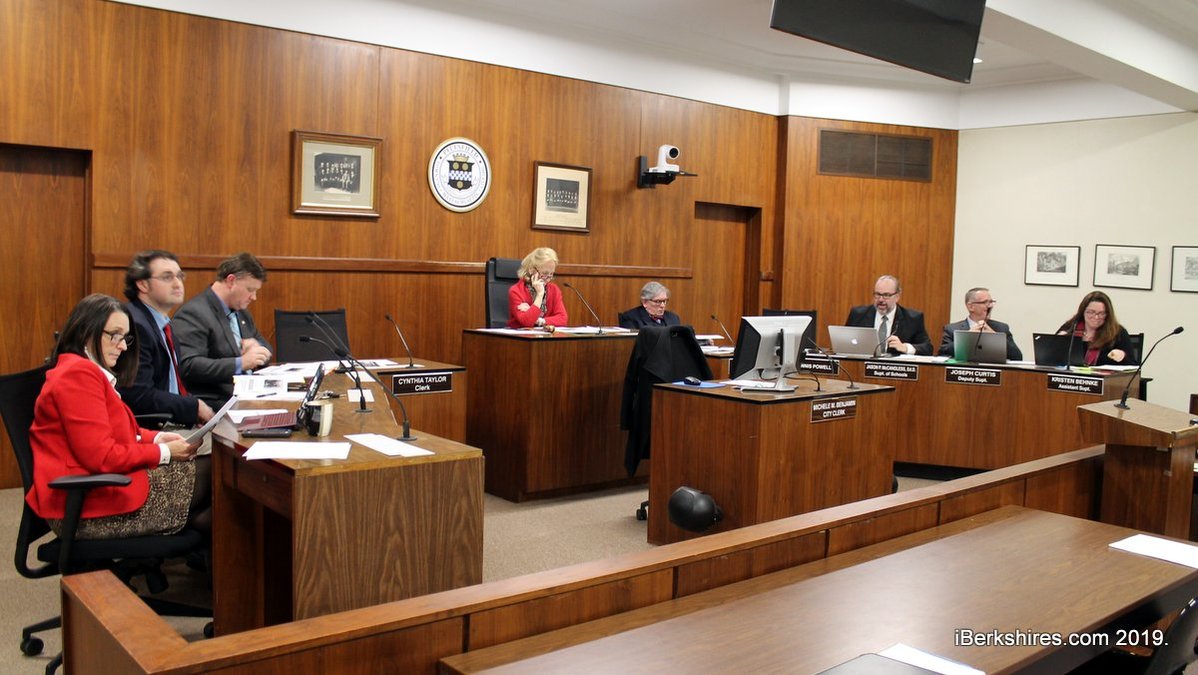
As the School Committee delved into the topic on Wednesday night, Mayor Linda Tyer was particularly interested in reasons why economically disadvantaged children were absent. She has been working with the Bridges Out of Poverty Program on understanding and tackling the issues of poverty and one of the concepts that stuck with her was the difference in the view of time among economic classes.
She said part of the training emphasized that each class views the world differently and people in poverty tend to view the world in a much smaller window. They are looking to address the issues that confront them that day or that week and not as long term into the future as middle or upper classes.
"When they wake up in the morning what is happening today, at that moment, is what they are going to be dealing with," Tyer said.
Those in the middle and upper class have a longer focus on building a future from an earlier age -- or as McCandless called it a "future focus." So when it comes to a strict policy about attendance, that's not going to work, the mayor said.
"We keep trying to push our middle-class models and asking them to understand," Tyer said.
McCandless agreed if the district implemented a strict policy then the dropout rate would increase, families would be unhappy, and the number of students being homeschooled will rise. He doesn't see that as a way to best educate the students.
Tyer added that relationships tend to be a bigger motivator. In some cases, a low-income student goes to school because of a specific teacher, mentor, or coach and not because of those career aspirations. If they stay home, often that is because of a family member or friend needs help.
McCandless added that having something the students connect is important. He said students involved in sports or other extracurricular activities tend to show up for class more. He said a mentoring program is expected to be rolled out at Taconic to reach some 20 predominately African American students and provide a connection.
But first, the district is revamping and implementing a new attendance policy. At this point, it is boilerplate and technical documentation work but the hope is that will set a basis to build the wraparound services.
Curtis has put the current policy out in a newsletter asking those in the district to comment. A new draft has been crafted and that will go to district leadership for review. The next step would be to bring it to principals, who in turn bring it to the school councils. Whatever draft it is in then will get sent districtwide for comment and eventually to the policy subcommittee.
"Whatever policy and practices we come up with will be a work in progress because we will be asking for a pilot next year," Curtis said.
The School Committee was in agreement that the issues behind absenteeism run deeper than a policy document can solve. But, it's a start toward a more comprehensive approach.
Tags: absenteeism,