Group Formed to Foster Pittsfield Pride, Counter Naysayers
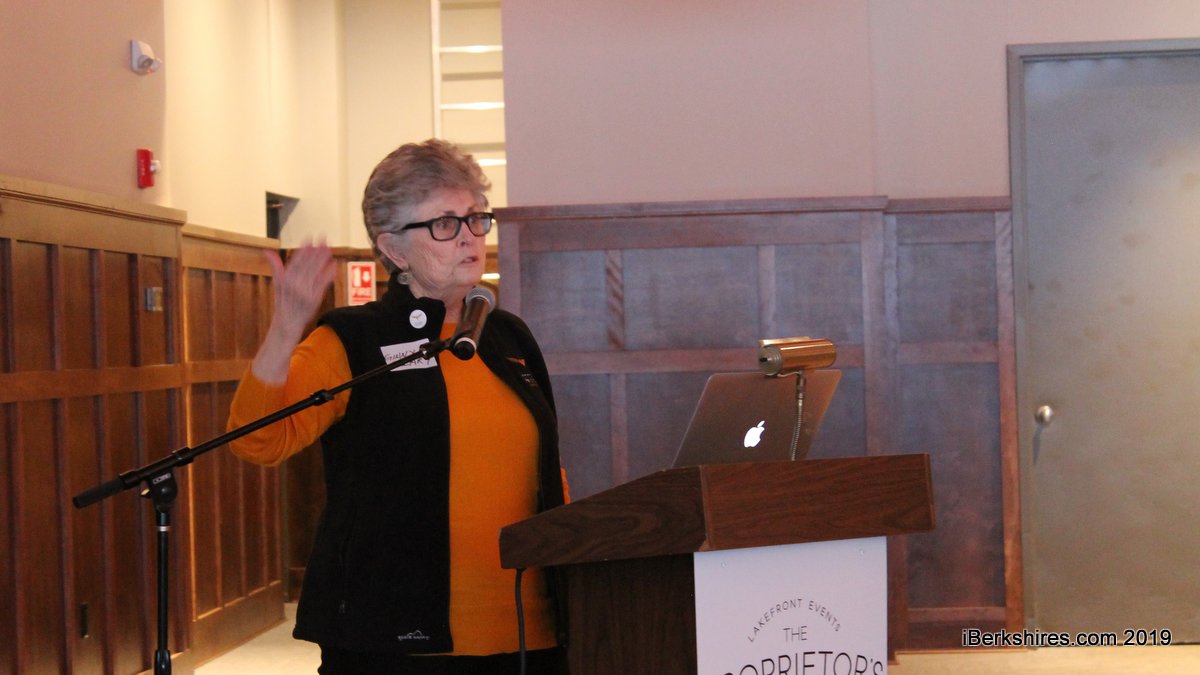
Virginia O'Leary is looking to counter those who speak negatively about the city.
She remembers swimming in the lake, the local stores of old, and cruising up and down North Street on a Friday night.
She enjoyed it so much that after leaving for college and a career, she came back. And she loves it here.
"There are so many good people in Pittsfield, there are so many people who care," O'Leary said.
This past summer, she had just watched a movie at the Little Cinema at the Berkshire Museum and went to dinner in Great Barrington.
Another woman overheard O'Leary and her friend talking about the movie and chimed in. She asked O'Leary where she had seen it and O'Leary told her in Pittsfield. The response was one of badmouthing her hometown. And that isn't the only time she's heard somebody local say negative things about the city.
"I've heard repeatedly 'oh, I can't go to Pittsfield in the evening because it is not safe, there is nothing going on in Pittsfield, are there any nice houses in Pittsfield?' All of those are quotes that I've really heard said to me. And every time it is like a gut punch," O'Leary said.
O'Leary isn't going to deny the challenges in Pittsfield, she knows it isn't perfect and knows it never was perfect. But she is going to speak up and challenge the people who only focus on those negatives and counter them by telling them about the good things and reasons to love the city.
"I don't want to fight. I just want to counter that narrative," O'Leary said.
She's formed Pittsfield Prosper, an organization of like-minded people who support the city and the positive things happening here. Collectively, they're looking to "change the narrative" of how people know and talk about Pittsfield and aim to foster pride in the community.
"It really meant the world to me to think that there was going to be a movement to help change the narrative of this environment, this community, which we love so much," said Ty Allan Jackson, who was skeptical at first of yet another new initiative but embraced the concept entirely after meeting with O'Leary.
The group isn't a non-profit but rather an initiative headed by O'Leary. She's bankrolled the startup of the process personally and sees it as a five-year effort to change the fabric of how people view the city. The group will focus on sharing and promoting the city at every turn.
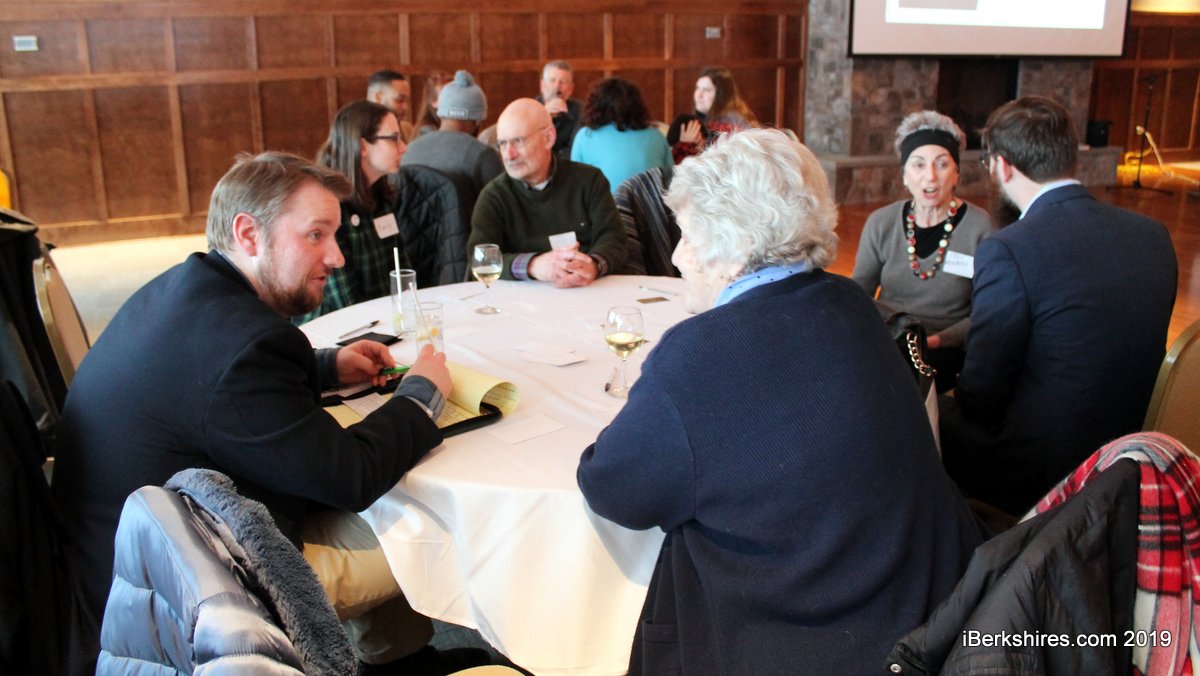
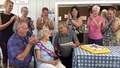
Those at the kick-off event were asked to share with others why they love the city of Pittsfield.
O'Leary believes the big change in the perspective about the city came with the loss of General Electric.
But that was 35 years ago, she said, and so much has changed.
"We have to get out from under that," O'Leary said.
The former college professor published a paper in the mid-1990s on how people respond to challenges. One crux of the work was that it focused on three types of responses. First, the individual can turn to just simply surviving at the new lowest level. Or the individual can work back to the baseline and be recovered.
But there is a third.
"The third possibility is using the challenge as the impetus to go beyond where you were when it all began," O'Leary said. "My hope for Pittsfield is that thriving lies ahead."
She started kicking around the idea during the summer to start such an initiative and it gained traction. She said she had come up with the idea and just started talking to everyone she could about it.
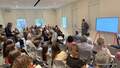
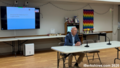
The group held a kickoff event on Wednesday at Proprietor's Lodge. The audience was asked to write down the things they love about the city, share that with others, and tell their own story.
Deb Tart is exactly one of those people like O'Leary. She grew up here and remembers sledding at Clapp Park, going for penny candy, and lining up at the Dairy Queen, all traditional events for those growing up in the city. When all of her friends from high school left, she decided to stay. It's where she raised two children.
"Pittsfield is me. To not believe in Pittsfield is like not believing in myself. To be afraid of Pittsfield is to be fearful of myself. Pittsfield has always been my compass and helped me get through my path in life. It is comfortable. It is rewarding. It is not perfect but it is our home," Tart said.
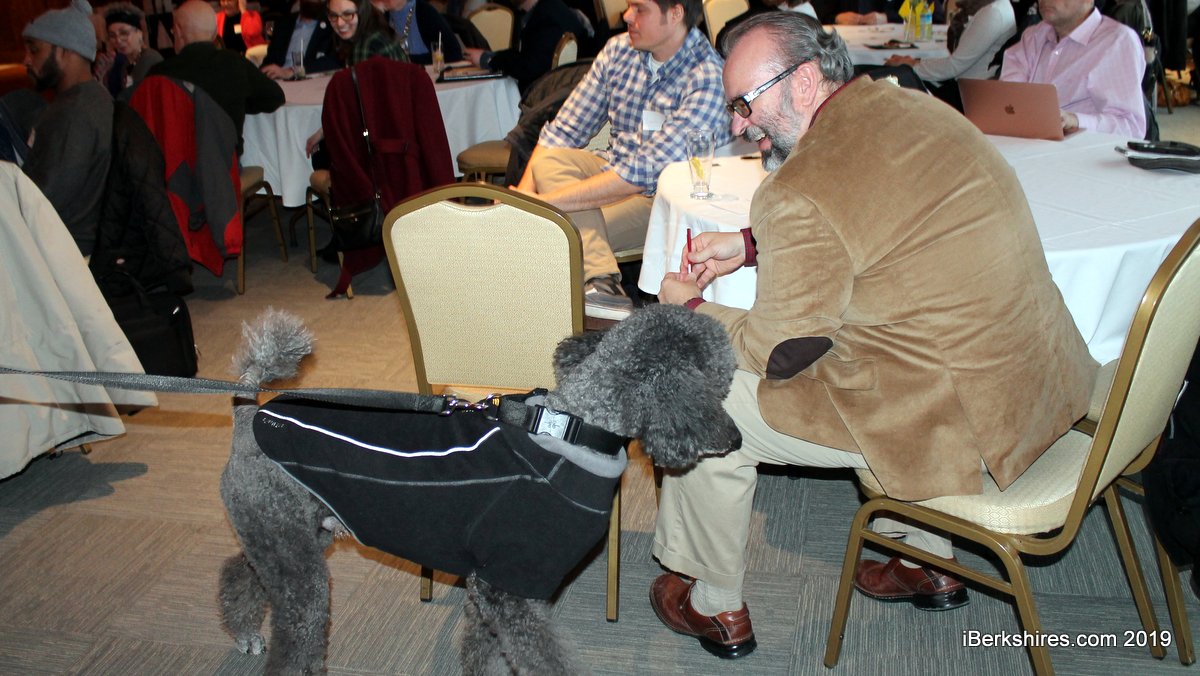
Wynton, the group's mascot, makes his way around the tables.
"There will always be the negativity from the naysayers but I really believe if we stand together and remind people of all the positive attributes Pittsfield has to offer we will become stronger as a community," Tart said.
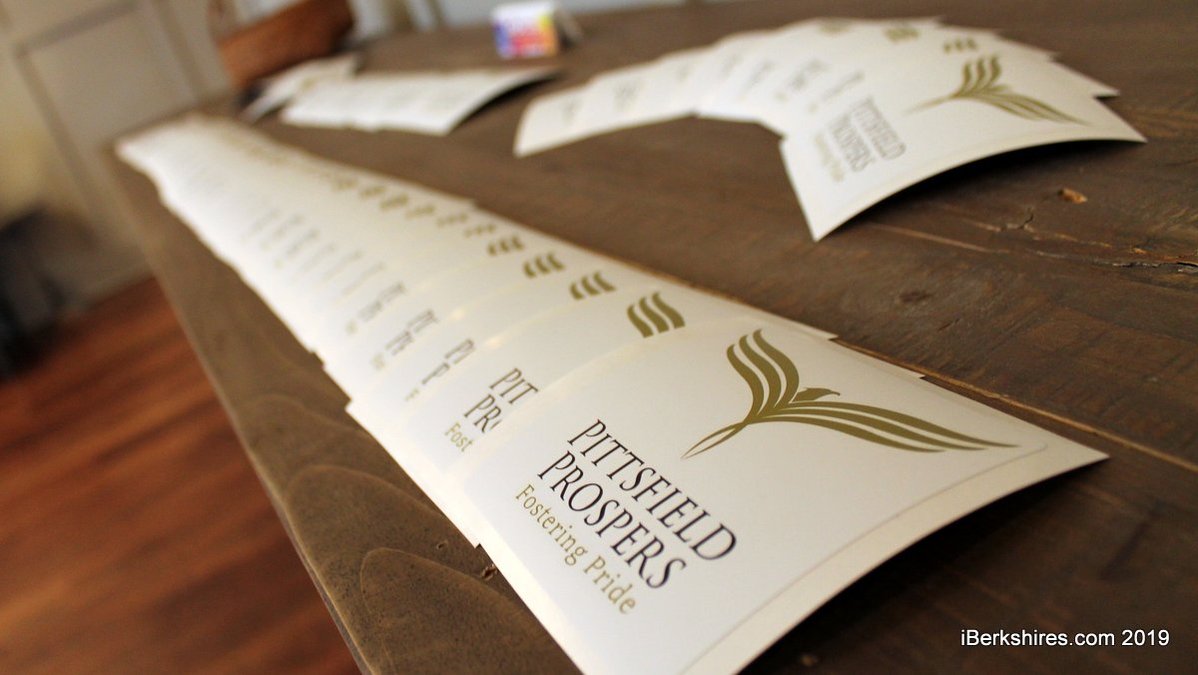
O'Leary introduced the organization's mascot, her poodle Wynton, who strolled around the audience featuring a Pittsfield Prosper shirt. O'Leary has clothing for people to wear. She has stickers and pins. She envisions it as a local movement.
"The major goal is fostering pride in Pittsfield, sharing our positive stories, and countering naysayers," O'Leary said.
Jackson said the efforts will be tracked as the organization promotes the city on every medium possible. Jackson cited the recent Berkshire Blueprint report that also calls for a change in the narrative for the Berkshires when it relates to business as a similar effort.
Tags: booster group, Pittsfield,