Pittsfield Councilor Reignites School Buildings Discussion
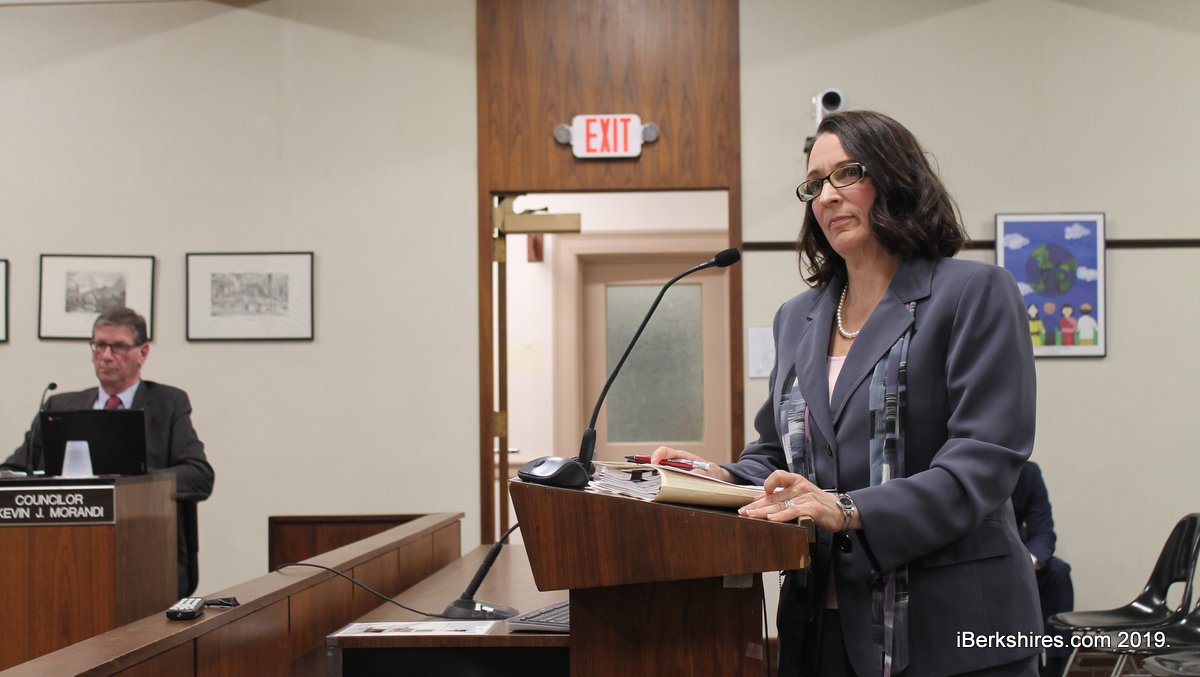
Mayor Linda Tyer responds that she wants the focus to be on the elementary schools.
Krol, who has said he is not seeking re-election, is pushing for the School Building Needs Commission to began looking at what to do with the city's school buildings. He also is glad to hear that school administrators are starting to take a closer look at the elementary schools.
"Let's have a convo during the election season when people are more engaged," Krol said on Tuesday.
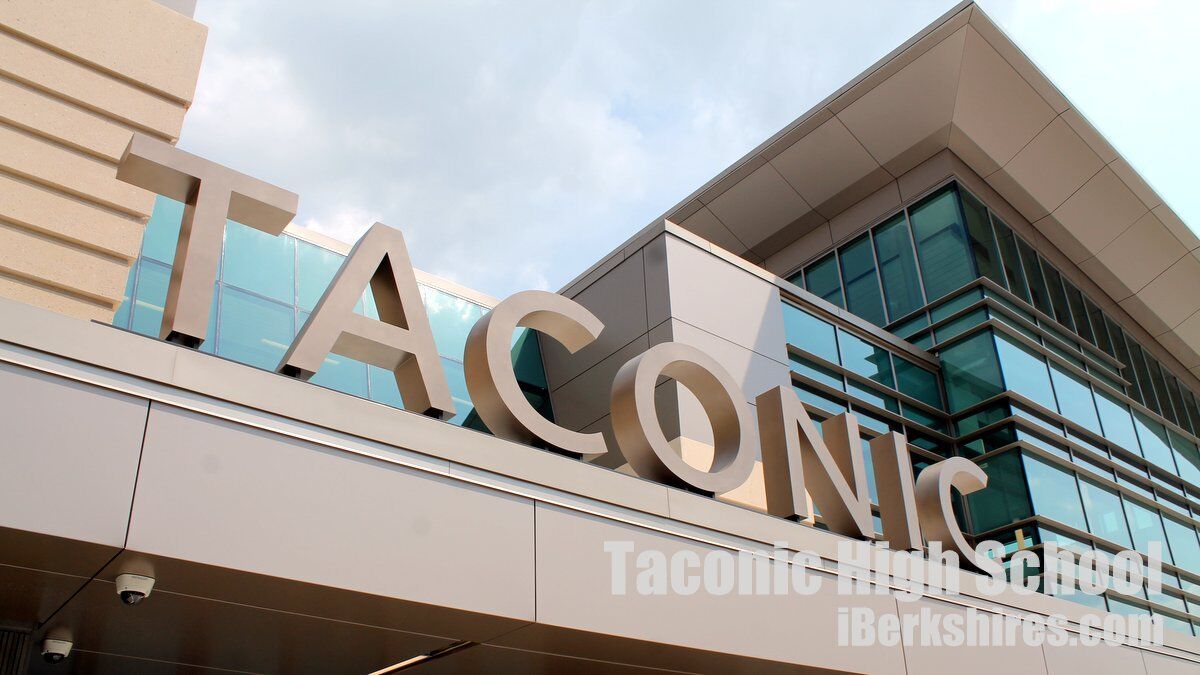
Krol had filed petitioned the City Council calling for an increased conversation about a one- or two-high school vision for the city. It had been hotly debated multiple times in the past, particularly in the mid-2000s when planning for a school building project first began. Eventually, Taconic High School became the focus and a new $120.8 million school is now open for its first year.
Superintendent Jason McCandless, Mayor Linda Tyer, and School Building Needs Commission Chairwoman Kathleen Amuso filed a response to Krol's request saying the focus should be on the elementary schools at this point.
"There are pressing and significant needs at three of our existing elementary schools -- Crosby, Conte, and Morningside. We believe that attention should turn to these three schools. However, this concept must be thoroughly examined by the School Building Needs Commission," the three wrote, adding that the next meeting is scheduled for Monday, April 29.
Krol said he has toured Crosby and agrees that it is in "deplorable" condition. He believes the space is inadequate.
Previously, the Massachusetts School Building Authority had rated all of the school buildings in terms of general condition and Crosby was cited as being in the worst condition. But, Crosby's land is also deeded to the city to operate as a school so the city can't simply close and sell it.
But there is a lot of space available on that property. Krol suggested the city look regional with that property and create an educational campus that could house such things as a regional preschool program.
"We need to be looking at that from a regional point of view and look at it as a campus," Krol said.
Morningside and Conte both have outdated open-style classrooms and their own issues regarding aging. The potential consolidation of schools was studied two years ago and multiple options were laid out as possibilities.
Consolidation-wise, one suggestion was to construct a new Conte/Crosby school on the Crosby campus and then construct a new Allendale/Morningside School at the Allendale location, eliminating two of the city's elementary school buildings.
Another option is to build an addition to the new Taconic and expand enrollment, which the building was partially designed to accommodate.
But there were also more creative solutions in changing how the grades are divided. There was a suggestion to turn Reid Middle School into a Grade 6 and 7 academy and reserve Herberg for Grades 10-12. All 10th to 12th graders would go to Taconic High School, eliminating Pittsfield High School's building. Similarly, all of the elementary schools could turn into K-6, Herberg becomes the Grades 7 to 8 academy, and Reid a Grade 9 academy with again all 10th to 12th graders going to Taconic.
Krol said he particularly leans toward looking at restructuring the grades to address issues at the middle schools.
"Middle school is a problem, not just in Pittsfield but in many communities, 6-8 is a challenging time," he said.
The new Taconic building isn't quite finished, however, so attention still needs to be paid to that project. Tyer said the focus is on having contractors go back to the school and fix things such as doors that were installed incorrectly and damaged flooring, and complete the baseboards.
"It is just small things we want to hold the contractor accountable for," Tyer said.
Krol said that shouldn't stop the city from engaging in a building discussion. He said submitting a statement of interest for a new project would still be a way out.
"We can walk and chew gum at the same time. We can have these conversations even though we still have a punch list at Taconic High School," Krol said.
While the consolidation of the high schools was the focus of Krol's original petition, and of debates and research done in the past, Ward 7 Councilor Anthony Simonelli said the timing still isn't right. He said there isn't enough capacity at the new Taconic to handle sending Pittsfield High School's students right now and enrollment projections don't show that time coming for some years.
"The numbers don't bear out to consolidate right now," Simonelli said.
Meanwhile, Ward 4 Councilor Christopher Connell said he'd like to see the city come up with a plan that preserves the buildings in the best condition.
Nonetheless, many school buildings are aging and the enrollment continues to drop. The issue has been debated for decades but eventually, something will need to happen with the buildings. Krol wants the city to be prepared for when funding does become available to do something.
"It is good to see this is back on the agenda with the School Building Needs," he said.
Tags: PHS, school building committee, school project, Taconic,