Williams College Museum of Art to Reopen on Sept. 6
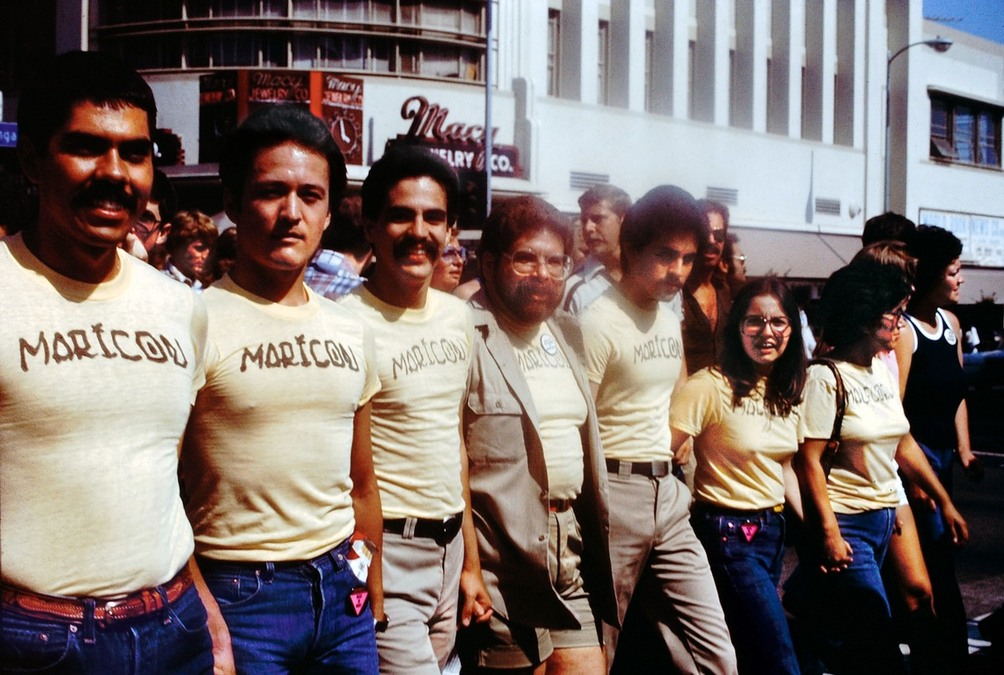
WILLIAMSTOWN, Mass. — The Williams College Museum of Art will reopen for the fall in Lawrence Hall on Friday, Sept. 6, with a lineup featuring the critically exclaimed exhibit "Axis Mundo: Queer Networks in Chicano L.A."
A celebration to mark the reopening of Lawrence Hall and the opening of "Axis Mundo" will be held from 5 to 8 p.m. on Friday, Sept. 6. A season celebration to mark the entire fall lineup of exhibitions will be held Thursday, Oct. 3, from 5 to 8 p.m. Both events are free and open to the public.
"I couldn't be more thrilled to reopen the museum this September with a dynamic suite of exhibitions and collaborations with faculty, many of which dig into our collection in new and innovative ways," said WCMA Director Pamela Franks. "We look forward to welcoming visitors back in Lawrence Hall this fall for a rich array of bold and ambitious exhibitions, powerful art and exhilarating conversations."
The museum has been closed for the summer for renovations that included improving accessibility, public space and collection security, replacing and updating mechanical equipment, and updating staff work areas. During this time, WCMA has been operating a space on at 76 Spring St. that featured the museum shop as well as an exhibition of works in the WALLS collection, a special collection of original artworks that are loaned to Williams students every semester. That space will remain open daily from 11 a.m. to 6 p.m. through Monday, Sept. 2. After Sept. 2, the space will continue to be operated by WCMA and will be open daily from 10 a.m. to 5 p.m. starting Friday, Sept. 6. It will house the museum’s shop as well as offer programming in conjunction with the museum.
Reopening Lawrence Hall is "Axis Mundo: Queer Networks in Chicano L.A.," which excavates histories of experimental art practice, collaboration and exchange by a group of Los Angeles-based queer Chicanx artists between the late 1960s and early 1990s. It presents painting, performance ephemera, print material, video, music, fashion, and photography in the context of significant artistic and cultural movements, including mail art; the rise of Chicanx, LGBTQ, and feminist print media; the formation of alternative spaces; fashion culture; punk music and performance; and artistic responses to the AIDS crisis.
"Axis Mundo" is organized by C. Ondine Chavoya, professor of art and Latina/o Studies at Williams College, and David Evans Frantz, associate curator at the Palm Springs Art Museum, as part of Pacific Standard Time: LA/LA, an initiative of the Getty to encourage ambitious research and exhibitions at Southern California cultural institutions.
Joining Axis Mundo in opening on Sept. 6 are several other exhibits:
* 'SHIFT: New Interpretations of American and European Art,' an ongoing exhibit that opens on Sept. 6 that probes the question: How do we engage and critique historic collections of art in ways that respond to the questions and values of today? Presenting work from three centuries of artists who have borrowed from other cultures or found inspiration from community in places other than where they were born, this installation highlights WCMA’s shift toward multiple material and intercultural interpretations of works in our collection.
* 'Candle (from Earth into a Black Hole),' runs from Sept. 6 to Dec. 15 and contains a white candle that burns down over 12 hours creates a journey through space via its scent. The layers of the candle, created by artist Katie Paterson, each contain a unique fragrance corresponding to a planet or place in the universe. "Candle" unfolds over time during multiple activations over the course of its installation: Sept. 26; Oct. 10 and 24; and Nov. 7 and 21. At each, the candle will burn for two hours, releasing different layers of scent while poets, dancers, and musicians share original interventions inspired by the work. The candle will burn from 5:30 to 7:30 p.m. Interventions begin at 6 p.m.
* Object Lab, which runs from Sept. 6 through Dec. 15, displays the artworks selected by participating professors in a hybrid gallery-classroom, offering access to students and the public throughout the semester. Courses this semester include Biology 311, History 203, Religion 108 and Russian 219.
* 'All At Once,' an ongoing exhibition that opens on Sept. 6, is an interactive installation that clusters objects by visual similarity, juxtaposing items that may be otherwise conceptually or historically distant. Using augmented reality (AR), viewers walk themselves through the collection in an installation that seeks to redefine the experience of visiting a museum building for the digital age.
Three other exhibits will open later in September, including:
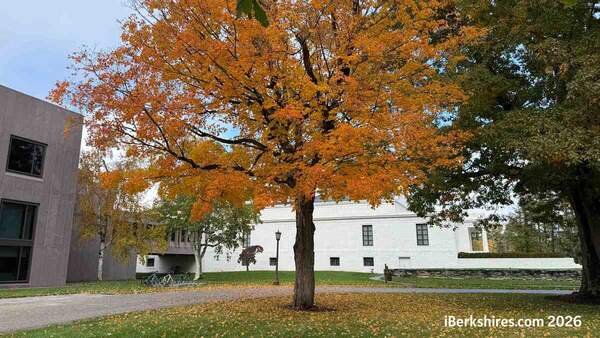
* "Sonance for the Precession," which will run from Sept. 18 through Dec. 22, is a site-specific sound installation created by artist, musician and composer Neil Leonard for the Berkshire quad on the Williams College campus. The electroacoustic composition, played for 30 minutes each day for half an hour before sunset, explores ancient ideas connecting the precession, or movement, of the equinox with the harmonic series. A special event with saxophone and live electronics celebrates the Autumnal Equinox from 6:15 to 6:45 p.m. on Monday, Sept. 23.
* Sense and Suggestion, on view from Sept. 20 through Jan. 26, 2020, is an exhibit of contemporary works of art from WCMA's collection leads visitors on a multi-sensory journey, asking them to take a leap of imagination and bring their bodies into a different relationship to the space and objects around them.
* 'The Invisible Enemy Should Not Exist (Room Z, Northwest Palace of Nimrud),' will be presented from Sept. 27 through April 19, 2020. WCMA's 1935 Gallery will be transformed into the precise architectural layout of Room Z of King Ashurnasirpal II’s 9th century BCE palace, appearing as it stood since its 1854 excavation by British archaeologists until its destruction by ISIS in 2015. Working with a team of assistants, artist Michael Rakowitz reconstructed in 1:1 scale seven of the 13 monumental limestone reliefs that once lined the palace walls using contemporary Middle Eastern newspapers and packaging from northern Iraqi foods. Rakowitz will give a talk on the exhibition at 6 p.m. Thursday, Nov. 14.
In addition, Kenturah Davis will be the featured speaker at the annual Plonsker Family Lecture in Contemporary Art at 3 p.m. on Saturday, Oct. 5. Davis is an artist working between Los Angeles, New Haven, Conn., and Accra (Ghana). Her work oscillates between various facets of portraiture and design. Using text as a point of departure, she explores the fundamental role that language has in shaping how we understand ourselves and the world around us. This manifests in a variety of forms, including drawings, sculptures and performances.
Tags: WCMA,