Officials Optimistic Efforts May Be 'Flattening Curve' of COVID-19 Cases
BOSTON — State officials are "cautiously optimistic" that efforts to test and social distance may be flattening the curve even as cases of COVID-19 continue to rise.
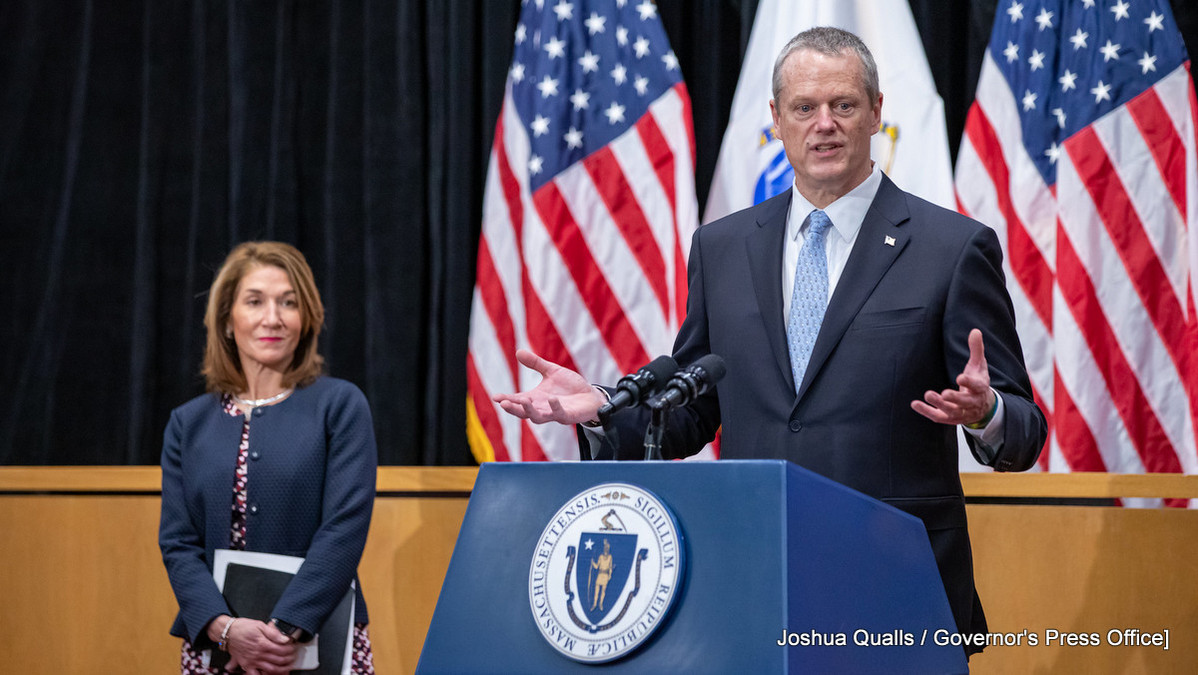
"We're continually reviewing the modeling, but right now we see evidence that we're still on the upward slope of this pandemic," said Gov. Charlie Baker at Wednesday's daily briefing on the COVID-19 outbreak. "For example, the average new coronavirus test in Massachusetts has been rising steadily for three weeks, the percent of people testing positive continues to rise and reach the new high on Monday. ...
"At the same time we've not seen the same steep acceleration seen in either Wuhan (China), New York or other places."
The state has tested 87,511 people and confirmed 16,790 cases of COVID-19; at least 433 people have died from complications of the novel coronavirus.
Baker said the increases positive cases are expected as testing continues to ramp up across the state. There are some 25 labs now processing testing and the Department of Public Health is collaborating with Partners in Health to deploy some 1,000 medical students and volunteers to work on tracing where outbreaks are occurring.
The twin goals of testing and tracing, which has been used successfully in places such as South Korea, it geared to containing the novel coronavirus by alerting those who may have been exposed to the contagious disease. The effort was handicapped in the early going because of the lack of testing equipment from the federal government and is still limited to those who might have been exposed or who are showing symptoms -- even though it COVID-19 is being found in people without symptoms.
However, Massachusetts continues to be a top tester per capita in the United States and more testing facilities are being established, including one at the Big E in West Springfield that will be able to test 200 first-responders a day.
A number of other measures were also announced on Wednesday including updated standards of care for health-care facilities to promote consistency and transparency in care and allocation of resources.
Legislation has been filed to protect health-care workers, volunteers and facilities from liability during the pandemic.
"We're in unprecedented times where providers may be forced to make difficult choices, and we're asking them to operate in conditions that they've never planned for," said the governor. "We need to make sure that fear of getting sued doesn't prevent them from being able to do what they need to do to treat as many people as possible."
Grocery stores are also now limited to 40 percent of their maximum occupancy unless that is less than 25 people and reiterates the need for having cleaning wipes and hand sanitizers on hand for customers and staff.
As he has daily, the governor urged residents to continue sanitary habits, social distance at least 6 feet and stay home as much as possible. There has been a 60 percent reduction in retail and recreation since March 8, a 75 percent reduction in mobility related to public transit and 63 percent reduction in park activity.
All these efforts may be paying out with the gradual curve in positive cases that may flatten a surge of cases ranging from 47,000 to 172,000 over the next couple weeks.
"But it means we're cautiously optimistic that our social distancing, essential services orders, and other measures that we and others have put in place, are helping to flatten the curve," Baker said. "We are entering a period of time where we could be putting serious strain on our health-care system."
Tags: COVID-19,
More Coronavirus Updates