Williamstown Trail Project Must Account for Rare Elm
Update May 20: On further examination, Henry Art says the rare rock elm has died within the past year and is not expected to delay the project further.
WILLIAMSTOWN, Mass. — After two decades of planning, an east-west trail through town hit an "eleventh-hour" snag on Thursday night.
But officials are confident the issue can be resolved quickly in order to keep the Mohawk Bicycle/Pedestrian Trail on track to break ground next spring.
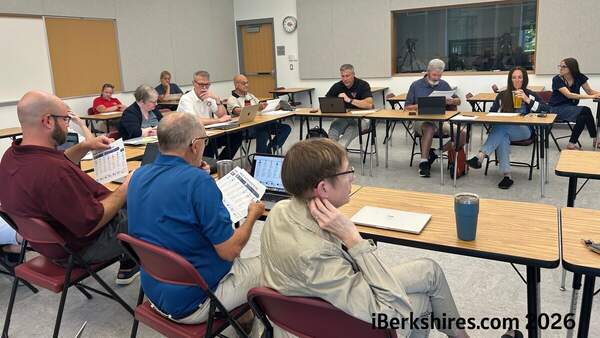
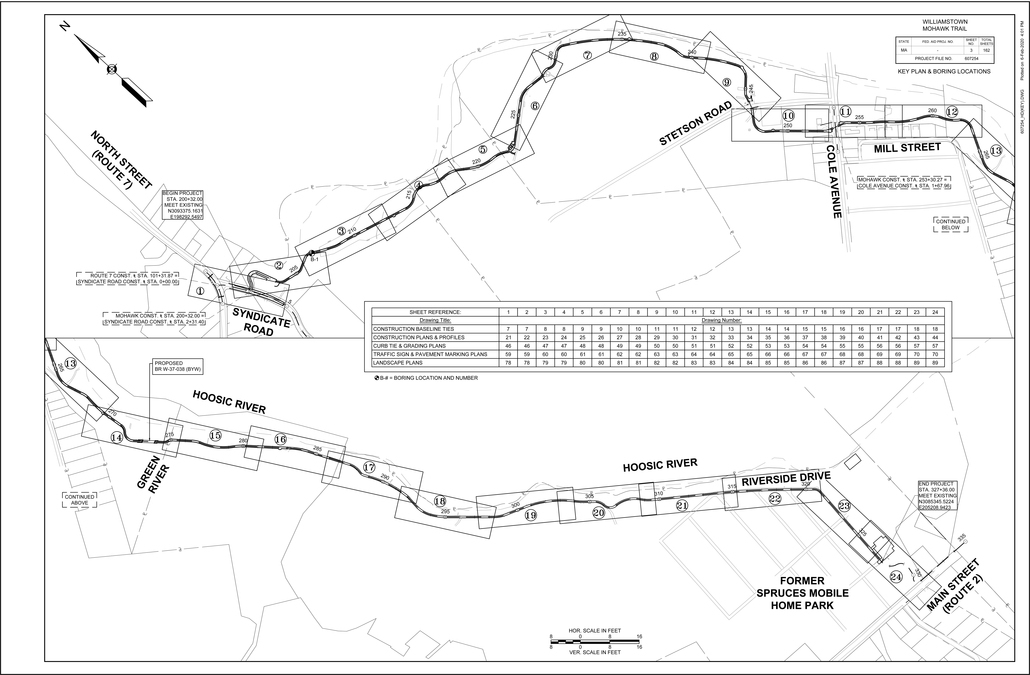
The $5.6 million project was before the town's Conservation Commission to review the impact on wetlands along the planned route from the intersection of North Street (Route 7) and Syndicate Road to the Spruces Community Park on Main Street (Route 2).
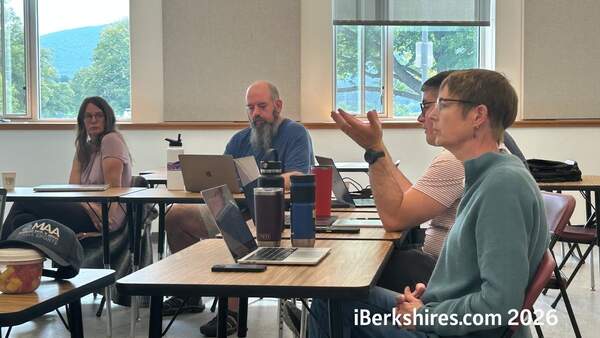
Commissioner Hank Art shared a discovery he made earlier in the day on Thursday about a plant that he found long ago along the path of the trail.
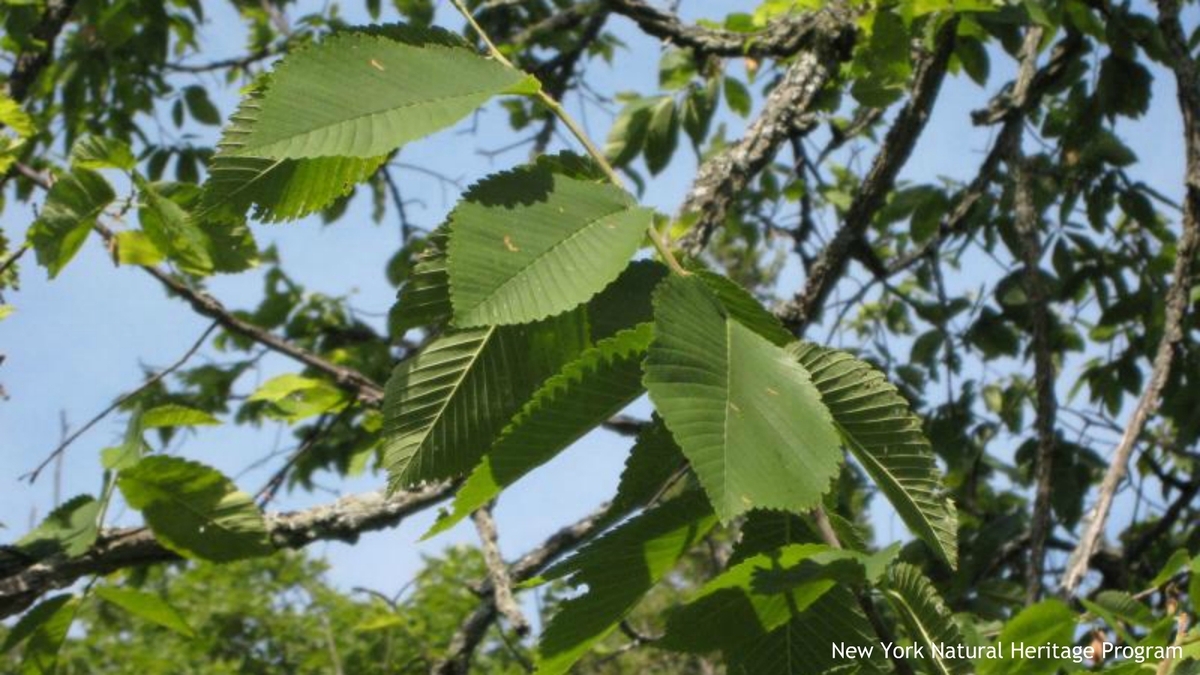
"I'd mentioned the occurrence of Ulmus thomasii, known as rock elm or cork elm that would be sacrificed as being in the alignment of the bike path," Art said, referring to a site visit he made earlier in the day with Con Comm Chair Lauren Stevens and town Conservation Agent Andrew Groff. "I mentioned that I didn't think it was a state listed [protected] species and not a concern."
Later Thursday, Art realized why it was not listed by Mass Wildlife's Natural Heritage and Endangered Species Program.
"This afternoon, I checked the Mass Natural Heritage site and could not find rock elm listed," he said. "The reason is it doesn't appear to occur in the commonwealth of Massachusetts. This presents a bit of a sticky situation in which this may be a plant that Natural Heritage doesn't know is found in Massachusetts.
"It made me, when I discovered this, have a little bit of a gasp. This may be a rare and endangered species in the commonwealth because we're on the extreme eastern edge of the distribution, and it is not a contiguous distribution out to the Midwest, where it's a relatively more common species."
Art, an emeritus professor of environmental studies and biology at Williams College, said he was a little "embarrassed" that he has known about the presence of rock elm in the area for 20 years but did not realize how rare it might be in the commonwealth.
"This is the 11th hour, 30th minute or whatever in this project," a chagrined Art said.
Stevens pointed out that even if the Con Comm gave its blessing for the project on Thursday, there still were steps that needed to be taken at the local level to make it happen. Specifically, the town must sign off at town meeting on easements and right of ways needed to make the 2.4-mile, 12-foot trail a reality.
And there still are final sign-offs pending from the Federal Emergency Management Agency, which has jurisdiction over the Spruces land, and the Massachusetts Department of Environmental Protection.
Once the land transfers and permits can be finalized, the project has to be put to bid by Oct. 1 in order to receive funding from the federal government, Mass Department of Transportation project manager Dave Shedd told the Con Comm. The project, which ultimately will link up with a similar trail in North Adams and someday link to the Ashuwilticook Rail Trail, is being funded 80 percent with federal dollars and 20 percent with state dollars.
The concern raised by Art needs to be addressed but probably will not cause any delays, according to testimony Thursday from Tim Dexter, the fish and wildlife supervisor for MassDOT.
"What I'd suggest is, if it's rock elm, as you mentioned, it's not currently state listed, but we could see if we could try to avoid it as part of the project," Dexter said. "As you know, GPI [Wilmington's Greenman-Pedersen Inc., engineering] has worked hard to thread a needle through this site to minimize wetland impacts and rare species sites.
"If we can't avoid impacts to that tree, at that point, I'd ask Natural Heritage if they think it is appropriate to incorporate that tree into our mitigation site."
That means finding a nursery to obtain rock elm trees for transplanting in one of the five proposed wetland replication areas that GPI designed into the project.
"That sounds entirely reasonable," Art said.
The first step, the commissioners agreed, was to have Groff get in touch with Massachusetts Natural Heritage to alert the agency to the presence of the species, which also is found in the Champlain Valley and upper Hudson Valley in Vermont, Art said.
He likened it to another rare species in town, the hairy honeysuckle.
"In Massachusetts, it's only found in three sites, and two are in Williamstown," Art said. "If you go to Michigan, it's all over the place. We fight our battles on the edges of the ranges of species rather than right in the middle of where they might be abundant."
In general, the commissioners seemed satisfied with the answers to their questions about the 1,000-page notice of intent submission submitted by GPI on behalf of the town.
The trail will cross three intermittent streams and the Green River.
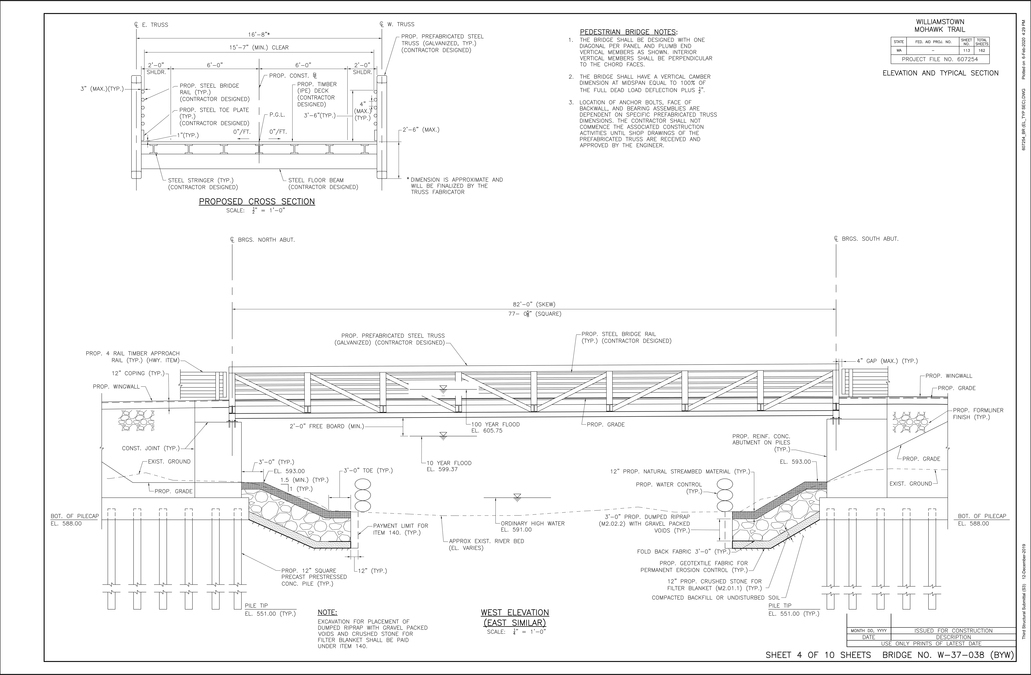
The 82-foot long, 16-foot wide prefabricated truss bridge will run about 14 feet over the river and creates one of the largest single impacts to a wetland area.
GPI project scientist Laura Krause told the commission her firm expects the Green River crossing to create 1,837 square feet of permanent wetland impacts and 1,014 square feet of temporary wetland impacts.
"The temporary impact areas will be restored to existing grade and restored with a wetland seed mix," Krause said. "The permanent impacts will be replicated immediately adjacent to the site."
Overall, Krause said the project impacts 4,501 square feet of bordering vegetated wetlands, and it has 5,121 square feet of replication areas.
"You've mitigated beyond the proposed impact, and the net effect is positive?" Commissioner Tim Car asked. "Is that a fair assessment?"
"Yes," Krause replied.
The Con Comm agreed to continue its hearing on the trail project to its May 28 meeting, when it hopes to have a resolution of the rock elm question.
Tags: bike path, conservation commission, endangered,