Springfield Bishop Sets Guidelines for Reopening Churches
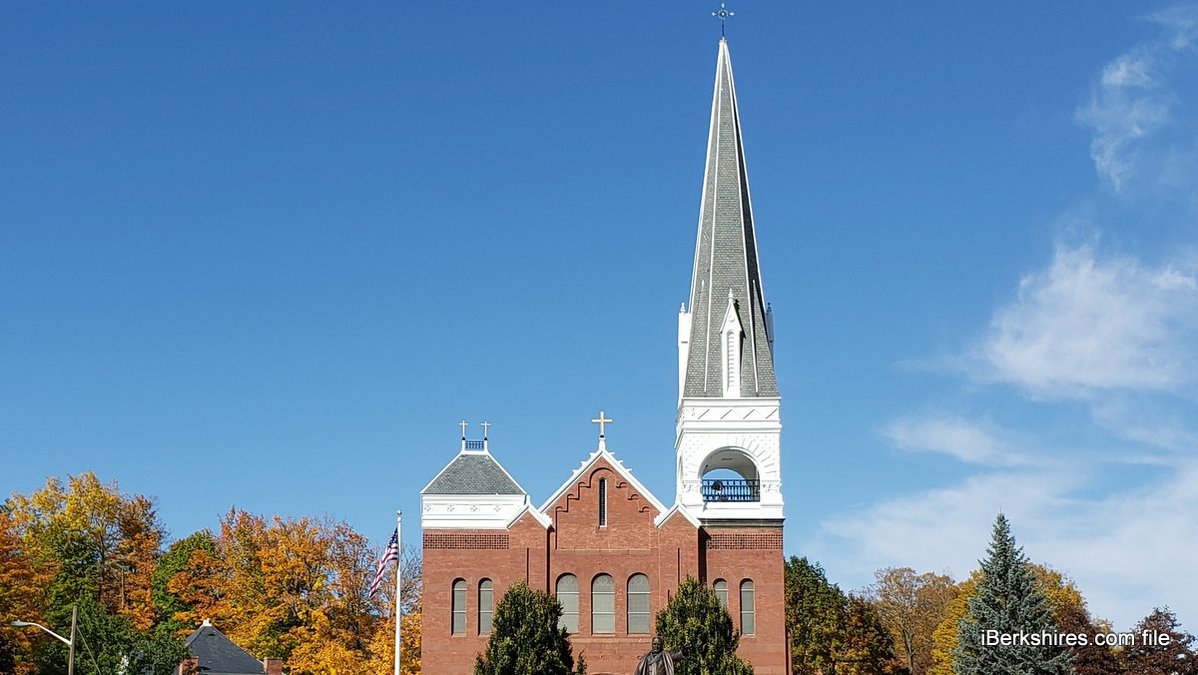
ADAMS, Mass. — The Roman Catholic Diocese of Springfield is taking precautions in line with the state's reopening plan it begins to resume worship within its churches.
The diocese's parishes were closed mid-March along with other defined "nonessential" operations as Massachusetts officials sought to contain the spread of the novel coronavirus and "flatten the curve" of hospitalizations during the pandemic.
"I was pleased to learn that the opening of churches will be part of the first phase of the state's reopening measures," said Bishop Mitchell T. Rozanski in a statement on Monday. "In recent days, we have asked parishes to begin planning for their reopening, taking into account limited capacity and social distancing, as well as cleaning procedures after every public use of the church. ...
"It is important that our churches must be in full compliance before we resume public Masses."
The reopening advisory board appointed by Gov. Charlie Baker released a phased plan on Monday for different sectors of Massachusetts to begin resuming operations in the coming weeks. Places of worship were among the venues being allowed limited use beginning this week.
Churches, temples, mosques and other venues are limited to 40 percent of the occupancy at any one time; those not sharing a household must be seated at least 6 feet away from each other. Adults and older children must wear face coverings, including while entering and exiting, unless there is an existing health issue. Children younger than 2 should not be masked and it is at the guardian's discretion for children up to age 5.
Online services are still encouraged as much as possible and Rozanski said those who are most vulnerable to the disease should continue watching at home.
"I am extending the dispensation from the obligation to attend Sunday Mass even after we reopen out of an abundance of caution and concern for the most vulnerable who are most susceptible to contract this virus," he wrote.
Rozanski said parishes will be allowed to resume public Masses on Saturday at 4 p.m. but only if they have submitted "written assurance that they have met all the state, municipal and diocesan guidelines, and received a response giving permission to resume."
Because of this, some parishes may not be able to hold regular services until the following weekend.
Guidelines issued on May 15 will continue in effect and Masses will omit the Sign of Peace and Communion by cup, and holy water fonts will remain empty and covered. Communion will be allowed in hand only. Parishes will be allowed to add extra liturgies to accommodate capacity limitations but only after 4 p.m. on Saturdays and only if time for cleaning is set in between.
Priests will not be required to wear masks except during Communion as long as they maintain a 6-foot distance. The diocese has also set out guidelines for sacraments given in hospitals or other health care facilities. Any other parish activities and home visits are still not allowed.
More information can be found at www.diospringfield.org.
Tags: COVID-19, Springfield Diocese,
More Coronavirus Updates