image description
The exhibit "The Art of Warner Bros. Cartoons and Aquarium" will remain on view through Sept. 13.

Berkshire Museum Operating Hours Expand to Five Days Per Week

Print Story | Email Story

PITTSFIELD, Mass. — The Berkshire Museum, which began a phased reopening on Aug. 1, will expand its operating hours to five days per week beginning August 31. 

The new schedule will be as follows:

• Monday, 10 a.m. to 5 p.m.

• Thursday, 10 a.m. to 5 p.m.

• Friday, 10 a.m. to 5 p.m.

• Saturday,10 a.m. to 5 p.m.

• Sunday, noon to 5 p.m.

The museum will continue to close in the middle of each day, from 2 to 2:30 p.m. on Sundays and 1 to 2 p.m. the rest of the week, for a deep cleaning of all public spaces. Through August 29, the Berkshire Museum is open Monday, Wednesday and Saturday.

Advance reservations are required to visit the museum. Guests are encouraged to reserve their timed experiences online, or by calling 413-443-7171 ext. 360. Additional information about the measures the Berkshire Museum is taking to ensure the safety of their visitors and staff can be reviewed here.

The exhibit "The Art of Warner Bros. Cartoons and Aquarium" will remain on view through Sept. 13. Upcoming exhibitions include "Art of the Hills: Narrative," scheduled to debut in the museum’s galleries Oct. 10. A virtual version of the show, which opened with an online event in early June,  is currently on view online. Additional details about the physical exhibition will follow.


Tags: Berkshire Museum,   
If you would like to contribute information on this article, contact us at info@iberkshires.com.

Social Service Organizations Highlight Challenges, Successes at Poverty Talk

By Brittany PolitoiBerkshires Staff

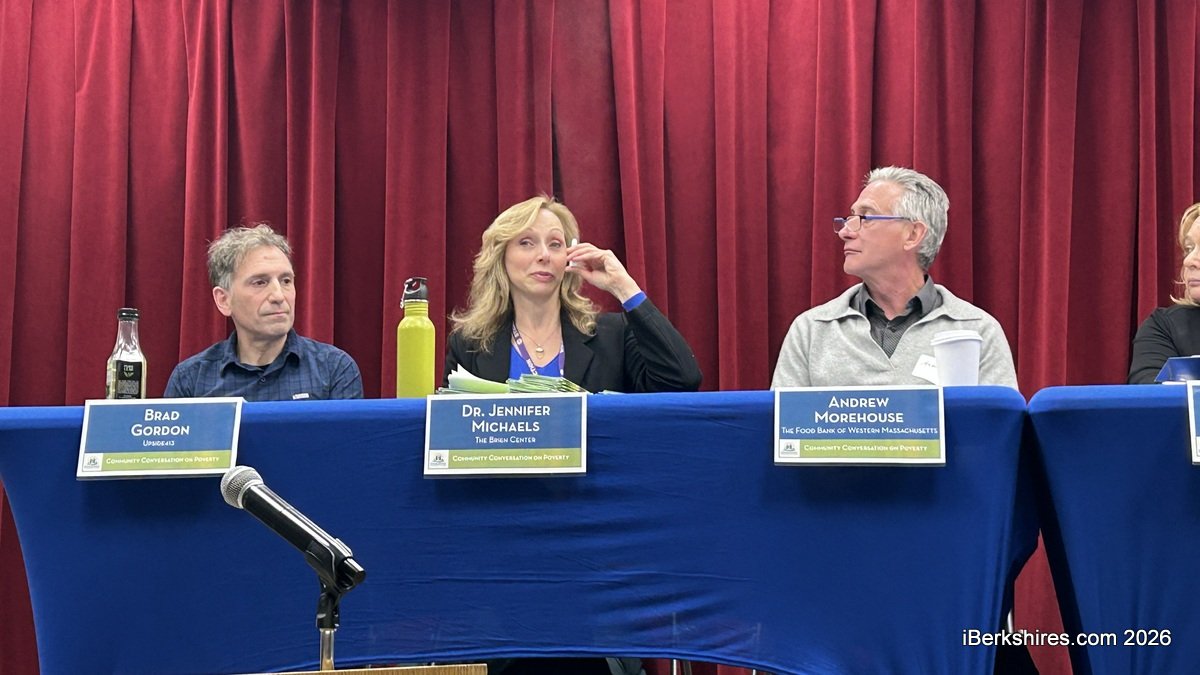
Dr. Jennifer Michaels of the Brien Center demonstrates how to use Narcan. Easy access to the drug has cut overdose deaths in the county by nearly half. 

PITTSFIELD, Mass. — Recent actions at the federal level are making it harder for people to climb out of poverty.

Brad Gordon, executive director of Upside413, said he felt like he was doing a disservice by not recognizing national challenges and how they draw a direct line from choices being made by the Trump administration and the challenges the United States is facing. 

"They more generally impact people's ability to work their way out of poverty, and that's really, that's really the overarching dynamic," he said. 

"Poverty is incredibly corrosive, and it impacts all the topics that we'll talk about today." 

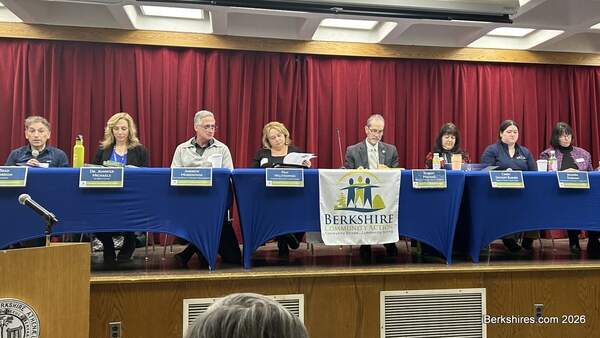
His comments came during a conversation on poverty hosted by Berkshire Community Action Council. Eight local service agency leaders detailed how they are supporting people during the current housing and affordability crisis, and the Berkshire state delegation spoke to their own efforts.

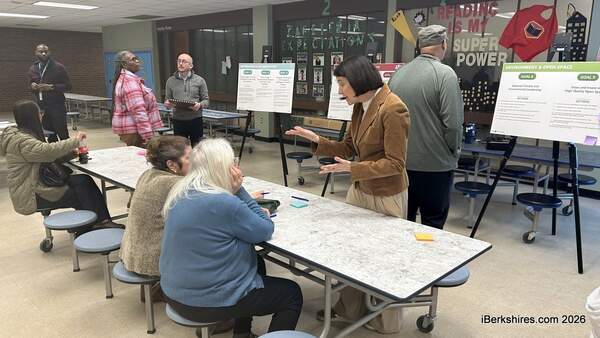
The event held on March 27 at the Berkshire Athenaeum included a working lunch and encouraged public feedback. 

"All of this information that we're going to gather today from both you and the panelists is going to drive our next three-year strategic plan," explained Deborah Leonczyk, BCAC's executive director. 

The conversation ranged from health care and housing production to financial literacy and child care.  Participating agencies included Upside 413, The Brien Center, The Food Bank of Western Massachusetts, MassHire Berkshire Career Center, Berkshire Regional Transit Authority, Greylock Federal Credit Union, Massachusetts College of Liberal Arts, and Child Care of the Berkshires. 

The federal choices Gordon spoke about included allocating $140 billion for the U.S. Immigration and Customs Enforcement, investing $38 billion to convert warehouses into detention centers, cutting $1 trillion from Medicaid over 10 years, a proposed 50 percent increase in the defense budget, and cutting federal funding for supportive housing programs. 

Gordon pointed to past comments about how the region can't build its way out of the housing crisis because of money. He withdrew that statement, explaining, "You know what? That's bullshit, actually."

"I'm going to be honest with you, that is absolute bullshit. I have just observed over the last year or so how we're spending our money and the amount of money that we're spending on the federal side, and I'm no longer saying in good conscience that we can't build our way out of this," he said. 

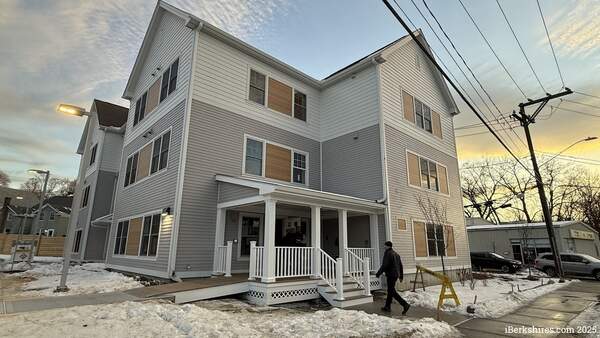
Upside 413 provided a "Housing Demand in Western Massachusetts" report that was done in collaboration with the University of Massachusetts at Amherst's Donahue Institute of Economic and Public Policy Research. It states that around 23,400 units are needed to meet current housing demand in Western Mass; 1,900 in Berkshire County in 2025. 

View Full Story

More Pittsfield Stories