Baker: No Known Threat to State Buildings Related to Biden Inauguration
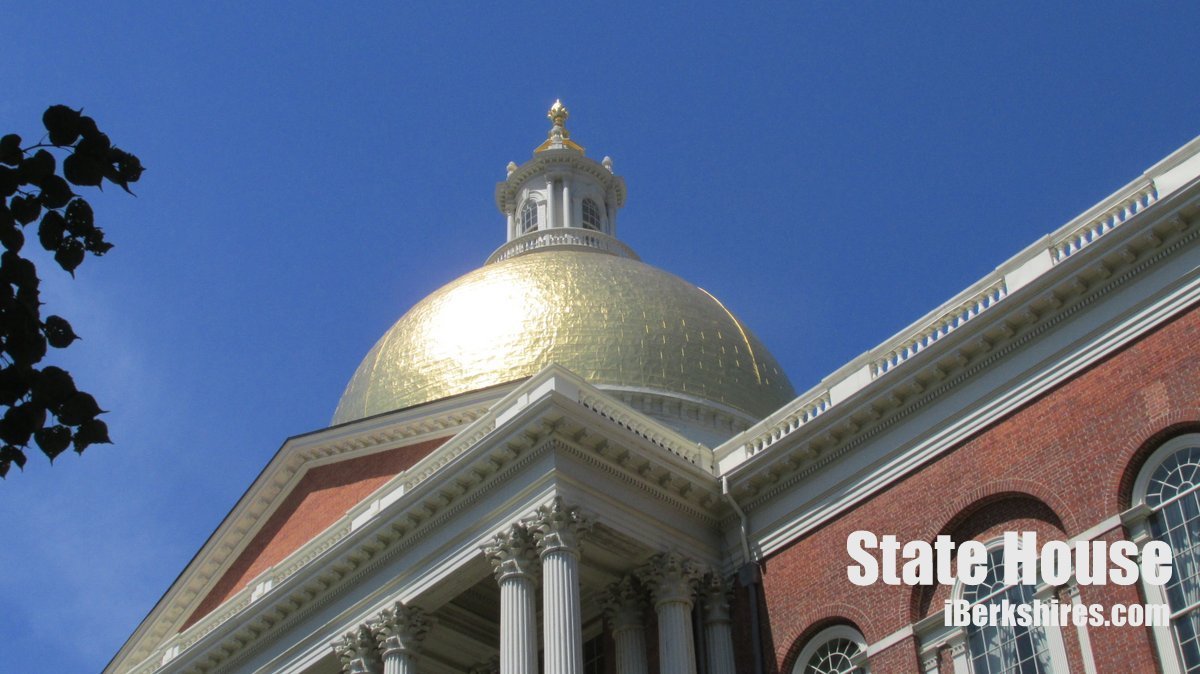
WORCESTER, Mass. — Gov. Charlie Baker on Tuesday said there is no specific threat of violence identified against the State House in connection to next week’s inauguration of President-elect Joe Biden, but the commonwealth continues to prepare for the worst.
"We’ve been talking with our colleagues in law enforcement at the Mass State Police and federal level on a very regular basis for months," Baker said during a visit to the Worcester Senior Center. "That process is going to continue, and, obviously, there are lots of conversations going on between federal, state and local law enforcement about the issues raised with respect to this weekend.
"I can tell you at this point in time we are not aware of any specific threat that involves anything here in Massachusetts."
On Monday, CNN reported it had obtained an internal FBI memo warning of armed protests being planned in all 50 state capitals in the days leading up to the Jan. 20 inauguration. (Note: Up to 500 National Guardsmen were activated on Thursday, Jan. 14, to assist with security efforts in Washington, D.C. Another 500 were being called up to assist state and local law enforcement should the need arise.)
Baker on Tuesday said he saw no evidence that warranted calling out the Massachusetts National Guard to help with security around Beacon Hill or other state facilities, implying that he did not need to mobilize the guard too far in advance without an imminent threat.
"The great thing about the Guard is when you call, they come," Baker said in response to a reporter’s question. "At this point in time, we do not have anything in front of us that would justify activating the National Guard."
Baker talked about the role of the Fusion Centers, defined on the federal Department of Homeland Security website as "state-owned and operated centers that serve as focal points in states and major urban areas for the receipt, analysis, gathering and sharing of threat-related information between state, local, tribal and territorial (SLTT), federal and private sector partners."
Baker said federal, state and local law enforcement officials talk with one another all the time.
"The Fusion Centers, there are a number of them all over the country, and they were created in the aftermath of 9/11 when issues were raised about whether every level of law enforcement was talking to each other or not," Baker said. "The Fusion Center works, to some extent, the way the bunker does out at [the Massachusetts Emergency Management Agency], in the sense that there are always people there and, depending on what the incoming information is, the number of people goes up or down.
"The Fusion Center has been very active in dialogue and conversation over what people are hearing, learning and discovering either through social media or a wide variety of other contacts about what is out there in the atmosphere."
So far, Baker said, the forecast for the Bay State does not include any specific threats.
"There are currently no known threats with respect to the State House or any other public building at this time," Baker said. "We will be appropriately prepared for anything that might happen. Beyond that, I’m not going to speak to plans of where we’re going to put people or how we’re going to do it."
Tags: national guard,