
Papa Joe's Ristorante To Celebrate 35 Years In Business
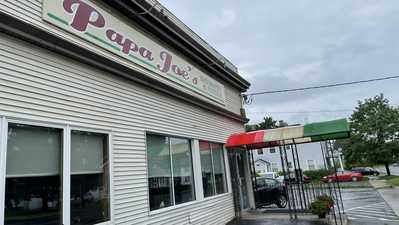 |
| Papa Joe’s Ristorante will be celebrating 35 years in business. |
PITTSFIELD, Mass. — "We’re a lot more than just pizzas and subs."
That’s how Paul Colombari, owner of Papa Joe’s Ristorante on Newell Street, wants customers to view his restaurant.
An Italian restaurant with relatively inexpensive and an extensive menu, Papa Joe’s has been serving Pittsfield and Berkshire County residents since October of 1986.
Colombari opened the restaurant with his wife Sherry, bringing in most of his own restaurant equipment and cooking most of the food himself, at least in the early days.
"I always knew that this was what I wanted to do," Colombari told iBerkshires.
This gave him the inspiration to open the restaurant 34 years ago.
"For startup money, my father used his house" as collateral," said Colombari. "That was motivation not to fail."
He’s stayed true to this original motivation. Despite the shutdowns imposed by state and local governments due to COVID-19, Papa Joe’s managed to remain open without laying off any employees.
Colombari attributes this success to his commitment to using fresh ingredients and making as many things as possible from scratch. For instance, the Italian bread and sub rolls that Colombari sells are homemade, and he bakes them fresh every morning.
"Whatever I can do homemade, I try to do," he said.
Another draw for Papa Joe’s is its relatively low prices. This is by design.
"My idea when I first got in the business was, you know, be affordable, and put out good food, and it’s what my father always wanted me to do," he said.
Papa Joe’s also has a diverse menu, encompassing cuisine spanning the Italian peninsula.
"My father’s family came from Sicily," Colombari explained. "My mother’s family came from northern Italy. So there [were] two different types of cuisine."
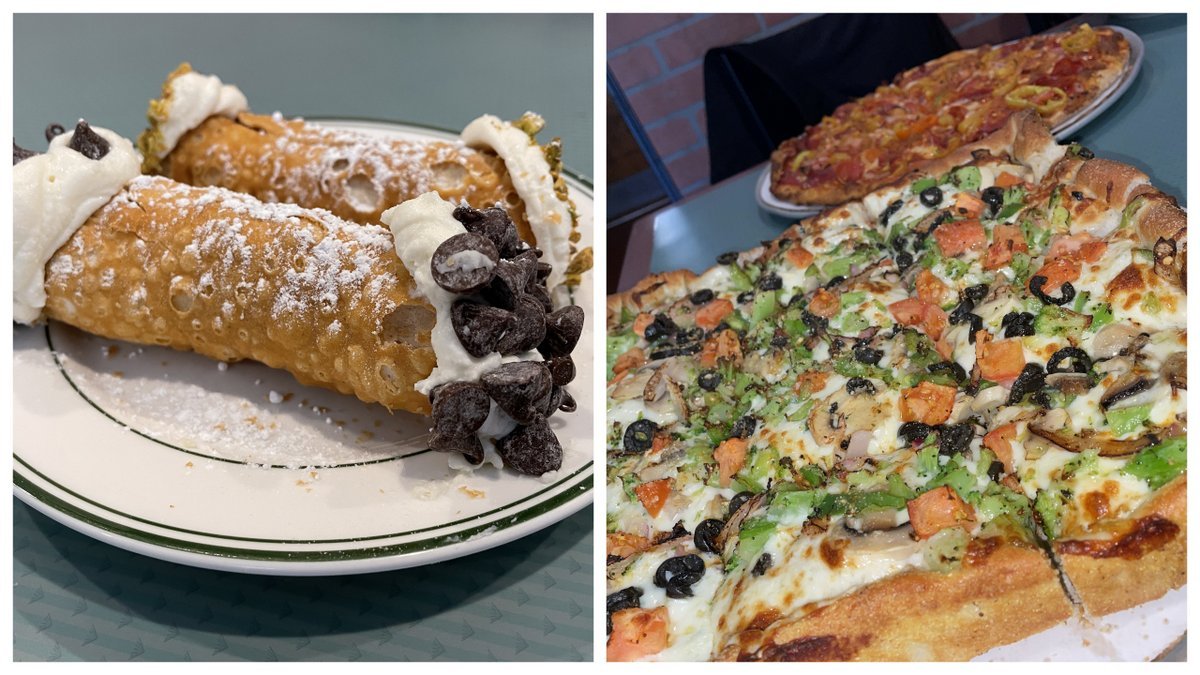
This explains why Colombari sells white pizzas, a staple of Sicilian cuisine, but also traditional pizzas with red sauce.
Moreover, Papa Joe’s has a hand-tossed thin crust, a Sicilian thick crust (the pies come in a square shape), and even a Chicago deep dish. Colombari attributes this to a pizza he had while in Chicago, which he decided to make back home. He also recently added a gluten-free cauliflower crust, which has become very popular as of late.
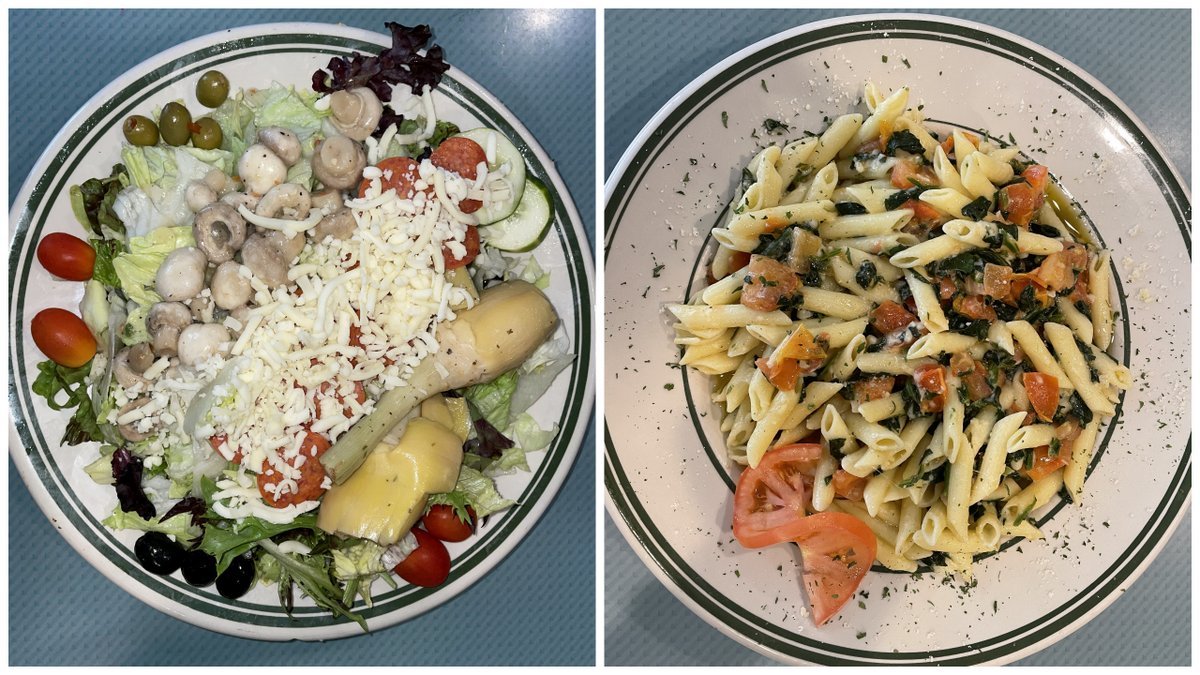
In addition to pizza, subs, and pasta dishes, Papa Joe’s serves burgers, heaping salads, and even a prime rib dinner. Colombari also offers family meals that serve four starting at $19.99, which consist of your choice of pasta, salad, and breadsticks. Papa Joe’s also serves specialty family meals, including baked ziti, chicken parmesan, and eggplant parmesan, to name a few.
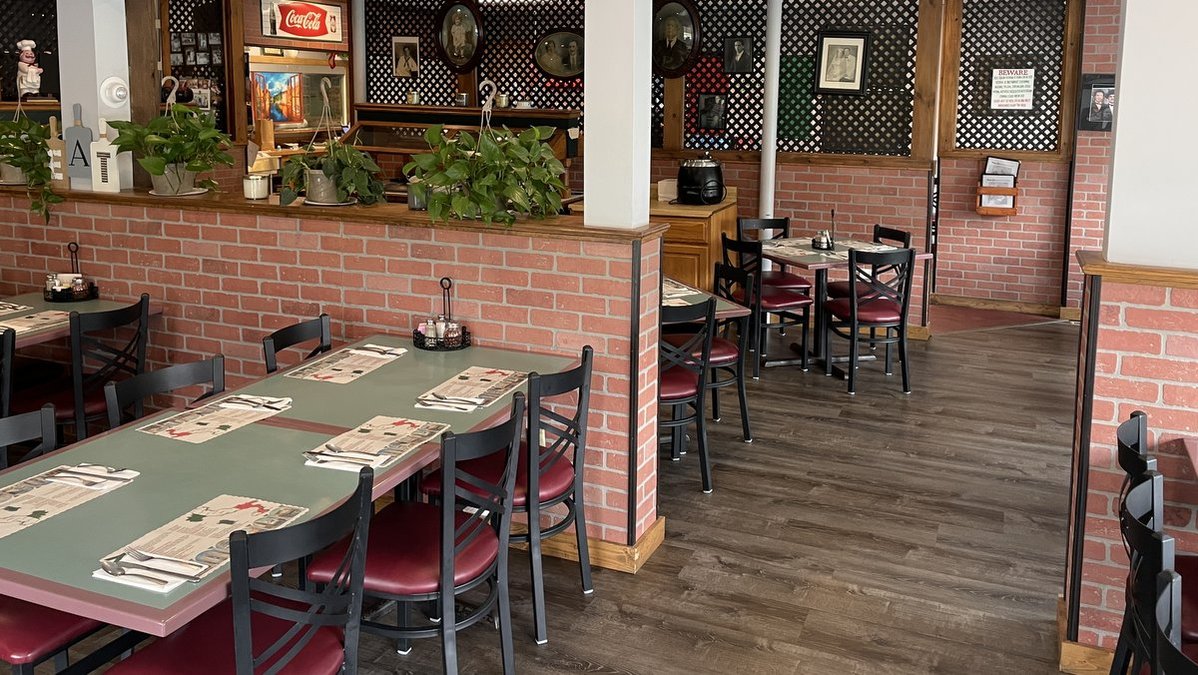
These dishes, along with all the other menu items, are available for both takeout and delivery. Papa Joe’s also has a recently renovated dining room, which hosts buffets for lunch and dinner and full-service dining. Colombari expects to open the buffet again soon, which he closed due to COVID.
The passion that Colombari has for his restaurant is evident from the way he describes the food he makes. He arrives early in the morning to roll out the bread from the night before, and even has his entire family come to the restaurant to make thousands of Italian cookies from scratch, which he sells during the holiday season. Most of the recipes were handed down from
generations of Italians on both his mother’s and father’s side.
Colombari had extensive experience running pizza shops in Pittsfield, but also worked in fine dining in Washington, D.C. While he was down there, though, he said he "always was pulled to come back home" to Pittsfield.
And come back he did. Papa Joe’s will soon celebrate its 35th anniversary, all that time serving homemade Italian cuisine at a low cost. Stop by for a pasta dinner, a gigantic salad fit for two, and a selection of homemade cannoli, as well as their signature cannoli pie. This latter dish comes in three varieties: cookies and cream, raspberry, and traditional cannoli-style chocolate chip—each of which is homemade.
"Everything here is fresh and quality food," he said.
Papa Joe’s is open Monday through Saturday from 11 A.M. to 10 P.M. and Sundays from noon to 10 P.M. Visit their website here and their Facebook page here. Follow Papa Joe’s on Facebook for daily and up-and-coming specials.

Tags: pizza,