Homelessness Committee Asked to Identify Service Area Gaps
PITTSFIELD, Mass. — The Homelessness Committee is being tasked with identifying gaps in the city's response to helping those who are unhoused.
For its next meeting, committee members were asked to provide recommendations for Mayor Linda Tyer on how to use a portion of newly acquired American Rescue Plan Act funds or Community Development Block Grant funds to address the issue that has been especially prominent in Pittsfield for over a year.
At its meeting on Tuesday, which was the first since June, members identified providing trauma-induced care and school transportation for children of homeless families as possible uses for the funds.
Ward 7 Councilor Anthony Maffuccio said the top priority should be the panel's purpose, which is housing homeless individuals.
"The money that I would like to see spent is designed on what we are here for," he said. "And that is finding permanent housing solutions and supportive efforts to ServiceNet, and being able to just take care of our homeless people because we all know that we have upwards of 70-plus homeless people in this community, if not more, by this time."
Maffuccio also pointed out the need for trauma-induced mental health care, especially for homeless folks.
"Unfortunately, there is a shortage of that type of personnel," he said. "Hopefully, the city could inspire people somehow, one way or another, because we're really limited to just the Brien Center at this time, I believe, and a few other little small agencies."
School psychologist Ann Marie Carpenter said school transportation has become a huge issue for homeless families with children. She said the school relies on the McKinney–Vento Homeless Assistance Act but there is still a limited amount of transportation due to a lack of staff.
Director of Community Development Deanna Ruffer added that during the city's four ARPA fund hearings, residents voiced concerns about the programs canceled or suspended during the pandemic that served vulnerable populations.
Carpenter also suggested that ARPA funds could be used to pay mental health support staff rather than having it go through a third-party billing agency.
"I think that with the lack of mental health and substance abuse providers in Berkshire County, maybe we could explore with the American Rescue Act money is to not have agencies have to rely on productivity and individual third-party billing for them to be involved," she said.
"So perhaps there could be staff at sites whether they are sites where folks are eating meals or the shelters, and then those times are purchased through the American Rescue monies rather than relying on Medicaid billing because I think that that really could slow down the amount of access."
Ruffer gave a presentation to the panel about the city's efforts on a "coordinated homelessness response" and how American Rescue Fund Acts funds may potentially be used to assist them.
In a working group consisting of local officials, practitioners, and housing agencies, she said it was "very quickly agreed" that there is insufficient housing of all levels and types in Pittsfield but particularly for those who are housing insecure or homeless.
On top of that, they agreed that those who have housing insecurities often having underlying challenges that contribute to that and providing service to help those challenges is equally important as providing housing.
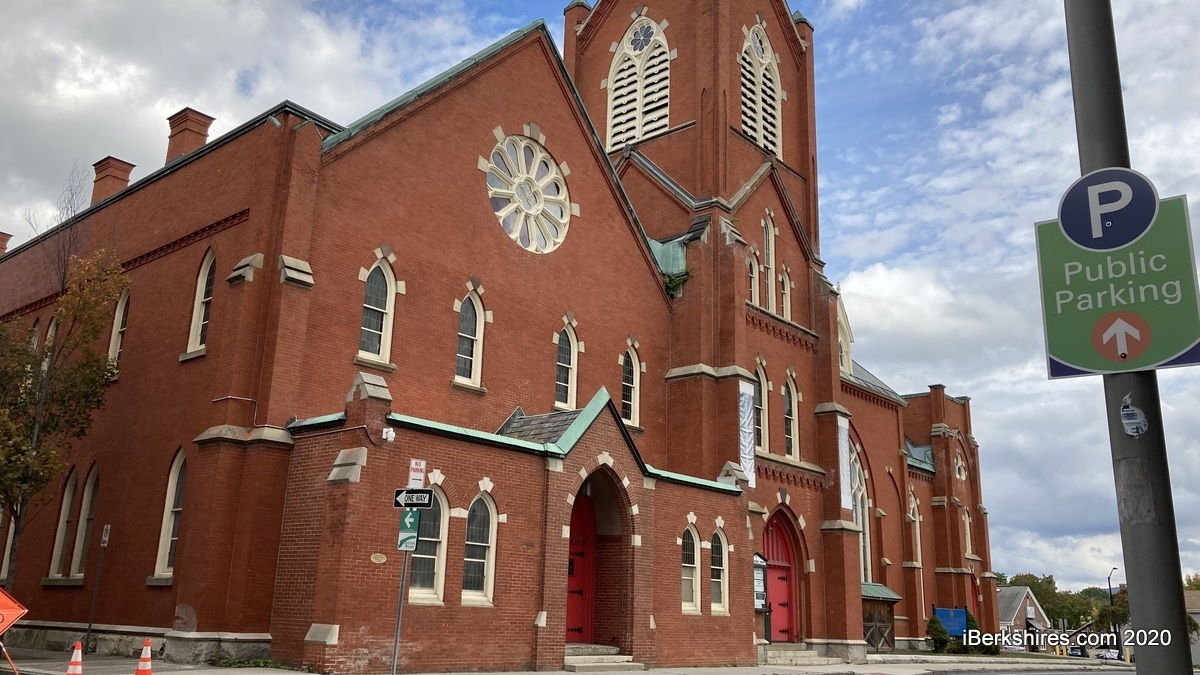
The city's highest priority is working with those involved in the shelter at First United Methodist Church on Fenn Street, which was approved by the Community Development Board one year ago.
"Because of COVID, the pricing, and the timing of that project has been dramatically impacted, and that's the conversion of the former school property to the shelter," Ruffer said.
"There's also challenges with capacity because of COVID, so we are working very diligently with that leadership to help them secure the funding needed to complete the new property renovations and get that shelter openness quickly as possible."
In conjunction with that, the city is working with another group of downtown property owners who stepped forward saying they are interested in looking for an alternative location for the shelter and were willing to provide all of the funding necessary to have it in a different location.
At the time there are a couple of alternative properties being discussed.
About a year ago, the city was identified as one of the four target communities to participate in an initiative funded by the state and managed by the Massachusetts Housing and Shelter Alliance and is working to develop a plan for the program for this fiscal year.
The city plans to contract with a Boston University specialist to develop an actual estimate for the number of additional permanent housing units that are needed for the single adult homeless population.
"This is a methodology that has been developed by a number of academic institutions across the country, and was used to estimate the commonwealth statewide," Ruffer explained.
Under MHSA, the city has also been identifying development consultants for possible housing projects because they require skills that go beyond the capacity of the city or Berkshire County Regional Housing Authority.
There is a point-of-sale property on upper North Street that would contain 40 units of affordable housing and eight to 16 units for homeless individuals. The city is working with the property to integrate support services into the project and on-site.
In conjunction with the Tri-County Continuum of Care and a Westen Massachusetts homelessness prevention association, the city is also working on identifying one or more hotels and motels that could be acquired for the purpose of permanent transitional housing.
Ruffer said these efforts have been largely spearheaded by herself and Community Development & Housing Program Manager Justine Dodds.
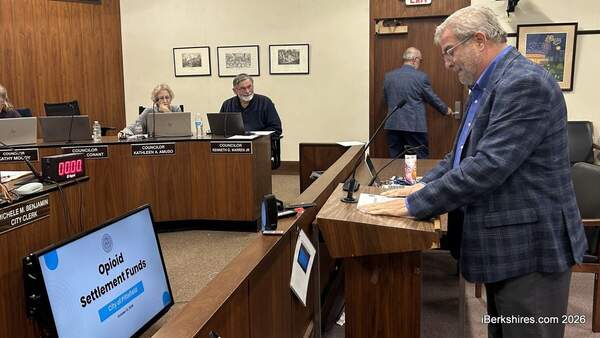
Maffuccio said he wished that this information was shared with the committee over its summer break so that they could be informed of committee activity. He also questioned the purpose of the committee, which has existed for almost a year.
"This committee has existed for 10 months now and the administration seems like they're circumventing this committee, all this information that has been provided by Director Ruffer today should have been put into some type of email to this committee since we took the summer off so we could have the information at hand," he said.
"How can this committee, which was formed to help the homeless, be able to perform that action, without the adequate information, if the administration is working behind the scenes, and not keeping this committee involved. My frustration is, what is the purpose of this committee? This committee has absolutely no purpose right now."
Ruffer responded that the administration is not holding back information and that these various initiatives are binding on the federal government.
Tags: homeless,