State's Low-Income Workers Getting $500 Premium Payments
BOSTON – A half-million low-income workers will start seeing $500 payments in the coming months from the COVID-19 Essential Employee Premium Pay program.
These payments represent the first round of funds to be distributed as part of the $460 million program, which was enacted in December when Gov. Charlie Baker signed a $4 billion spending plan for American Rescue Plan Act (ARPA) funds. These payments, worth $250 million, will be mailed to 500,000 people by the end of March.
"I was pleased to sign the COVID-19 Essential Employee Premium Pay program into law in December, and our administration has worked quickly to design the parameters for the program with plans to efficiently begin distribution of these payments by the end of March," said Baker in a statement. "This program will support those workers who served our communities, especially early in the pandemic."
The law provided for the administration to design the program and develop eligibility parameters to quickly provide funds to qualified workers across the commonwealth. Based on filed 2020 Massachusetts tax returns, individuals will be eligible for payments if their income from employment was at least $12,750 and their total income put them below 300 percent of the federal poverty level.
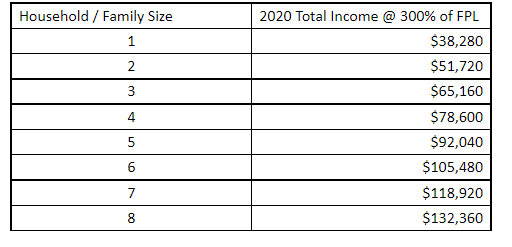
The lower bound of this range equates to working 20 hours a week for 50 weeks at minimum wage of $12.75 as of 2020. The federal poverty level is set by the federal government and increases with household or family size. For example, the maximum total income for a single filer with no dependents will be $38,280; a resident who files with a spouse and two dependents, or with no spouse and three dependents, could be eligible with a household income up to $78,600. Married filers can each be eligible, provided each independently qualifies.
Individuals who received unemployment compensation in 2020 will not be eligible for the first round of payments, nor will the commonwealth executive branch employees who received or will receive a one-time payment from the state as their employer.
The legislation creating the Premium Pay program included $500 million for low-income essential workers; this $460 million program comprises the majority of those funds, and $40 million was allocated to fund previous agreements with state employee unions. Additional information on plans to disburse subsequent rounds of funds after March will be released in the future.
Based on the parameters, the below chart indicates eligibility for these payments by household size:
Tags: COVID-19,
More Coronavirus Updates