Regional Transit Authority Anticipates $9M FY23 Budget
PITTSFIELD, Mass. — Berkshire Regional Transit Authority expects to see a $9 million spending plan next fiscal year, an increase of $365,000 from the previous year.
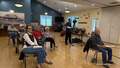
On Thursday, the Advisory Board approved a draft FY23 budget of $9,011,963.75 during an in-person meeting at the transit authority.
The budget also had a review from the Finance Committee earlier in the week.
It includes an anticipated $25,601 increase in local grants, a $561,886 increase in federal grants, and a $281,103 decrease in state grants.
Executive Director Robert Malnati said the state budget is "not going very well" because it doesn’t look like the regional transit authorities will get the $7 million increase that was requested.
The state allocation is conservatively budgeted based on $94 million for the RTAs, he explained, even though they are looking for a total of $101 million. That number includes a $94 million base, $3.5 million for cost of living increases, and an additional $3.5 million for workforce retention.
To add the additional $7 million, the Senate would need to add language from the House Ways and Means Committee amendment.
"We budgeted under our state contract conservative number at the $94 million level," Malnati said.
"We certainly didn't put anything in the [$101 million] that we were asking for, we hardly ever get that so we were conservative on that point."
Another amendment was put in on the Senate side to add $2.5 million in discretionary grants but didn’t make it to the House, he added.
Ridership has increased to 90 percent of pre-COVID-19 levels for the BRTA.
"Our ridership had another uptick through April, we’re at 18.5 percent above where we were that same period last year," Malnati reported.
"So a little shy of 50,000 more trips, things are opening up, people are traveling more."
BRTA is proposing a 4 percent wage increase for its staff totaling about $10,400. Medical premiums are expected to raise up to 15 percent along with an increase in pension premiums, which caused an increase of about $17,300.
During the meeting, Malnati — who is on the steering committee for the Berkshire Flyer — reported that there has been a vendor contracted to have a couple of vehicles at the station to transport people from the passenger rail service, one going north and one going south.
In April, it was announced that the long-awaited connection will start to provide weekend transportation between the New York City and Pittsfield.
The line is being run by Amtrak in conjunction with the Massachusetts and New York Departments of Transportation over the next two years. The Berkshire Flyer will include a Friday afternoon departure from New York's Penn Station to Pittsfield via Albany-Rensselaer in New York. A return trip will be provided on Sunday afternoons. Each train will make several station stops.
Tags: BRTA,