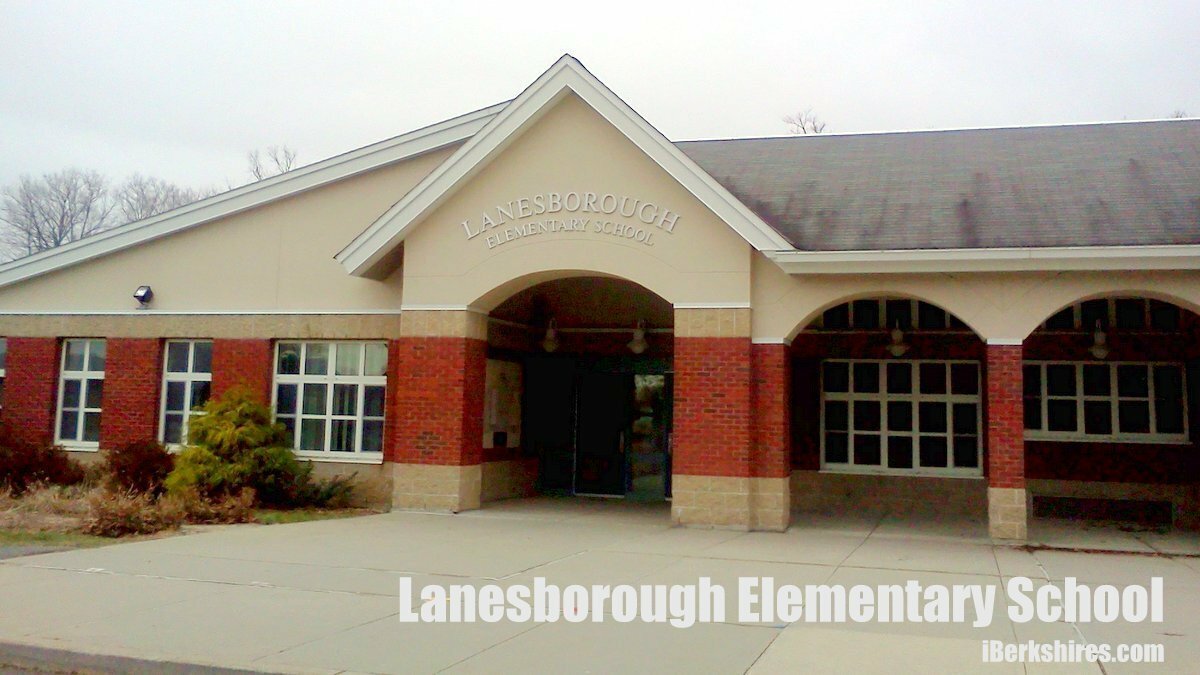
Mount Greylock, Lanesborough Hope to Use ARPA Funds for Boiler Replacement
WILLIAMSTOWN, Mass. – The Mount Greylock School District is working with the Town of Lanesborough on a plan to replace a failing boiler at the elementary school using American Rescue Plan Act funds.
Superintendent Jason McCandless Thursday told the School Committee that one of the two boilers original to the 20-year-old PreK-6 school “has had a system failure.”
“Our boiler folks … said with the parts we could bring in, it’s unlikely they’ll form the efficient seal needed to have the boiler work efficiently, or perhaps work at all,” McCandless said at the committee’s July meeting.
The good news is that Lanesborough Town Administrator Josh Lang has a plan to find the $50,000 needed for a new boiler. And that plan is on the agenda for the town’s ARPA Committee at its Monday 3:30 p.m. meeting.
Under the regional agreement between Mount Greylock member towns Lanesborough and Williamstown, the district is responsible for capital improvements up to $5,000; larger projects at the two elementary schools, which were built by the towns before the district was fully regionalized on Jan. 1, 2018, are the responsibility of the towns.
The bad news is that even with the ability to fund the replacement, the district will not be able to have a new boiler in place until at least February, McCandless said.
“We are going to put the [existing] boiler together, patching it together as best we can, using it as lightly as we can except on the very coldest winter days, hoping to nurse it along so it does not have a complete failure before February, when we can get the new boiler installed,” McCandless said. “This is another story of how the supply chain is continuing to haunt many industries.”
School Committee members pressed McCandless on what contingency plans are in place if the old boiler – even lightly used – cannot do the job long enough to bridge to a new heating unit.
“Given what we know about supply chain issues, it’s likely ‘February’ will turn into something in the distant future,” Carrie Greene said.
McCandless agreed and said that the district has assurances from its contractors that the original boiler can be patched up and serviceable and that it would be subjected to “many tests” before the cold weather months.
“We are looking at what is allowable by building codes and by fire officials locally in the state around what some acceptable Plan Bs might be or Plan C or Plan D, if the absolute worst comes to worst,” McCandless said. “We do not have Plan B and C ready to roll out and speak about what might happen, but we are looking into that.
“And it’s likely that whatever Plan B and C and D are, they might have their own supply chain issues. So we realize the clock is ticking on that.”
Jose Constantine asked whether the district had been keeping up with the regular maintenance on the failing boiler.
“Yes,” Business Administrator Joe Bergeron replied.
“In terms of this situation in particular, the boiler had a minor leak in the winter time. The HVAC contractor and manufacturer came out and addressed it. During the post-season cleaning of things, they recognized that the potential leak had expanded significantly.”
Bergeron said the district has been advised that the make and model of boiler in question has an expected lifespan of anywhere from 20 to 30 years. LES opened in 2002.
“There was no perfect crystal ball for this,” Bergeron said. “But picking it up at the tail end of the season was really the best possible scenario given the circumstances.”
Bergeron said that in a perfect world, the district would have enough money to replace all equipment on a schedule that precedes each unit’s expiration date. Or, failing that, the district could have a well-stocked reserve fund of cash available to replace equipment as it expires.
“The third best situation is to have a partnership with a town where, the minute something happens, we can respond quickly and find a solution, which is what we’ve been able to do here,” Bergeron said. “Josh [Lang] and Jake [McCandless] have worked together since the problem was first spotted, and it’s gone very well so far.
“In terms of [the district] having funds available, no town typically wants you to appropriate money and said, ‘This is just contingency funding.’ But, in an ideal world, there would be additional funding already earmarked for this situation. Depending on the town’s free cash, that would be the next place you typically would tap into, or a Finance Committee Reserve Fund. The ARPA funds, right now, are clearly the best solution because they are short-term, they are available and they are geared toward this type of work.”
It was noted at Thursday’s meeting that Williamstown Elementary School, which also opened in 2002, continues to draw on proceeds of a $1.1 million capital gift given to the school by Williams College when that building was built.