Administrators Push for Taconic's Transition to All Vocational
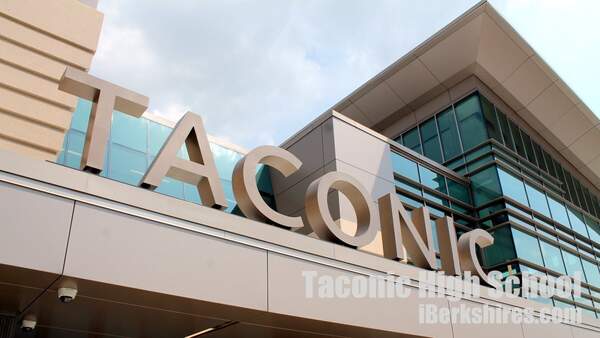
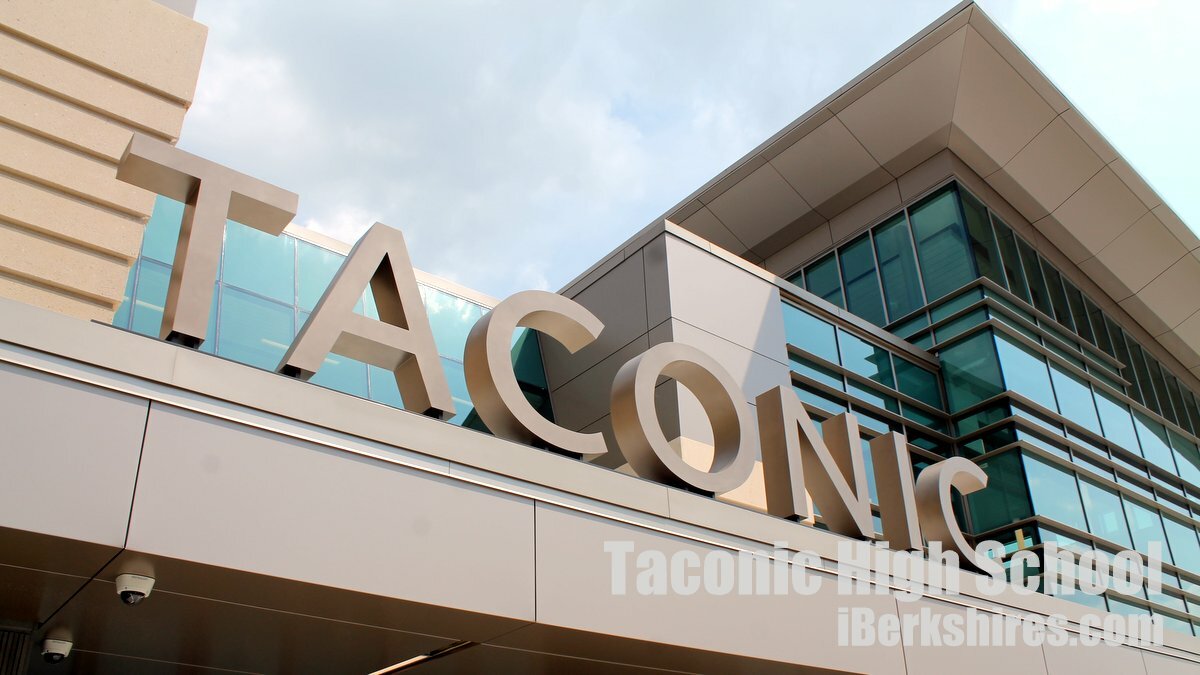
PITTSFIELD, Mass. — District leaders continue to push for Taconic to become a vocational school, reporting that the four-year-old facility is quickly outgrowing the secondary model.
The School Committee at its last meeting continued this conversation that started about two years ago. In March, it was recommended that the school move toward the all-vocational model beginning next year.
The transition would start with Taconic only accepting Career Technical Education (CTE) students in the fall of 2023. Non-CTE students in Grades 10 through 12 would remain at the school and by the fall of 2026, the whole student body would be vocational.
"Taconic High School is growing out of its building capacity to serve all secondary students who want CTE," Assistant Superintendent for College and Career Readiness Tammy Gage said.
"Thereby reducing access to our own Pittsfield students who want to enter a vocational program, including students who would already be attending Taconic High School."
Pittsfield High would receive roughly 40 to 60 non-CTE students from the Reid Middle School district, said its retiring Principal Henry Duval. He explained that this would allow the students to have more scheduling choices and would balance the shrinking class sizes that PHS has experienced since the new Taconic opened.
Duval also reported that PHS is looking into adopting programming that is designed for non-college-bound students. Before the pandemic, PHS faculty began the process of talking about "clusters" or "pathways" for such students and plans on designing what they will look like once new Principal Maggie Esko takes over in the fall.
Various "myths" about Taconic's transition to a vocational school were addressed including concerns about enrollment, that CTE is not as academically challenged, and that it does not prepare students for college.
Taconic Principal Matthew Bishop said enrollment is the driver of the conversation.
"We said this last time, [it] was the problem we had hoped for when we envisioned this new school building," he said. "So here we are going into our fifth year of the new building and we are full."
In the last four years, the increase in just CTE students is 327 and in the coming school year's freshman class there are only 45 non-CTE students in a class of about 250.
Bishop explained that there has been a push to modify language when talking about the two kinds of pathways. When conversations first began, they were described as CTE or academic classes.
"We realized that that's not true. CTE is extremely academic, as we talked about here. A CTE student has the same basic requirements as any student in Pittsfield Public Schools," he said.
"We rewrote the graduation policy in 2014 to include Common Core, take into account what our students needed, and we really want to stress this because our non-CTE students and our CTE students have the same requirements to graduate in Pittsfield Public Schools."
He added that the point the administrators want to make is that vocational schooling does not do less and is a rigorous elective pathway that has lifelong benefits.
Gage reported that each of the school's 13 vocational programs has an articulation agreement with one of more colleges, tech schools, or apprenticeship programs and relayed information from a Berkshire Benchmarks report that showed an increase in jobs and people moving to the area.
"Our graduates are part of that promising data trend," she said.
Berkshire Benchmarks also reported that the county has more students going to two-year colleges than four-year universities.
Over the next school year, the district plans to invite parents, potential students, and community stakeholders to further discuss the change. The policy subcommittee may be consulted to examine access and equity concerns.
"We want every student to have a positive, challenging, and rewarding high school experience and we believe that both of our high schools are at a promising point in Pittsfield history," Gage said.
"One that engages all of our students, strengthens our local economy, and gives back to the community that made investments in our students."
School Committee member Sarah Hathaway shared an interaction she had with a student who was outside Taconic while she walking her dog. He told her that the only reason he goes to school is to weld.
"This is so exciting for Pittsfield," she said.
Fellow member Daniel Elias asserted that the physical plan of Pittsfield High School has to be addressed and Superintendent Joseph Curtis assured him that a full analysis of the building is part of the restructuring study.
Tags: Taconic High, vocational program,