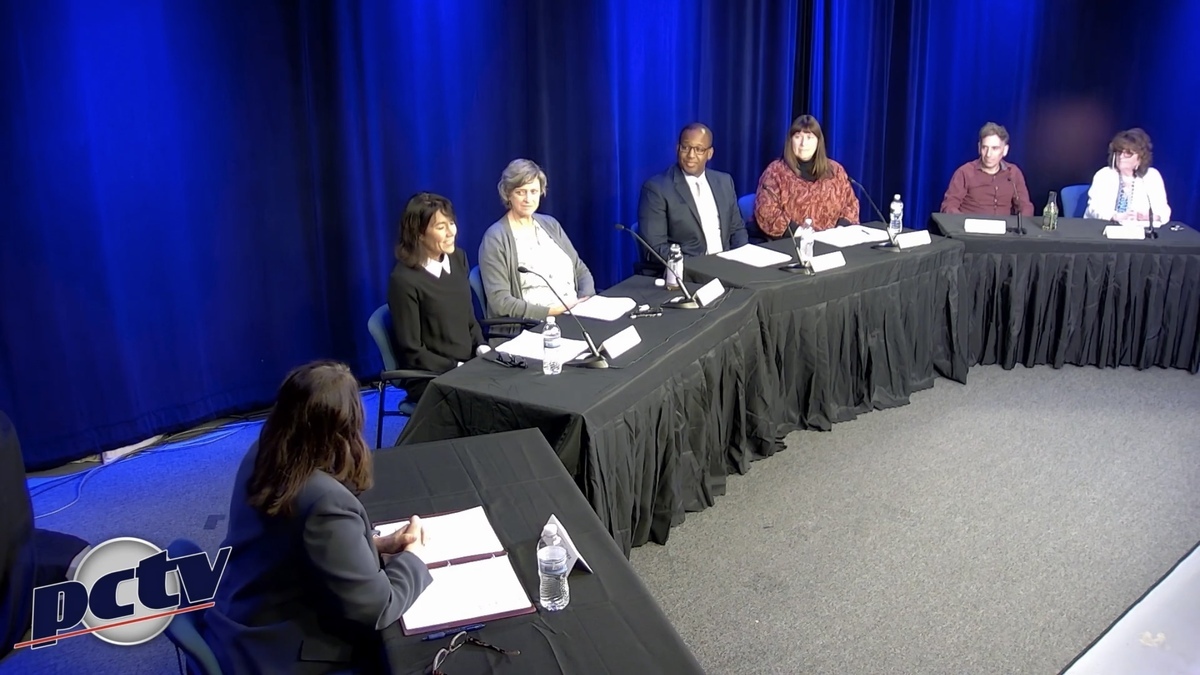
Pittsfield Officials, Service Providers Discuss Homelessness in PCTV Forum
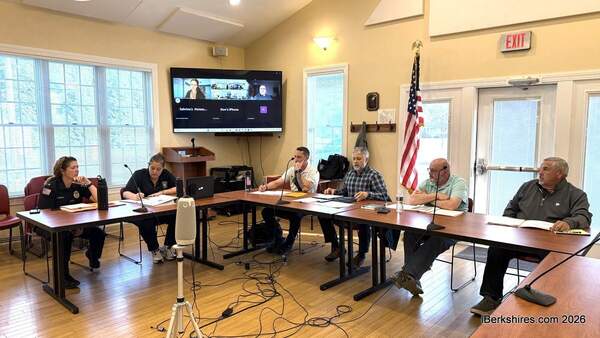
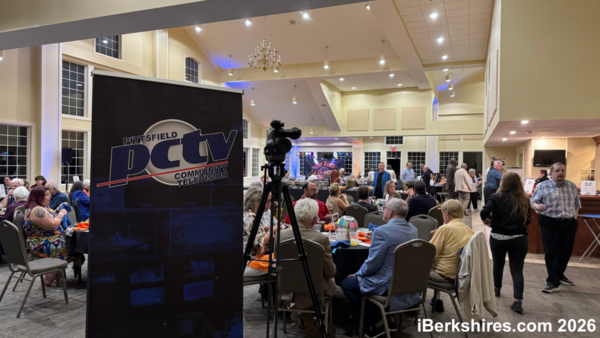
PITTSFIELD, Mass. — City officials and service providers covered a range of topics related to homelessness during a forum last week hosted by Pittsfield Community Television.
"I think it's important to start by centering today's conversation on people and it is people who for a variety of reasons are vulnerable in our community," Mayor Linda Tyer said. "They are neighbors, and they belong in our community and as you'll hear in the course of our conversation today, this incredible team of hardworking, dedicated, experienced seasoned professionals have a lot to tell us and teach us about how we go forward together as a community."
The conversation covered current conditions for homeless residents to affordable housing and homelessness prevention.
Tyer began with an overview of the city's efforts to aid unsheltered residents, which are fueled by an $8.6 million allocation of American Rescue Plan Act funds.
Panelists included Tyer, Director of Community Development Justine Dodds, President and CEO of Berkshire Housing Services Inc. Eileen Peltier, Executive Director of Second Streets Second Chances Jason Cuyler, Program Director at ServiceNet Erin Forbush, Executive Director of Berkshire County Regional Housing Authority Brad Gordon, and Kim Borden of Berkshire County Regional Housing Authority (BCRHA).
The city has been operating a temporary emergency shelter at the former St. Joseph's High School since the beginning of the pandemic. The capacity is currently set at 50, whereas the city's shelter formerly operated at a 20 percent capacity that doubled in the winter.
It operates from 4 p.m. to 8 a.m. during the week and 24 hours on the weekend.
Forbush appreciated having the opportunity to talk about the conditions of the shelter, explaining that people hear many different stories or have questions about it.
"Once people do come in, we recognize the trauma and the insecurity that goes with not having a place to put your head at night to put your belongings so we really try to welcome them in," she said.
She pointed out a common misconception that the shelter does not accept people with substance use disorder.
"We recognize that for many folks that come in, substance use can be an issue, mental health can be an issue, and trauma, in general, is an issue," Forbush said. "So we understand that people have different coping skills out there and we do our best to deescalate situations to help people to whatever that next step is for folks, but we certainly don't say if you come in and you appear to be under the influence that you can't be here. It's really if you can tolerate the other folks in the shelter and we can have a safe space, then everybody is welcome."
She also said that people can leave their belongings at the shelter if they intend to come back.
The BCRHA representatives described the organization's homelessness prevention programs that aim to address housing insecurity before it becomes dire.
"Homelessness prevention program really is effective in a lot of different ways. It's fiscally effective because if you can catch people before they're in a more significant crisis, the interventions typically are a little bit cheaper and from a human standpoint, it's better if you can keep people housed and keep them from experiencing those cycles, whether it be episodic or chronic homelessness," Gordon said.
"And so, the city for many years, including this administration, has worked hard to invest in services that promote homelessness prevention. And they include legal and housing counseling, housing, mediation, intensive case management, and a variety of other interrelated services that really work with the tenant, often their landlord, and sometimes even homeowners to ensure that if they're having difficulties whether they be economic, behavioral, or a combination of those together, that we're able to develop effective mitigation strategies to keep them housed."
The rapid rehousing and diversion program helps folks review what resources they have in the community to prevent them from being homeless and assists in housing searches.
"Additionally, we work with folks in this program who are homeless, on the street homeless. We have a comprehensive assessment that we go over with folks to get a really good sense of where the needs are where the gaps and services are, trying to plug those supports in place and assist them with finding housing that's affordable to them," Borden added. "We're fortunate. We're allowed a small stipend so that we can assist with the first month's rent and security and we're able to turn that around in two weeks rather than some of the longer periods of time so that makes it more of a draw for the landlords."
Affordable housing is categorized as totaling no more than 30 percent of a person's income towards rent and utilities. Gordon said that around 50 percent of the households are paying more than 50 percent of their income towards rent and that fact alone can be "incredibly destabilizing."
Along with the housing authority's efforts for affordable housing, the city has created an Affordable Housing Trust and is holding a lottery on a renovated home that was acquired through the tax title foreclosure process.
Dodds said that there are a number of different initiatives that try to address this kind of foreclosure but in this situation, Community Development Block Grant funds were used to rehab the home. It will be made available through the purchasing office for a first-time homebuyer that meets income eligibility guidelines and the buyer will pay just 30 percent of their income towards the housing costs.
"I think it's really important, just for a moment to emphasize the complexities of the city taking someone's property. We often hear 'there are so many vacant houses, can't you just put people into these houses?' It seems like an obvious solution but it isn't quite that simple because those houses continue to be privately owned, or they're part of an estate or they are embroiled in some legal challenges," Tyer explained.
"And sometimes it takes us two or three or four years to take a home through tax title and to do what we've done with this particular property. So I think it's important for the community to understand that even though it might be vacant, it's still privately owned. It still belongs to someone and we can't just go in and occupy that property or take that home without there being some sort of a legal process which can be rather lengthy."
The panel also discussed the Sheriff's Office Second Streets Second Chances program, which offers a wide array of post-incarceration services, case management, and workforce training. It received a $240,000 grant from the state and $700,000 in ARPA funding.
Cuyler reported that the program has seen 150 clients since March and has done a lot of collaborating with the housing authority for housing placements.
"This is a really exciting initiative that we've been we've been working on over the years, and it's nice to have this platform located in a centrally located area of Second Street where our men and women know," he said. "So you're getting out from a house of correction or you're returning to the area, you're justice-involved, you say 'come see us at Second Street.'"
Panelists pointed out that this program not only assists in preventing homelessness of post-incarcerated people but allows them to reenter the community effectively.
Tags: homeless, panel,