Round 2: Parks Commission Supports Pickleball in Springside Park
PITTSFIELD, Mass. — A Springside Park pickleball proposal has risen from the grave after the City Council scrapped its funding in 2019.
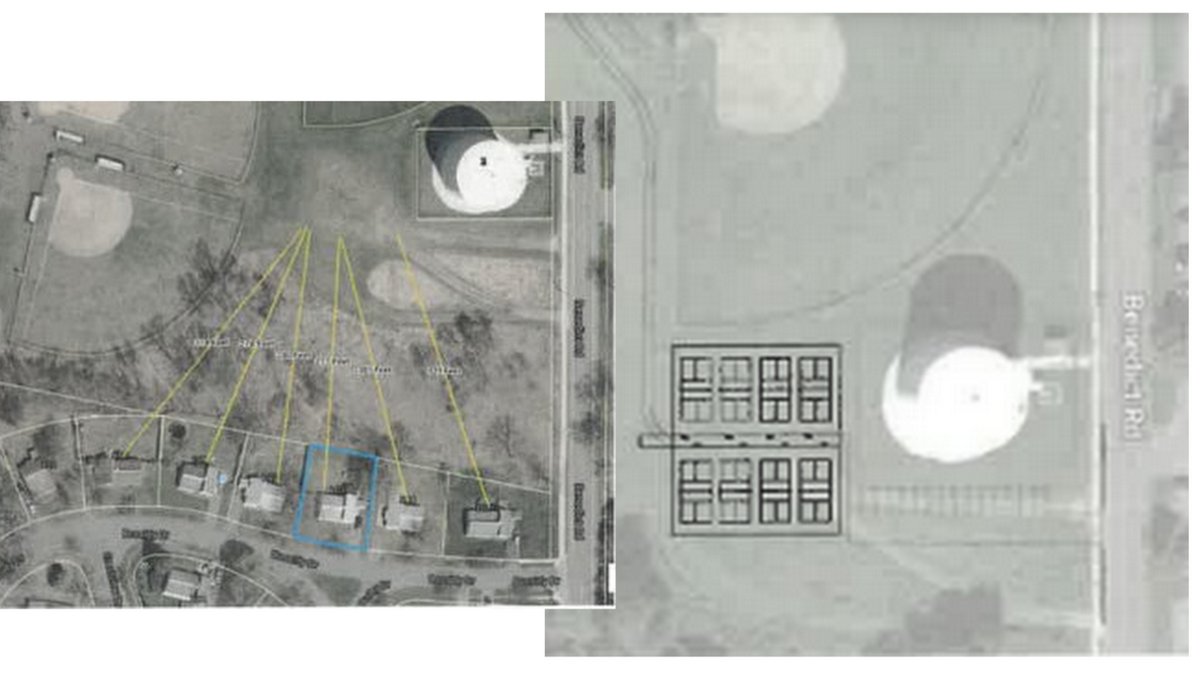
This time, the project is supported by $500,000 in American Rescue Plan Act monies and is positioned farther away from residential homes on Bossidy Drive.
Earlier this year, a site selection committee quickly narrowed down nearly 50 possible locations to six and landed on Springside as the best option for an eight-court facility in the northeast corner of the park. The decision was also endorsed by Mayor Linda Tyer.
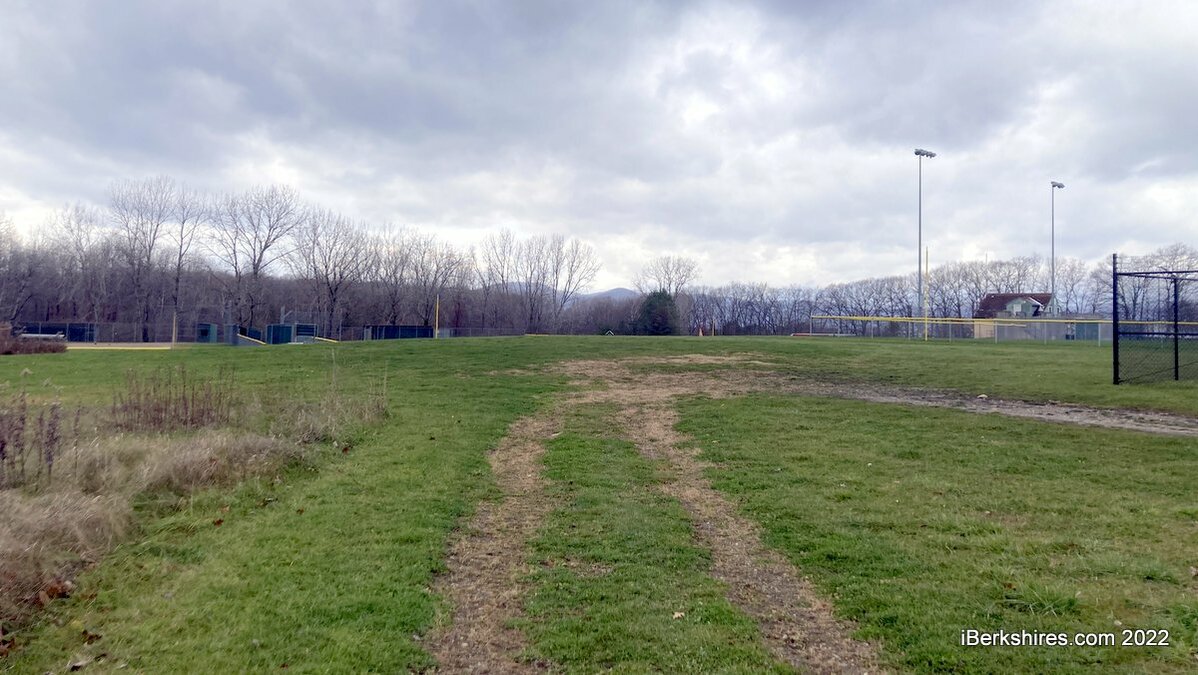
This is the approximate site of the previously approved pickleball proposal next to the Doyle Softball Complex and behind the water tower.
"This is, I think, just a natural extension of the development of quality recreation facilities here in our city," Park, Open Space, and Natural Resource Program Manager James McGrath said.
On Tuesday, the Parks Commission was presented with the pickleball site study report and voted in favor of the location.
Once the ARPA funds are ready to be used, Berkshire Design Group will develop the layout and construction plans to be brought back to the commission. Because the abutting property is a Pittsfield Housing Authority neighborhood, notifications will be sent out through that entity.
McGrath would like to see the courts under construction as soon as the ground thaws in the spring.
The selection committee was appointed over the summer and began by considering all parks, conservation properties, and school grounds.
Schools and conservation areas were almost immediately disqualified and six possible sites remained: Lebanon Park on Lebanon Avenue, Springside Park on Benedict Road, Lakewood Park on Newell Street, Burbank Park on Valentine Road, Marchisio Park on Dalton Division Road, and the East Street Softball Complex.
Members considered the surrounding neighborhood, co-location compatibility, availability of parking, and environmental aspects of the location.
McGrath explained that this part of Springside was chosen as a favorable option because it has existing development on it, accessible restrooms, a curb cut, and space for another parking area. It also requires no grading, which is seen as a real benefit.
Committee member Marie Richardson said this was "by far" the best option.
"The land was flat, it's kind of behind the water tower, it's easily accessible to the community," she said. "A lot was talked about schools having access to it, kids after school, it being accessible to the neighborhoods."
Richardson is a part of Berkshire Mountain Pickleball Association that has more than 300 members and reported that everyone she has talked to is "very excited about it."
Bernie Mack of the Springside Park Conservancy said the group was concerned about the funding taking away from other projects with the original proposal a few years ago. He said it is "a great site" for the pickleball courts.
Pickleball combines elements of tennis, badminton, and ping pong and is suitable for singles and doubles. It has recently grown in popularity with the Sports and Fitness Industry Association estimating 4.8 million current players, which is almost double the number of players five years ago.
Four pickleball courts comfortably fit within one tennis court, making the proposed playing area about the size of two tennis courts. The recommendation comes with necessary associated gravel parking with an accessible pathway to the existing restrooms.
Noise-dampening mats on the fencing and vegetation of the south side of the site are proposed to mitigate noise pollution in the abutting neighborhood.
Board members highlighted the importance of community engagement and noise consideration.
"The site, we have approved it in the past and this is in fact an enhancement to it, I would say," member Anthony DiMartino said. "As long as the neighbors are engaged and it is designed to mitigate any impact to them."
McGrath assured the panel that the city wants to be a good neighbor and do everything possible to make sure there is no impact from the facility.
During the City Council open microphone, which was also on Tuesday, resident Daniel Miraglia called it a misuse of ARPA funds and would like to see existing conditions addressed before any developments are made.
In other news:
-
McGrath reported that he made contact with the New England Mountain Biking Association on the proposed pump track in Springside Park and they still have high interest in the project. The proposal was approved nearly a year ago and has been stalled for "various reasons," he said. A group of opponents said the project would ruin the natural beauty and ecology of the park and believe that mountain biking doesn't belong in Springside at all.
- The Wahconah Park Restoration Committee had a meeting last week to consider an owner-project manager to work with the panel and define what the project will look like. The committee has advanced a recommendation to Tyer and the OPM should soon be named.
Pittsfield Pickleball Facility Siting Study Final Report by iBerkshires.com on Scribd
Tags: pickleball,