image description
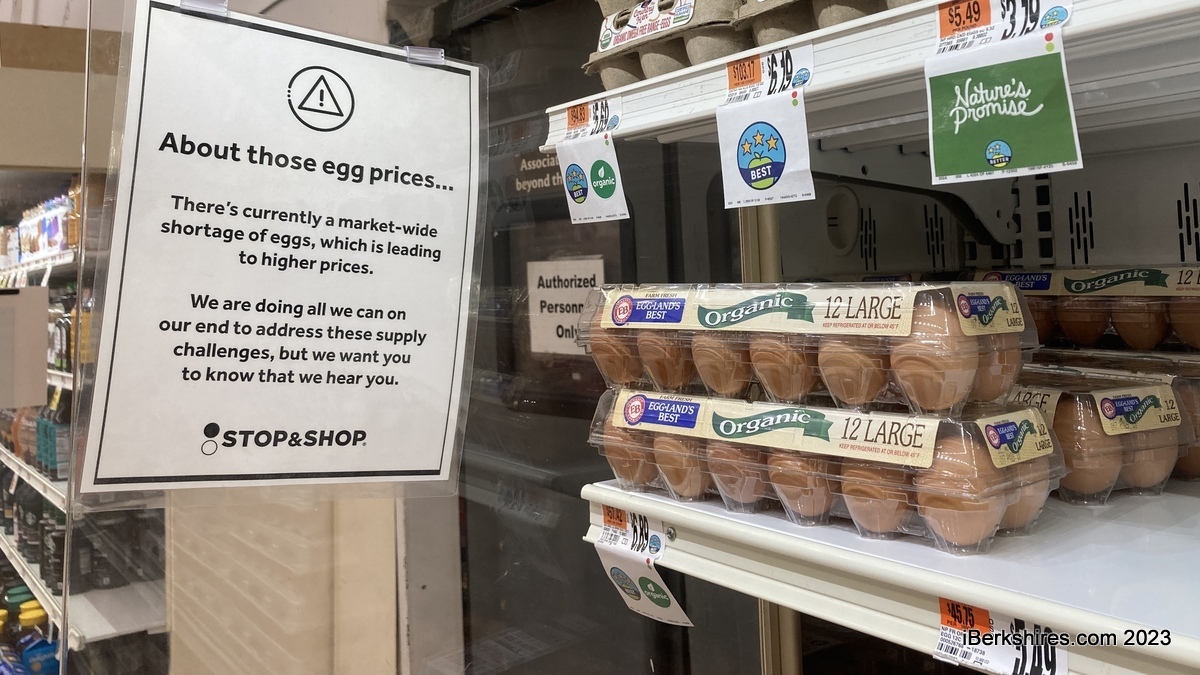
The petitioners pointed to the nationwide trend of skyrocketing egg prices as supporting evidence for the need of residential chickens.

Pittsfield Health Board Says 'No' to Chicken Permit Responsibilities

By Brittany PolitoiBerkshires Staff
Print Story | Email Story

PITTSFIELD, Mass. — The Board of Health does not agree with putting chicken permitting under its purview just to reduce the cost.

For months, Councilor at Large Karen Kalinowsky and resident Melissa Corbett have been trying to move the permit from the Zoning Board of Appeals to the Health Department because of permitting costs. Keeping six chickens currently clocks in at more than $500 and the petitioners say it could be a $25 fee under the Health Department.

Director of Public Health Andy Cambi and Health Board members are concerned that this new responsibility would overtax the department and do not see cost as a valid reason to make the change. This was restated on Wednesday.

"The idea that the recording fee is the biggest challenge and the financial cost is exorbitant seems like the issue to address," Chair Bobbie Orsi said. "So that I think is where this could go next."

Members suggested looking at the cost's source, which includes a deed attachment on the owner's home. Kalinowksy insists that her proposal is the only way to dramatically reduce the fee and it would not be too much of a burden on the department.

She said Police Chief Michael Wynn does not have a problem with the animal control officer responding to chicken complaints and citing people.  

There have been about 15 complaints in the past five years but board member Kimberly Loring argued that there may be more chicken owners -- and, therefore, more possible conflicts -- if the process is made cheaper.

Cambi found that most surrounding communities permit chickens under the ZBA and could not find any resources for subsidizing the financial piece. He believes that financial hardships with all permits should be addressed.

"It shouldn't be specific to one permit because a lot of our residents might have financial hardships with other permits," Cambi said.


"So I think finding a solution for all those situations would be good."

BOH members clarified that they are sympathetic to the cause of the petition but just want to make sure that all decisions are made in the best interest of public health.

"I have difficulty saying ‘Oh yeah, I think you guys should do it' because it's solely because of a financial hardship issue," Brad Gordon said.

"And that doesn't mean that we're insensitive to that financial hardship issue, it's just that I don't know if that's the most effective way to address it and it may inadvertently create other challenges or problems for the department itself."

Since the permit is a zoning function, he would rather address the underlying issue of cost that is directly linked to the recording requirement.

"I don't want to speak for everyone, but I think it sounds like we're developing consensus here that we don't think it belongs here," Gordon said.

"Yet we have empathy for and concern for the situation you're describing and I certainly would continue to problem solve with you."

Member Steve Smith said it would be a "sidestep" for the board to change the permitting authority rather than being part of an effort to change it.

"I'm not insensitive to the financial cost of this at all," he added.

"But I don't know, to me, it's still like people have said already, it's not an urgent public health issue. For me, it would tend to dilute some of the things that we're trying to accomplish."


Tags: chickens,   
If you would like to contribute information on this article, contact us at info@iberkshires.com.

Social Service Organizations Highlight Challenges, Successes at Poverty Talk

By Brittany PolitoiBerkshires Staff

Dr. Jennifer Michaels of the Brien Center demonstrates how to use Narcan. Easy access to the drug has cut overdose deaths in the county by nearly half. 

PITTSFIELD, Mass. — Recent actions at the federal level are making it harder for people to climb out of poverty.

Brad Gordon, executive director of Upside413, said he felt like he was doing a disservice by not recognizing national challenges and how they draw a direct line from choices being made by the Trump administration and the challenges the United States is facing. 

"They more generally impact people's ability to work their way out of poverty, and that's really, that's really the overarching dynamic," he said. 

"Poverty is incredibly corrosive, and it impacts all the topics that we'll talk about today." 

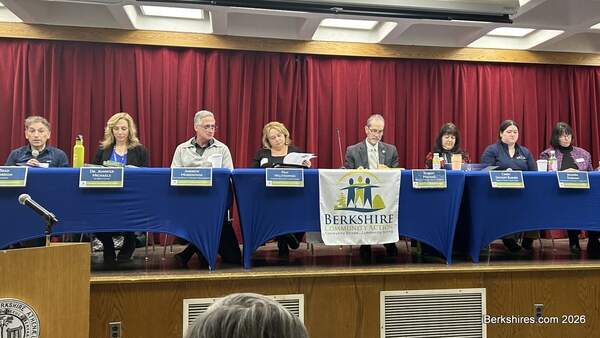
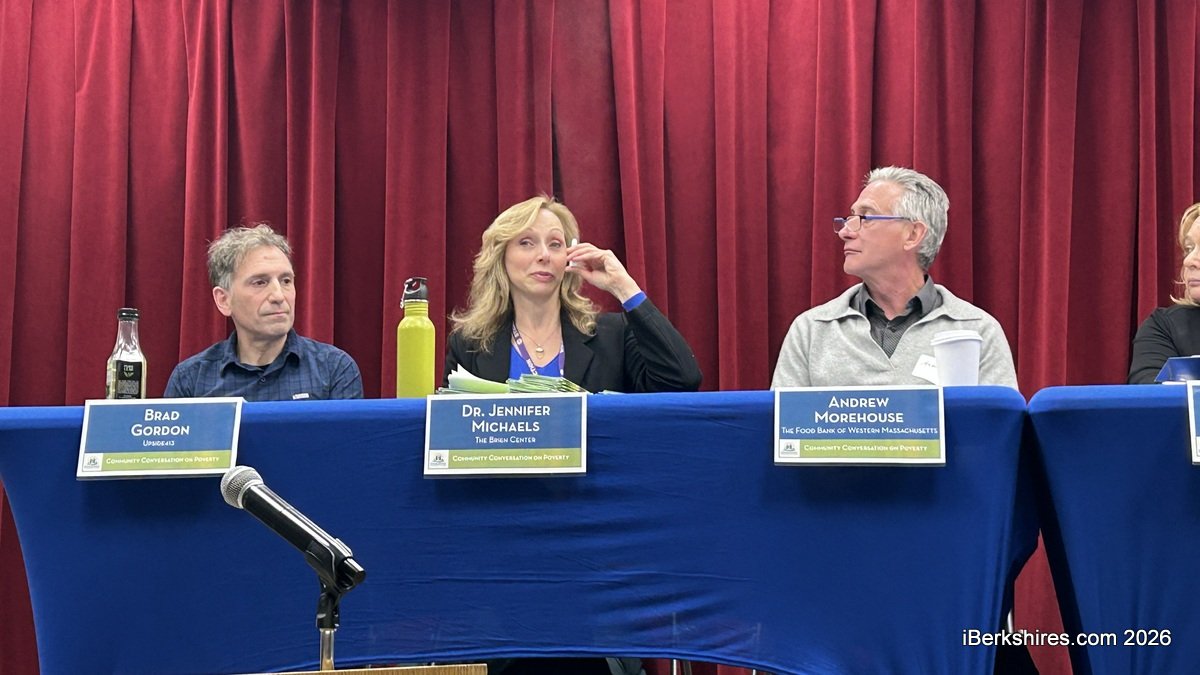
His comments came during a conversation on poverty hosted by Berkshire Community Action Council. Eight local service agency leaders detailed how they are supporting people during the current housing and affordability crisis, and the Berkshire state delegation spoke to their own efforts.

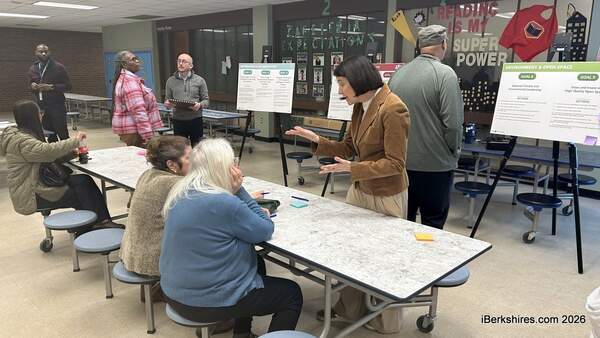
The event held on March 27 at the Berkshire Athenaeum included a working lunch and encouraged public feedback. 

"All of this information that we're going to gather today from both you and the panelists is going to drive our next three-year strategic plan," explained Deborah Leonczyk, BCAC's executive director. 

The conversation ranged from health care and housing production to financial literacy and child care.  Participating agencies included Upside 413, The Brien Center, The Food Bank of Western Massachusetts, MassHire Berkshire Career Center, Berkshire Regional Transit Authority, Greylock Federal Credit Union, Massachusetts College of Liberal Arts, and Child Care of the Berkshires. 

The federal choices Gordon spoke about included allocating $140 billion for the U.S. Immigration and Customs Enforcement, investing $38 billion to convert warehouses into detention centers, cutting $1 trillion from Medicaid over 10 years, a proposed 50 percent increase in the defense budget, and cutting federal funding for supportive housing programs. 

Gordon pointed to past comments about how the region can't build its way out of the housing crisis because of money. He withdrew that statement, explaining, "You know what? That's bullshit, actually."

"I'm going to be honest with you, that is absolute bullshit. I have just observed over the last year or so how we're spending our money and the amount of money that we're spending on the federal side, and I'm no longer saying in good conscience that we can't build our way out of this," he said. 

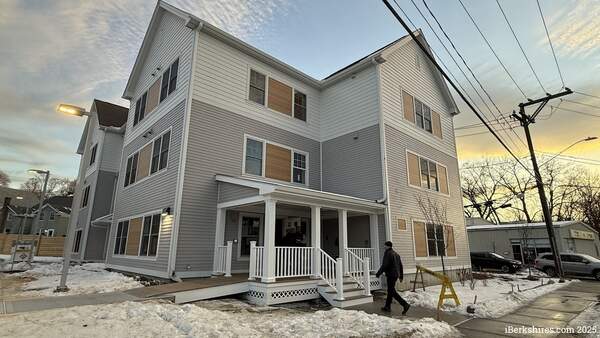
Upside 413 provided a "Housing Demand in Western Massachusetts" report that was done in collaboration with the University of Massachusetts at Amherst's Donahue Institute of Economic and Public Policy Research. It states that around 23,400 units are needed to meet current housing demand in Western Mass; 1,900 in Berkshire County in 2025. 

View Full Story

More Pittsfield Stories