Adams Seeking Owner of Hazardous Dam
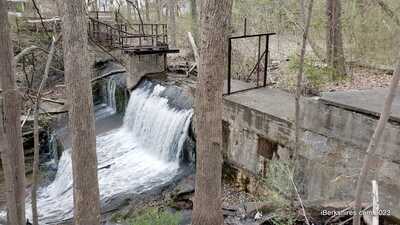 |
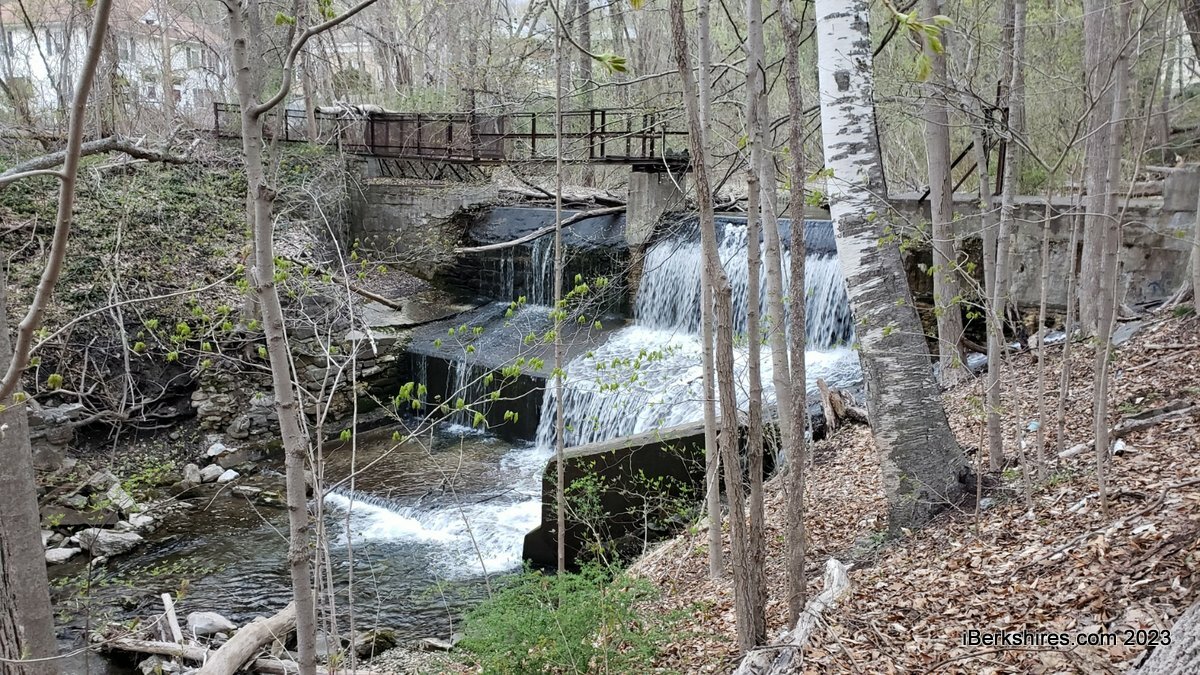
ADAMS, Mass. — The town's interested in removing the hazardous Fisk Street Dam — but it can't find the owner, Cwm Felin Ltd.
The limited liability company has a post office box in the Bahamas and owes more than $50,000 in delinquent property taxes and interest.
Community Development Director Eammon Coughlin told the Select Board on Wednesday that there are grants available to remove the dam but it requires either permission from the owner or possibly a taking by the town.
The dam is listed on the town's hazard mitigation plan and has been rated as a "significant hazard" — in the middle of the state's three-tier rating system.
"I need to delve more into what criteria gives it that rating, but the fact it's upstream of homes, some utilities — water, gas utilities that run through there — things would not be good if it were to fail," Coughlin said. "The dam is quite large, there's quite a large empoundment behind it as well, it would be very costly to remove and would likely be a multiyear process."
Berkshire Regional Planning Commission had approached the town about possible grants last fall but Coughlin said it's been difficult to track down the owner of the dam and the 60-odd-acre parcel it sits on.
The dam over Peck's Brook was built to power the mills in the area and had been part of the former L.L. Brown Co., a paper manufacturer. It is located in the narrow strip of land between Forest Park Avenue and Fisk Street.
It's been an issue for more than a half-century. There was talk about taking it down in the early 1970s and the town back in 1977 had considered taking court action against the owner at the time, Adams Paper Associates of Worcester and its President Barry Krock, because of silt backup and the need for structural repairs. The state had ordered repairs be made but it is not clear what, if anything, had been done.
Coughlin said Community Development has tried to contact the owner and that tax bills sent each year by the treasurer have been returned to sender. He joked about a joint venture to the Bahamas for a couple weeks to track down the owner.
A Google search for Cwm Felin Ltd. brings up a Welsh town by that name but nothing on the state's corporations list or on the Registry of Deeds' website.
"We're really unable to proceed with anything, in terms of any grant funding to try to look at the dam removal without approval by the owner," Coughlin said. "We could also begin the tax taking process to try to acquire ownership and move forward with removal that way."
Selectman Joseph Nowak didn't think it a good idea to take the property because "if something happens, it comes our way."
Selectman Howard Rosenberg agreed, adding it was a public danger and that the town should look into what it can do so as not to be liable. He recommended consultation with town counsel.
Coughlin said his office will continue efforts to contact the owner and speak with town counsel about help in that regard.
He also reported that the contract for the water system at the Greylock Glen had been awarded to Rifenburg Companies of Troy, N.Y., for $4.9 million. The project will provide potable water for all elements of the development as well as install a 350,000-gallon tank that will store water pulled from the water district. The project is being funded largely by grants and state monies.
In other business:
The board took two actions related to the annual town meeting and election.
• Timothy F. Rowley was appointed as temporary town clerk for one day to oversee the annual town election on Monday, May 1. The appointment was made because Town Clerk Haley Meczywor is running for election as a town meeting member.
The board also voted to close the town meeting warrant. Meczywor said no citizens petitions had been submitted.
The election will be held at the Memorial Building from 7 a.m. to 7 p.m. The last day to register to vote is Friday, April 21; absentee ballots must be requested by Monday, April 24.
• The board approved a victuallers' license to Poseidon Coffee. The coffee hut was approved for a liquor license at the last meeting.
• The board approved a mission statement for the Agricultural Commission presented by Chair Sonia McWhirt.
Tags: dams, hazard mitigation,