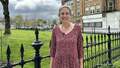
Provider Profile – Suzanne Childs, BHS Occupational Therapist

Print Story | Email Story
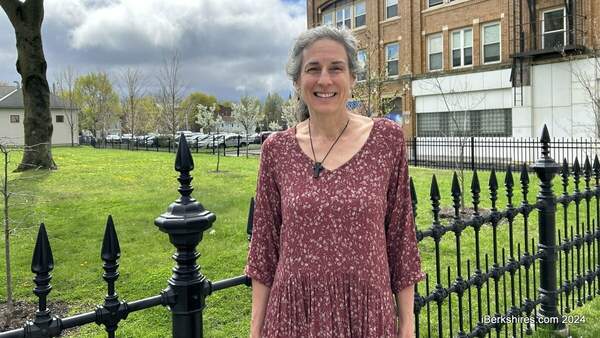
Across the country, there are nearly 135,000 Occupational Therapists, and Suzanne Childs, who provides this specialized care at the Center for Rehabilitation at BMC, says OT goes beyond helping someone regain their functions for work.
 
"We promote functional independence for people and help restore not only vocational skills, but also homemaking and daily living skills," said Childs. "Occupational Therapy covers the full range of activities people of all ages do to live functional, meaningful lives."
 
Suzanne has been with BMC since 1994 and has served as an Occupational Therapist in the Berkshires for nearly 30 years, most of that time in the outpatient setting. She came to the Berkshires after providing OT services in New Jersey, Pennsylvania, and later New York state.
 
"Occupational Therapists often work together with Physical Therapists, but our roles are quite unique. PT focuses on improving the patient's ability to move their body, whereas I concentrate on improving my patient's ability to perform activities of daily living. We help our patients to do things beyond their PT care, such as brushing their teeth, getting dressed, making meals and all of their other everyday tasks that may have been impeded by an illness or injury."
 
Suzanne is a graduate of Eastern Michigan University and completed her clinical education at Toledo Mental Health in Ohio and Magee Rehabilitation Hospital in Philadelphia. Over the years, she has provided care for spinal cord injury, stroke, post-acute rehabilitation for children and young adults and general rehabilitation.
 
If you need Occupational Therapy or any kind of rehabilitative care, ask your primary care provider for a referral or call the Center for Rehabilitation at BMC at 413-447-2234.



Tags: BHS,   BMC,   

Letter: Board Balance Needed on Dalton Public Safety Advisory Committee

Letter to the Editor

To the Editor:

I share Dave Martindale's concerns about appointing individuals with actual or perceived conflicts of interest to the newly formed Public Safety Facility Advisory Committee leadership. Several committee members either represent departments that would occupy and directly benefit from the proposed facility or have personal connections to those individuals, raising concerns about the committee's ability to impartially balance a best-in-class facility against a cost-conscious solution.

While their perspectives are valuable, the committee would benefit from a more balanced membership that includes independent residents focused on affordability, long-term planning, and the town's broader financial obligations.

I support the town's decision to explore a combined public safety facility. However, the police station needs assessment should be revisited before the town advances a specific plan. The assessment projects a 32 percent increase in total call volume and a 68 percent increase in staffing by 2045. Those projections are unrealistic based on historical call volume, crime statistics trends and the town's financial outlook — particularly when future budget constraints may require staffing reductions.

The town has already invested considerable time and money pursuing a standalone police station after previously rejecting a combined facility. Now that a joint facility is again under consideration, residents deserve a transparent process based on realistic projections and a cost-conscious evaluation of the town's actual needs.

The town manager and Select Board should consider adding neutral community members to the committee and designating the police chief and interim fire chief as non-voting advisers. They should also revise the needs assessment using supportable staffing, call volume, and population assumptions. A public safety facility is a significant long-term investment, and the town should ensure that the final proposal balances public safety needs with fiscal responsibility.

Amy Lennin
Dalton, Mass.


View Full Story

More Pittsfield Stories