Dalton Traffic Commission Comments on Dalton Division Designs
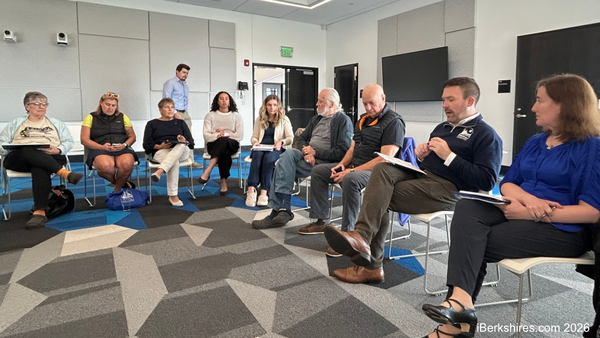
DALTON, Mass. — The Traffic Commission weighed in last week on the preliminary design options for Dalton Division Road that were presented last month.
The commission's discussion focused on the sewer line, sidewalks, and intersection of Williams Street, Washington Mountain Road and Mountain Road.
Some commissioners felt that installing a sewer line on the Dalton side and not include the city if Pittsfield is "silly" because of the cost of the cost and future ramifications it could have.
"It seems rather silly to me to put a line down the Dalton side of the road and not include the city of Pittsfield in that same area," Chair William Drosehn said.
The cost of the project is in the neighborhood of $5 million. Not providing Pittsfield residents the opportunity to tap into the sewer line could pose an issue in the future if Pittsfield expresses an interest in putting a line down on its side which would require the road to be torn up again.
Commissioner Camillus. B. Cachat Jr. agreed, adding that if Pittsfield residents were to choose to tap into the sewer line the town could charge them.
The construction will not cost the town but it is responsible for funding the engineering at about $800,000, in addition to easement costs.
This project was authorized for funding in 2016 by the Metropolitan Planning Organization but was pushed down the Transportation Improvement Plan list because of incomplete engineering. The easement costs were not included in the original authorization.
The "project fell through the cracks during a previous administration" but has since been revitalized with the addition of a sewer line.
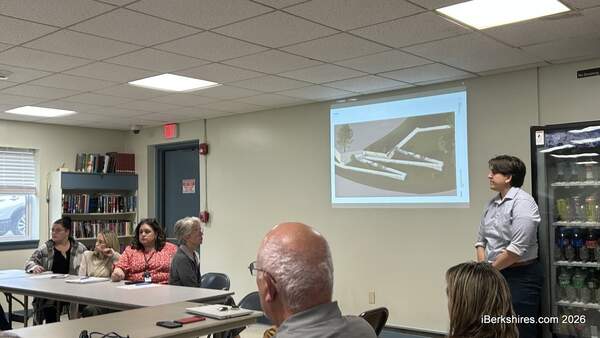
The Select Board in December grudgingly agreed to advocate for the concept that would have sidewalks on both sides, a 5-foot bike lane in the road on both sides with a buffer, and a 2-foot painted buffer between the vehicle lane and in the bike lane. The board also recommended the two-way stop control option.
Although the Select Board voted to recommend the two-way stop control option, some commissioners felt the roundabout was "a better alternative."
The roundabout would help lower the amount of fuel and carbon that blows into the air, which is a problem with the two-way stop control due to idling cars, Drosehn said.
The type of roundabout proposed is not a safe alternative, Commissioner Adelard Nadeau said and that
the size should be determined by entrance and exits because the smaller the roundabout the more dangerous it is for drivers.
If the roundabout entrances and exits are too small then the drivers are coming in and exiting too close together, he said. The larger roundabouts are not being considered.
Nadeau also expressed his apprehension of having sidewalks on both sides because the town will not collect tax dollars for putting them on the Pittsfield side.
Installing sidewalks on the Dalton side would have a significant impact on wetlands, private properties, and issues with slopes all throughout the corridor.
The Select Board heavily questioned the value the proposed preliminary designs of Dalton Division Road have for residents during the December meeting.
More information on the Select Board decision to recommend the sidewalks on both side and two-way stop control option here.