Pittsfield Schools Point to Online Resource for Bullying, Peer Conflict.
PITTSFIELD, Mass. — School administrators are urging families to use an online resource to report bullying and peer conflict.
"We're really trying to promote the bullying reporting form, [so] that families use it, and … even if they can't fill it out themselves, we want to really make sure that families understand that they're entitled to an investigation when they make a claim and an outcome," Superintendent Joseph Curtis said during a virtual school safety meeting last week.
This online form improves accessibility to reporting and makes it easier to tack student conflict, Curtis said.
The school adjustment counselors across the elementary, middle, and high schools keep each other informed of a situation between students when a student graduates to the new school, Bethany Nichols, director of social emotional learning and student support, said.
The district's website has the form and other bullying and prevention resources for families. Once the form is filled out an bullying investigation gets started.
"If there is a concern as a parent or a member of the community, that you've witnessed some bullying, you're able to complete this form and share it with the school and will document all of the things that they would then ask you," Nichols said.
"If you're unable to complete the form or don't have a printer you can certainly call the school and they can help you fill that out."
Even before any bullying determination is made, the schools work with the student to make sure they feel safe, she said.
"Safety first is always the first response. Making sure the student feels comfortable at school, making sure they're safe at school," Nichols said.
"... whether or not the behavior is found to be bullying, that experience is real for the student and feeling uncomfortable at school."
Regardless of what the outcome of the investigation is, a response plan is always implemented. It just varies depending on the outcome, she said.
Once the investigation is complete the bullying victim and the student deemed as the aggressor receives a summary letter of the investigation so that the students and families know what is happening, what the outcome is, and what the plan is going forward.
Depending on if the situation is deemed as bullying or not, things the schools will do to address the behavior include mediation if it is considered a peer conflict.
The response plan for bullying varies based on the student, their age, their skill level, and prior interventions. Some intervention resources they use are skill building groups for both a target and an aggressor, safety plans, restorative interventions, developing a behavior plan, and possible referrals for outside services.
"We always strive to include a skill building response in addition to anything that's disciplinary," Nichols said.
The state requires school districts to develop and submit a prevention and intervention plan that is updated every two years. Bullying takes into consideration a variety of things including gestures, conversations, social media and cyberbullying.
In 2013, the state included bullying of a staff member so last year the district started to report if there were any incidents of bullying involving school staff.
The outcome of the bullying investigation and behavioral logs are uploaded to PowerSchool so staff at the new school have access to anything that's been done previously.
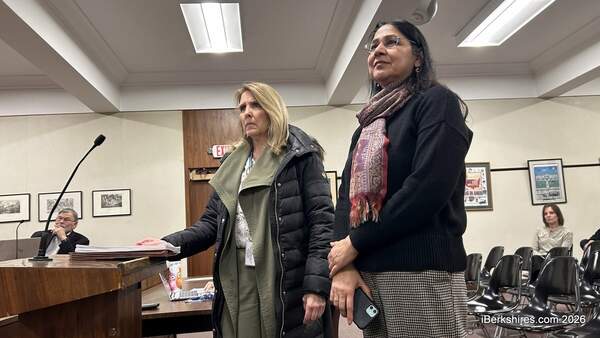
During the Zoom meeting that was open to the public, Nichols presented the district's bullying prevention and disciplinary procedures.
She started the presentation by clarifying how the state defines bullying. To be considered bullying the situation has to be repetitive, intentional, and there needs to be a "clear power imbalance," Nichols said.
If the situation is repetitive, and intentional but is lacking a power imbalance then it is characterized as a peer conflict.
"Other things we might see. Sometimes students just do something really mean but that happens just once. It's intentional. There may or may not be a power imbalance but the key here is that it's not repetitive," Nichols said.
Power balance can mean a lot of different things from popularity, size, disability, economic disadvantage, race, ethnicity, gender, among other things, Nichols said.
"We also have to consider if it is a civil rights violation if someone is targeting them based on their protected class, and this [list] is certainly not exhaustive, but we have to consider what that power imbalance might look like," she said.
To prevent bullying within their schools, the district has a number of prevention programs including mentorship programs, student support teams, tier one leadership teams, tier two behavioral interventions, and more.
The tier one leadership teams work on positive behavior support, such as earning chips, tickets, or points for positive behavior.
"Our code of conduct also is really strongly grounded in restorative and promotion and prevention practices to support engagement and community between the students," Nichols said.
The tier two behavioral intervention includes programs like the Check in/Check out system for at-risk students, where students will check in multiple times a day with and adjustment counselor or other support staff to discuss how their behavior is going and celebrate any positive behaviors for the day.
In addition to that the district has a second step curriculum in Grades pre-kindergarten through 8. This is the district's social, emotional, learning curriculum which includes a bullying prevention component every year.
"It's developmentally appropriate, starting with building empathy and understanding others' opinions and then as the students get older [it] moves more into speaking directly about bullying," Nichols said.
The administration also presented some emergency and safety practice changes that have been or will be made in the coming year. Article here.
Tags: bullying, Pittsfield Public Schools,