Tips for Managing Spring Allergies
 |
It's happening—delicate snowdrops nodding in the breeze, maple buckets being hung (and re-hung), and the first pussy willows bursting forth from their winter cocoons.
For most people, these earliest signs of spring are welcome reminders that longer, warmer days are ahead. But, for the 81 million American adults and children with seasonal allergies, those same seasonal heralds are more of a red flag than a thing of beauty.
And, thanks to the particularly mild winter experienced in New England, the season of sneezing may be upon us a bit earlier than usual.
While there is no cure for seasonal allergies, you can take steps NOW to reduce your body's reaction to pollen and allergens before they intensify. Most allergy medications—including nasal steroid sprays and antihistamines—are more effective if they are in your system before you are exposed to any triggers. Taking your medication 1-2 weeks before allergy season begins is ideal.
To keep your symptoms at bay, take your medications consistently once grasses, trees, and flowers begin to produce pollen grains, which travel by air into your nose, eyes, mouth, and lungs. Other steps you can take to minimize your reaction include:
- Plan your outdoor activities to avoid high pollen counts that occur during midday or afternoons.
- Track pollen counts and forecasts and plan accordingly. Visit pollen.aaaai.org or Weather.com for local pollen reports.
- Wear a pollen mask or dust mask when pollen counts are high or during outdoor activities such as mowing the lawn.
- Keep home and car windows closed during pollen season.
- Use central air conditioning or air cleaners with HEPA filtration to capture any pollen that may enter your home through doors, windows, on your clothes, and on pets.
- Wear sunglasses and cover your hair when outside.
- Rinse eyes with cool water or saline eyedrops to remove clinging pollen after coming indoors. For severe itching, use allergy eyedrops.
- Change and wash your clothes as soon as you come in from outside to avoid tracking pollen in your home. If counts are high, you may want to shower as soon as you come in, too. At the very least, shower daily before bed to keep pollen off your sheets and bedding.
- Dry your clothes in a clothes dryer or inside, not on an outdoor line.
Common Spring Allergy Symptoms
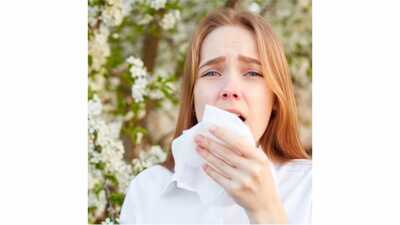
- Sneezing
- Itchy, inflamed eyes
- Runny or stuffy nose
- Headaches
- Fatigue
- Sore throat
- Congestion
- Coughing
If you're still suffering after trying these measures and over-the-counter medication, contact your doctor. Lynn Mann, MD, is a pediatrician at SVMC Northshire Campus.

Tags: svhc, SVMC,