Pittsfield Subcommittee Supports Election Pay, Veterans Parking, Wetland Ordinances
PITTSFIELD, Mass. — The Ordinances and Rules subcommittee on Monday unanimously supported a pay raise for election workers, free downtown parking for veterans, and safeguards to better protect wetlands.
Workers will have a $5 bump in hourly pay for municipal, state and federal elections, rising from $10 an hour to $15 for inspectors, $11 to $16 for clerks, and $12 to $17 for wardens.
"This has not been increased in well over a decade," City Clerk Michele Benjamin told the subcommittee, saying the rate has been the same throughout the past 14 years she has been in the office.
She originally proposed raises to $13, $14 and $15 per hour, respectively, but after researching other communities, landed on the numbers that she believes the workers "wholeheartedly deserve."
Councilor at Large Kathy Amuso agreed.
"I see over decades some of the same people and obviously they're not doing it for the money," she said. "So I appreciate you looking at this and saying this is important even though I still think it's a low wage but at least it's making some adjustments."
The city has 14 wardens, 14 clerks, and 56 inspectors. This will add about $3,500 to the departmental budget for the local election and about $5,900 for state elections because they start an hour earlier and sometimes take more time because of absentee ballots.
Workers are estimated to work 13 hours for local elections and 14 hours for state and federal elections.
Benjamin also cited the increasing cost of living and the state minimum wage of $15 an hour.
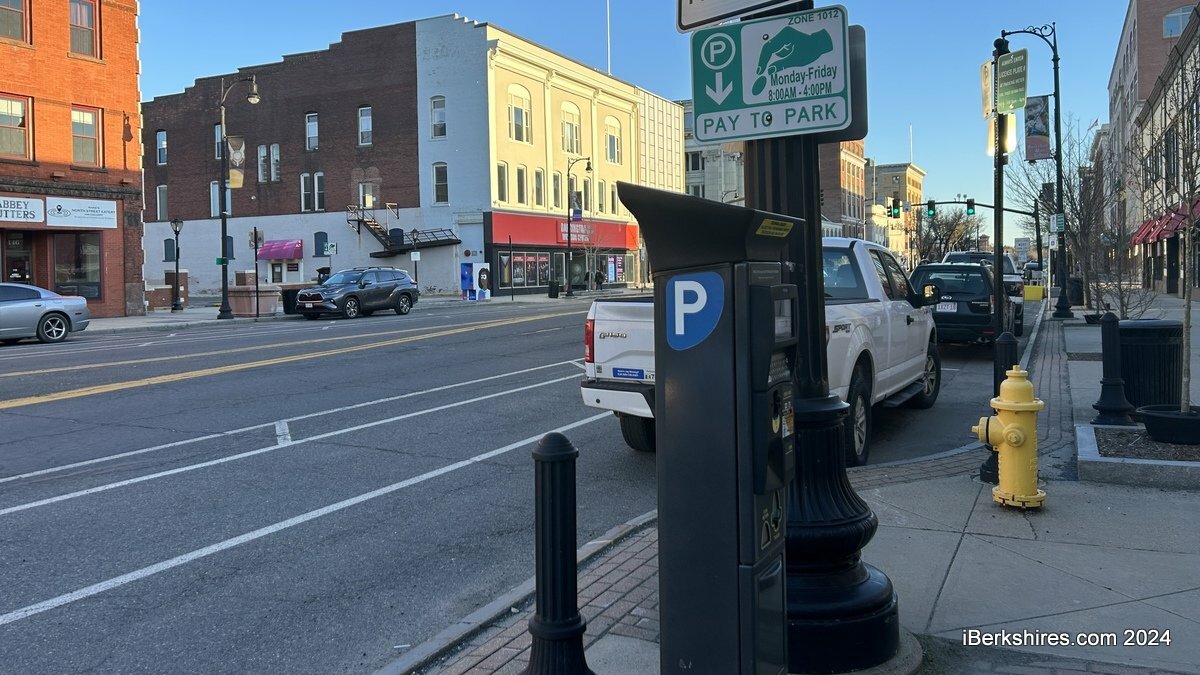
Councilors also supported a request from Ward 1 Councilor Kenneth Warren, Ward 4 Councilor James Conant, and Ward 5 Councilor Patrick Kavey to allow those with veteran license plates to park in municipal parking lots and spaces for free. An amendment was added to stipulate that this will also include regular plates that are owned by veterans and registered with the city.
"I think this is a benefit that is worthwhile," Warren said.
Council on Aging Director James Clark said veteran plates have a yearly cost and that some may see an issue with paying extra for the plate to get free parking. He suggested that veterans register their license plates with the parking system, which was widely supported.
Kavey said that was a part of the original idea and Commissioner of Public Works and Utilities Ricardo Morales is trying to figure out how to make it happen.
"He also had some other concerns about areas in the city where he would prefer that we weren't doing it, the one being North Street because of limited availability of parking spaces," he added, as Morales could not be at the meeting.
Council President Peter White pointed out that the city can track people who have a dog license and not ticket councilors parked around City Hall so they should be able to register veterans in the system.
Councilors also supported a request from the Conservation Commission to amend two ordinances in the city code by adding a chapter on wetlands protection and amending the chapter on criminal and non-criminal enforcement adding fines of $100 for a first offense, $200 for a second, and $300 for the third and subsequent offenses for enforcement orders.
"The impetus of this project was the Conservation Commission recognizing that our enforcement capabilities aren't all that powerful, really. When we enforce certain actions, when there are violations of the Wetlands Protection Act, the end product really is an after-the-fact wetlands permit. It doesn't get us very far. It really takes a lot of time on my end and the Conservation Commission's end. To enforce it takes time, seeking the violators and getting them to do those certain things, getting the after-the-fact permit," Conservation Agent Robert Van Der Kar explained.
"So we're hoping that we can establish a fine structure. We have to do that through an ordinance we can't fine against the Wetlands Protection Act so born out of this project, we're hoping to establish a wetlands protection ordinance."
He said 220 of the 351 Massachusetts communities have a wetlands protection ordinance, three in Berkshire County, and most are modeled after the Massachusetts Association of Conservation Commission's model bylaw.
Most of the wetlands matters will stay the same, with the appeals process being the exception. Appeals will be handled through the Superior Court rather than the Massachusetts Department of Environmental Protection.
"What I've seen especially over the last five years is violations of the Wetlands Protection Act and everything under that umbrella. Of things like throwing trash down the riverbank, tires, shopping carts, garbage, trees, locks, wood chips, these are all things that we've seen more and more and more of," Conant said.
"And it's come to the situation where it's hopeful that if this ordinance is enacted, that we want people to realize that there's a monetary involvement here now. Not just something where we dig into months and months at a time to try to get people to rectify the egregious nature of what they've done. That's basically all we can do now and a lot of times we can't get it done."
Tags: ordinance & rules , parking,