ARPA Funds Approved for Public Safety Feasibility Study
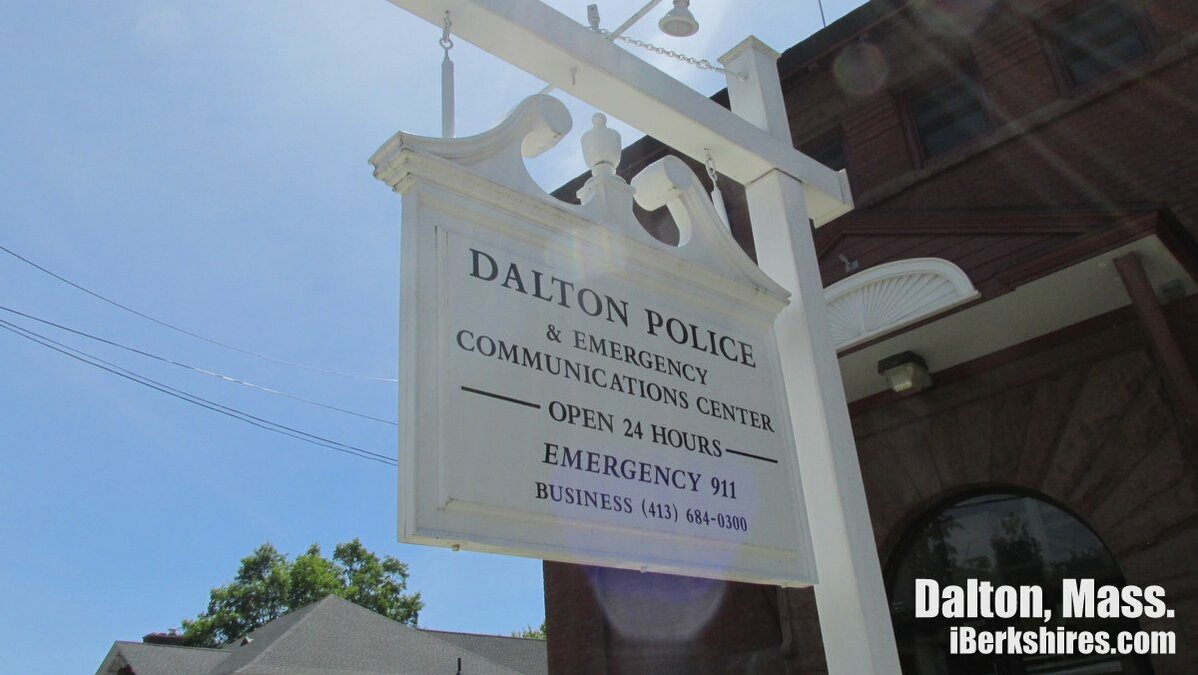
DALTON, Mass. — The Select Board voted to allocate $100,000 from the American Rescue Plan Act funds to fund a feasibility study for a proposed public safety facility.
With a thick packet in hand, Public Safety Facility Advisory Committee member Anthony Pagliarulo demonstrated to the board last week that not only is the current police station not a viable option to house a 21st-century Police Facility, but also that a feasibility study, grant writing, and videography of the current station is needed.
The 40-page packet has seven exhibits that show aspects of the project the committee has considered over the last three months.
These include a draft of the police station condition report, historical costs of feasibility studies, public safety project costs and square foot data comparison projects, a milestone schedule, and a draft of the feasibility scope of services.
In addition, it has draft property evaluations for five properties, which the committee has started reviewing as possible locations for a new facility.
The committee is scheduling tours of each property and will discuss which locations to consider at a future meeting.
Also included is a document comparing the Williamstown Police Department and the town's current police station, which shows the department's hope for a new facility and further demonstrates the need.
Pagliarulo pointed out during the Select Board meeting that although the Williamstown and Dalton departments have a similar number of staff, the difference in size is substantial.
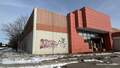
The Williamstown Police Station has a total square footage of 10,849, which is more than twice the size of Dalton's 4,860 square feet. Williamstown Police had a similar outdated station in Town Hall (itself a former fraternity house) until it purchased a closed veterans facility in 2017 and renovated it.
"[The $100,000] sounds like a significant amount, and it is to cover any anticipated cost with feasibility, but even more so, our understanding is the state does not provide any money of any significance for a new public facility," Pagliarulo said.
"So, we would hope that any monies that may be in the balance after paying for feasibility, we would look for a grant writer at the federal level to scour for money."
The committee determined that amount after comparing the costs of feasibility studies for public safety buildings in other towns and anticipating the committee's future needs.
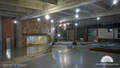
The need for a new facility becomes apparent after a tour of the current facility in the basement of town hall, which is why the committee wants to make a video showing taxpayers the conditions of the station, further demonstrating the need for a new facility, Pagliarulo said.
During the presentation, Pagliarulo described the committee's work schedule as "ambitious, if not aggressive," in an effort to mitigate the impact inflation will have on the project's cost.
During a previous public safety advisory committee meeting, it was demonstrated that the inflation rate is roughly $100 per square foot a year, so delaying a 15,000-square-foot building for a year would cost an additional $1.5 million.
"This is a significant amount of money in terms of a project, and ultimately, what the taxpayers will be faced with. So, we have moved very quickly," Pagliarulo said.
The committee initially presented the board with its request to have the funding be included in the special town meeting on Oct. 7, but the board decided to use ARPA funds instead, which will
allow the feasibility study to proceed more quickly.
The town has $152,961 remaining in ARPA funding, which needs to be spent by the Dec. 31 deadline.
"This would use two-thirds of the remaining money that we have, and I believe that's a good thing because I'm getting nervous about spending by the end of the year. I don't think there will be a problem doing it, but it seems reasonable to me," Town Manager Tom Hutcheson said.
The only argument against it would be that the vote on the feasibility study could be a straw vote on the facility itself, he said.
"I certainly support the allocation of funds, but I do place value in allowing people who pay taxes in the town to voice their opinions at a town meeting on whether to fund this or not," Vice Chair Dan Esko said.
Select Board member Marc Strout pointed out that voters will have an opportunity to vote on it when the vote to construct the station comes down. A feasibility study is needed to show the town that a new station is needed.
Board chair Robert Bishop also added that the vote on the feasibility study would not be a good indication of voters' opinions on the station itself because special town meetings are lightly attended.
"I'm sure it would pass at town meeting, too. That might be an assumption on my part, but from what I've heard and the people that I've been speaking with, it's very well supported in the town that we need this, so I think in the interest of expediency and getting this done fast I'll support it," Esko said.
A motion was made by Strout to approve the allocation of the $100,000 of ARPA funds for the feasibility study, grant writing, and videography of the current station’s condition, which passed unanimously.
Pagliarulo also encouraged residents with questions to attend the committee's meeting. Meetings can be found on the town website.
Tags: police station,