Dalton Public Safety Advisory Committee Ranks Potential Properties
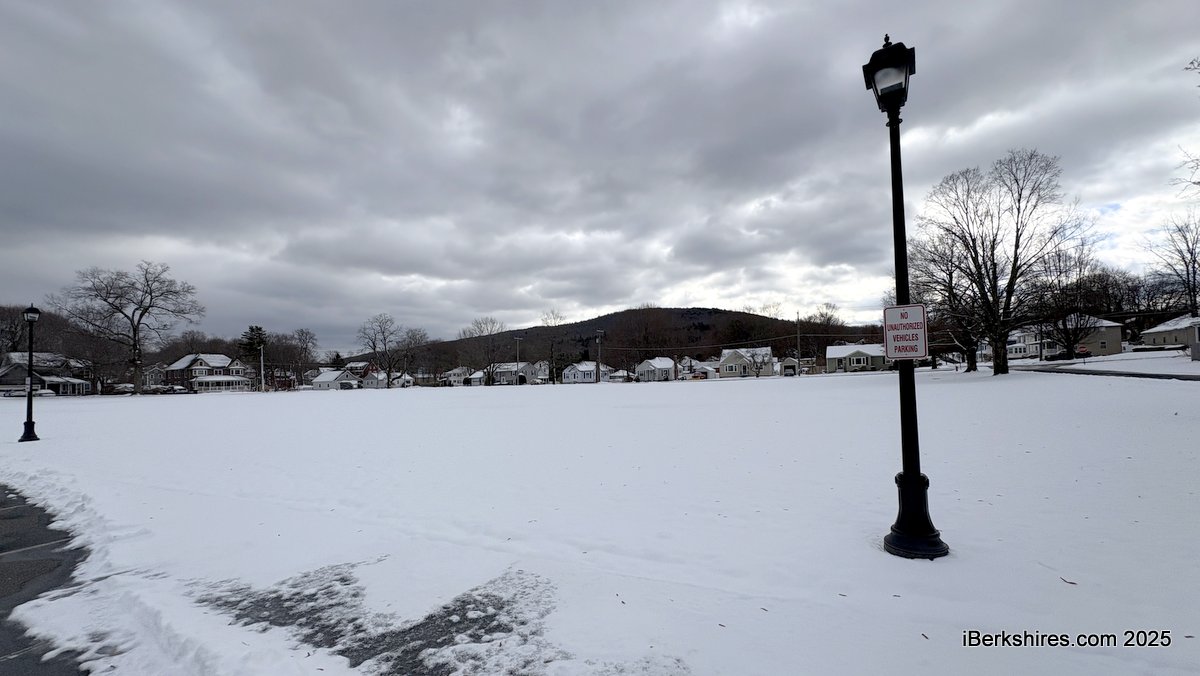
Use of town-owned lots near the Senior Center would require a town meeting vote as housing had been designated a priority for the former school property.
The committee ranked the locations based on a quantitative scoring and weighting process, considering the properties' location, projected cost, size, and whether it is purchase or lease and whether it's vacant or has an existing structure.
Jacunski Humes Architects LLC of Berlin, Conn., selected to conduct the study, will assess what is needed for an efficient and accredited public safety facility at each site. This will include cost estimates and consideration of scenarios such as building a new facility on a green site, remodeling an existing building, and demolishing and rebuilding potential sites.
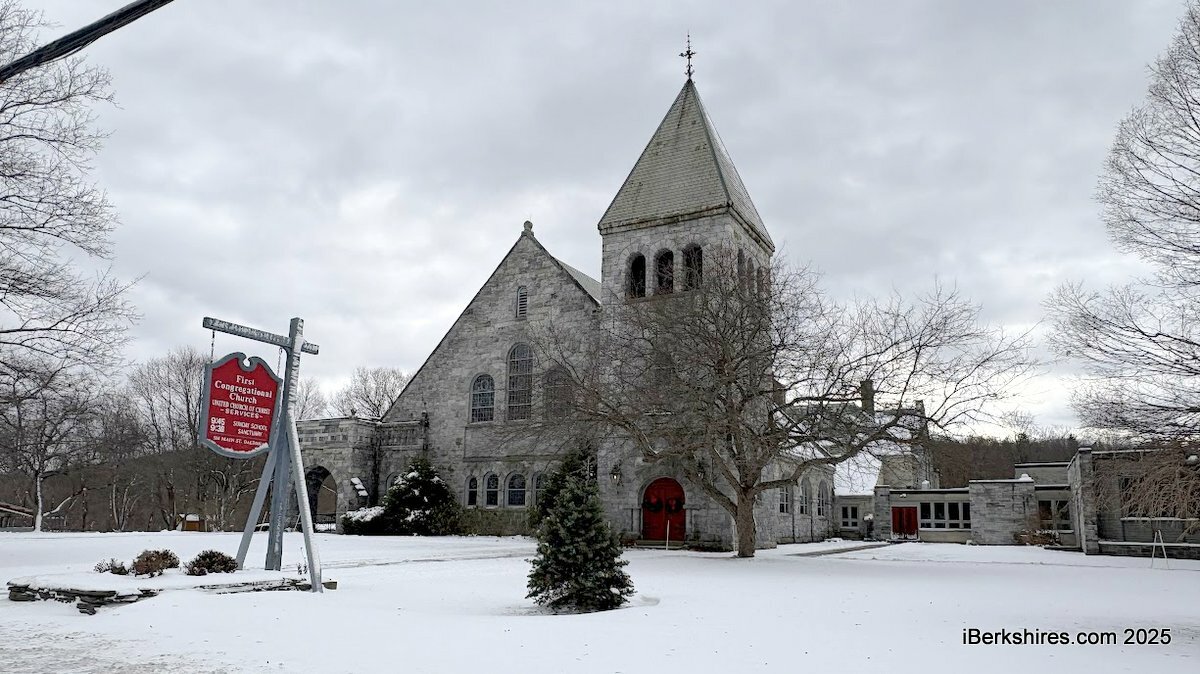
The property that obtained the highest rank was First Congregational Church's addition, which has offices in the basement with a walkout and some offices on the second floor on the south end.
According to committee co-Chair Craig Wilbur, purchasing or leasing the property is up for negotiation. The congregation has the 2,600 square foot space listed on for lease on its website.
There is also the possibility of constructing a building farther to the east of the existing church using some of the green space and parking lot.
The committee is unsure if the parking lot is available for consideration but opted to keep it on the list so the architect could evaluate all the potential options for the property.
Committee member Antonio Pagliarulo argued that the committee should recommend to the Select Board to declare church property as a "unique property" under the state uniform procurement act.
A unique property is a site that has specific characteristics that set it apart from other options. The committee has to define the criteria that would make a property unique.
If the town declares the property as unique, it does not have to go through a competitive bidding process to acquire it, which is simpler and would streamline the process.
"I think it meets our needs, and it qualifies as a unique property, as a building, it's a kind of tremendous shell. We've had a longtime contractor look at it and say, 'this is a winner,'" he said.
He demonstrated how it has 12-foot ceilings, an opportunity for a third floor, plenty of space, and is about 500 feet away from Town Hall.
"There's not anything that would say that this property isn't unique," Pagliarulo said. "And remember, the First Congregational Church is a congregation. It's just not one member."
The committee has had preliminary talks with the congregation, although the property would have to be surveyed and appraised; declaring it as unique would allow the town to enter into discussion with the church without a commitment.
"If, indeed, we can come to an agreement, we then proceed to purchase and sale. If we don't come to an agreement after an appraisal or for whatever reason, terms and conditions aren't favorable, we can always put out an [request for proposal]," he said.
Declaring a property as unique does not happen overnight. It has to be posted and can take up to 30 days. During that time, the town could see if it could come to an agreement, he said.
"The property itself seems to be fairly pricey based on the number we saw, so that itself makes them wonder if a unique acquisition would give us any competitive advantage, or would we be stuck with a very limited negotiation knowing that we're looking at that properly," Wilbur asked.
Pagliarulo emphasized that declaring it a unique property is a faster route. The town enters into a discussion with the church and gets the property appraised, which is upwards of $5,000.
"If you can come to an agreement, great. If you can't, well, then you go out to request for proposals," he said.
"It's just a faster route toward the end. It may or may not be feasible, given what they want and what we're willing to pay."
Considering how much time the feasibility will take, it may be worth declaring the church property unique so it remains available, Pagliarulo said.
There is uncertainty about whether the church meets the requirements to be declared a unique property.
"If there is a unique building, we would pretty much know that that's the only place that we could have a new police station," Town Manager Thomas Hutcheson said.
He also explained that declaring a property as unique is not the only way of quickly moving the project forward.
"If we chose municipal land that would also move forward quickly without an RFP … or even if there were state land that we could make a deal with the state for that doesn't need an RFP," he said.
Pagliarulo disagreed and said the state definition of a unique property is broad.
The available municipal properties were ranked low, and to the committee's knowledge there are no state properties available, he said.
The board agreed to contact the Inspector General to see if First Congregational Church meets the criteria to be declared a unique property.
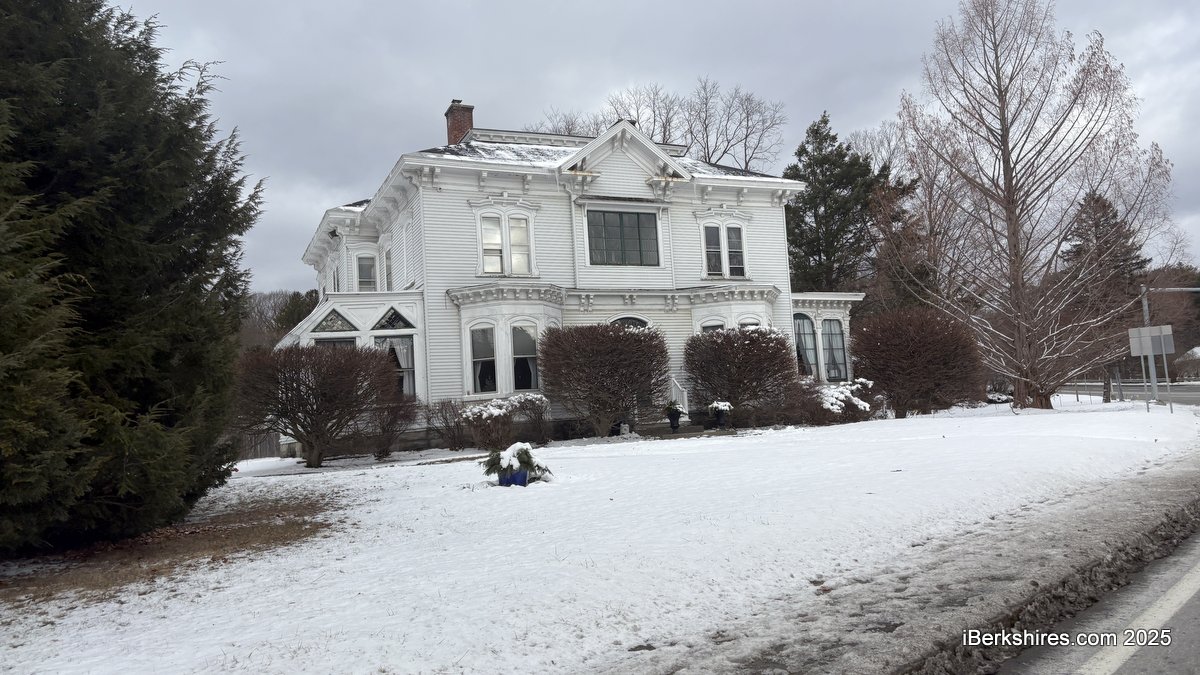
The committee is also looking at parcel with a building at 197 Main St. and a vacant lot near 742 Main St.
"We're going for a number of goals, but one of the goals is what it costs to do the job and, obviously, trying to get the best deal for the town with the best result," Hutcheson said.
Hutcheson suggested that the committee maximize the variety of properties to consider, including vacant land, developed properties, or those with buildings that could be utilized.
This would help inform future decisions, as it would give the town a variety of building scenarios and cost estimates.
The property that received the third highest rank was another was a vacant lot next to 742 Main St. and across from Cumberland Farms. One concern raised was the uncertainty of whether it is available for purchase or lease.
The fourth-highest ranked lot is next to the Senior Center, located at 120 First St.
There are two potential parcels on the lot: one facing High Street, which has about 1.1 acres, and one in the back, adjacent to Glennon Avenue, which has approximately three acres.
The property has some hurdles, such as flooding, which is being addressed with the Walker Brook project.
Utilizing the location for a police station would need to be approved at a town meeting. When the town demolished the old school on the lot, it committed to housing as the reuse priority, generating more tax revenue to repay the cost of the $1 million demolition.
Tags: police station,