State Reviewing Dalton's Proposed Second Historical District

By Sabrina DammsiBerkshires Staff
Print Story | Email Story
DALTON, Mass. — The State Historical Commission has received the preliminary documentation required in the process of establishing the town's second historical district. 
 
The proposed district starts at Park Avenue, where Main Street Cemetery is, and goes down to Depot Street. It then goes up High and North Streets.
 
Based on photos and by following the district subdivision plans or other development patterns, the state will determine whether there is enough historical significance to be considered a district. 
 
If they deem there is, the State Historical Commission will request an area form that they will use to evaluate the area for National Register eligibility, National Register Director Ben Haley in an email update to the commission.
 
"After we review the photographs, we may have questions about boundaries and may do a site visit," he said. 
 
The email did not include a timeline of this process, said town Historical Commission Secretary Nancy Kane. 
 
When the commission sent the files to the state, there was a request to define the area, Kane said. 
 
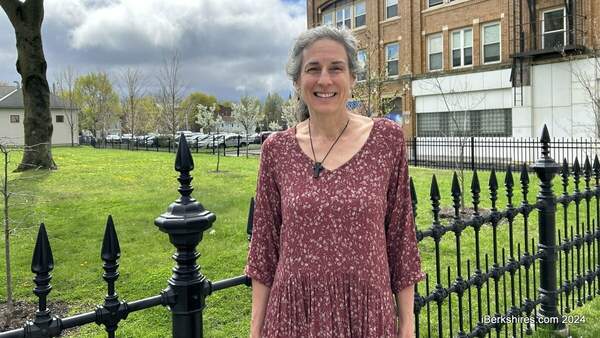
Kane said she defined it as a classic New England mill town characterized by residential areas, such as mill worker housing and homes of prominent citizens. 
 
Additionally, she demonstrated how the district had all the basic services and needs they would need to provide, such as schools, businesses, banks, and churches. 

Tags: historical commission,   
If you would like to contribute information on this article, contact us at info@iberkshires.com.

Letter: Real Issue in Hinsdale Is Leadership Failure

Letter to the Editor

To the Editor:

The Hinsdale Select Board recently claimed they are "flabbergasted" by the Dalton Police Department's decision to suspend mutual aid. This public display of confusion is staggering. It reveals a severe lack of leadership and a deep disconnect from the established facts.

Dalton did not make a rash or emotional choice. They made a strict, calculated decision to protect their own officers. Dalton leadership clearly stated their reasons. They cited deep concerns about officer safety, trust, training consistency, and post-incident accountability. These are massive red flags for any law enforcement agency.

These concerns stem directly from the fatal shooting of Biagio Kauvil. During this tragic event, Hinsdale command staff failed to follow their own policies. We saw poor judgment, tactical errors, and clear supervisory failures. When a police department breaks its own rules, it places both the public and responding officers at strict risk. No responsible outside agency will subject its own team to a command structure that lacks basic operational competence.

For elected officials to look at a preventable tragedy, clear policy violations, and the swift withdrawal of a neighboring agency, yet still claim confusion, shows willful blindness. If the Select Board cannot recognize the obvious institutional failures staring them in the face, they disqualify themselves from providing meaningful oversight.

We cannot accept leaders who dismiss documented failures and deflect blame. We must demand true accountability. The real problem is not that Dalton withdrew its support. The real problem is a Hinsdale leadership team that refuses to face its own failures.

Scott McGowan
Williamstown Mass.


View Full Story

More Pittsfield Stories