Clark Art Lecture On Queer Art And Artists in Medieval Europe
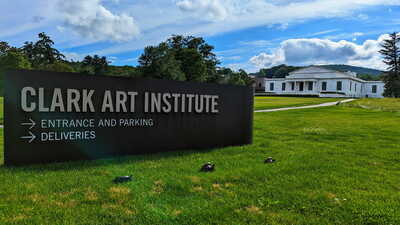 |
WILLIAMSTOWN, Mass. — On Tuesday, April 11, the Clark Art Institute's Research and Academic Program presents a talk by Karl Whittington (The Ohio State University) titled "Queer Making: Artists and Desire in Medieval Europe."
This free event takes place at 5:30 pm in the Manton Research Center auditorium.
According to a press release:
Whittington asks: what role does desire play in the making of art objects? Art historians typically answer this question with reference to historical evidence about an artist's sexual identity, personality, and relationships, or with reference to particular kinds of imagery in works of art. But how do we think about desire in the case of anonymous artists or in works whose subject matter is mainstream? We know little about the lives and personalities of the makers of most works of art in Europe in the Middle Ages, but this should not hold us back from thinking about their embodied experience. This talk argues that we can "queer" the works of anonymous historical makers by thinking not about their identities or about the subject matter of their artworks but rather about their embodied experiences working with materials. Through considering issues of touch, pressure and gesture across materials such as wood, stone, ivory, wax, cloth, and metal, Whittington argues for an erotics of artisanal labor, in which the actions of hand, body, and breath interact in intimate ways with materials. Combining historical evidence with more speculative description, this talk broadens our understanding of the motivations and experiences of premodern artists.
Free. Accessible seats available; for information, call 413 458 0524. A 5 pm reception in the Manton Research Center reading room precedes the event. For more information, visit clarkart.edu/events.