
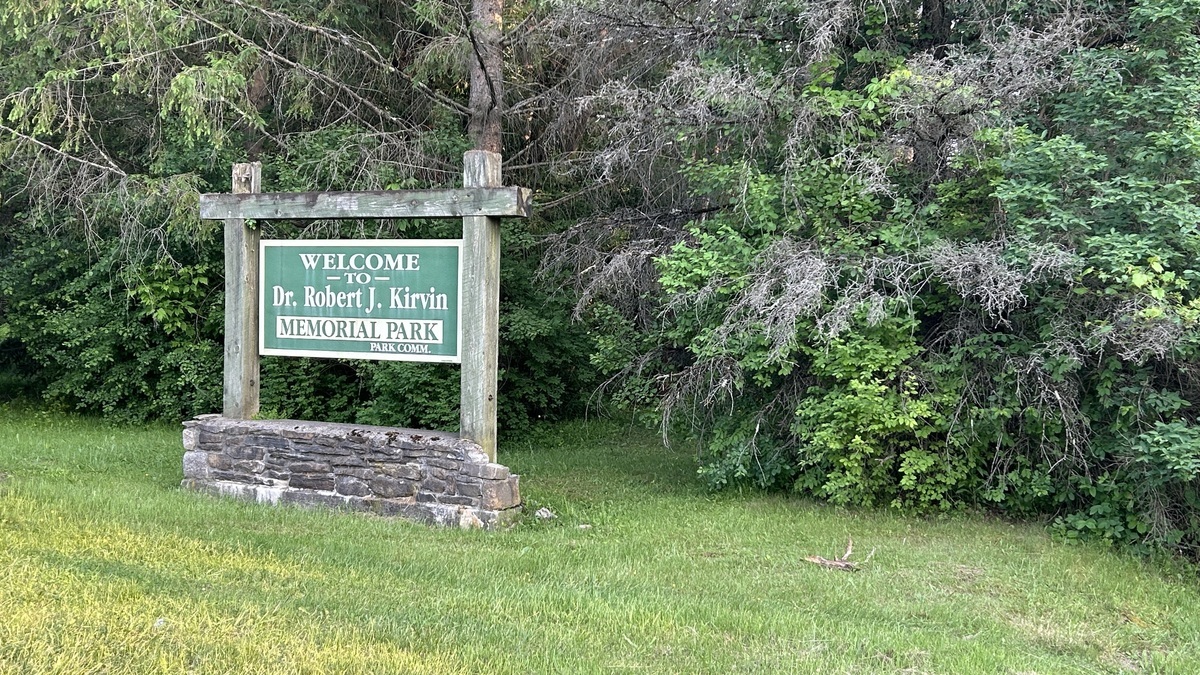
Kirvin Park Staged for 'Significant' Ecological Restoration
 |
PITTSFIELD, Mass.— Kirvin Memorial Park is staged for "significant" floodplain and habitat restoration beginning in the fall.
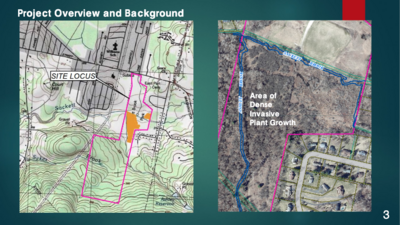
The city, in collaboration with the Housatonic River Natural Resources Trustees and General Electric Co., is working to enhance the natural resources of the Housatonic River Watershed. This project improves about 17 acres in the floodplain of Sackett and Ashley Brooks by removing invasive plant species, establishing native vegetation, and expanding wetland conditions.
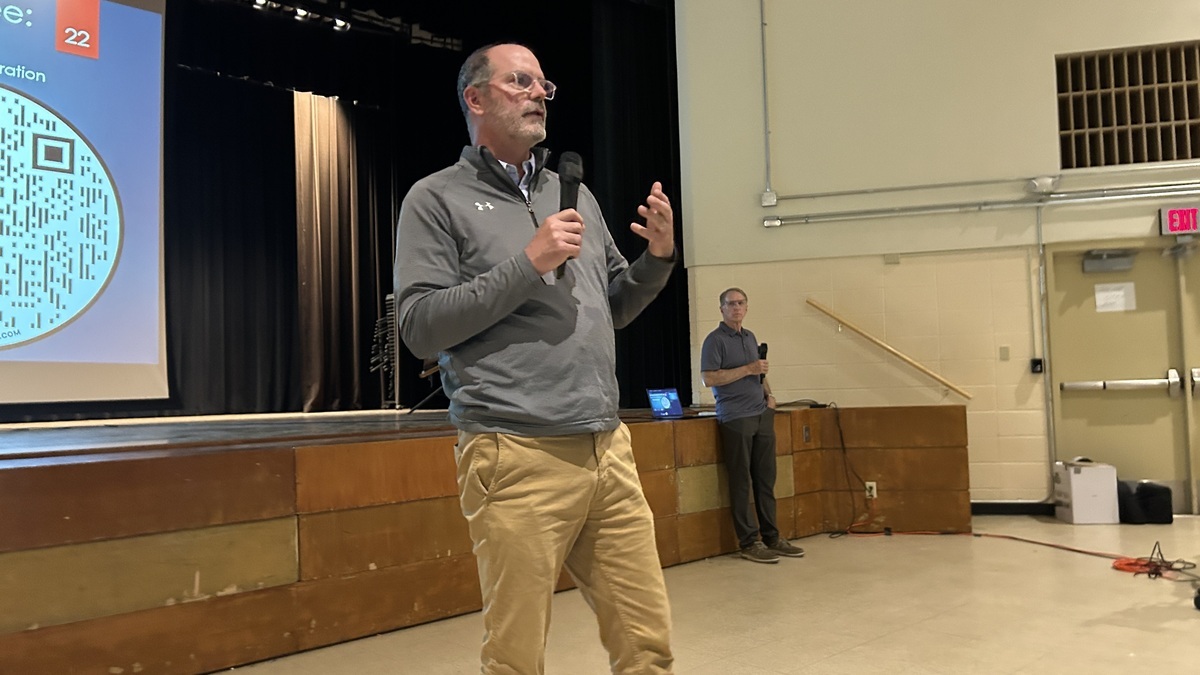
Last week, community members gathered at Herberg Middle School to hear about the team's efforts.
"We've put together this team to evaluate Kirvin Park and its appropriateness for a major ecological restoration project. Now, this project is part of the larger river cleanup that General Electric is undertaking," Parks, Open Space, and Natural Resources Manager James McGrath told about 30 people.
"…We understand that this is a very beloved park, and we want to make certain that you all are comfortable with what we're doing, and that you have your questions answered, and that you understand that this park will remain open during the construction project, and we're going to make every attempt to make certain that there are no conflicts between our project and your use of the park."
A product of the 2000s consent decree between the city, GE, and others, the 17-acres of work includes ten acres of floodplain restoration, three acres of wetland creation and enhancement, two acres of supplemental tree plantings, and two acres of pollinator habitat.
The final restoration plan will be submitted to the trustees and city for review in July, followed by a 30-day public comment period. The contractor will be selected between August and October, and construction is scheduled for November 2025 to January 2026.
Dennis Lowry, wetland ecologist with AECOM, explained that the plan is still "somewhat of a concept."
"It's moving beyond the concept at this stage, but we certainly want to have input from the public relative to any fine-tuning or any specific aspects of the plan," he said.
A 2019 assessment by the trustees identified a portion of the 225-acre park as a preferred location for restoration and enhancement.
"What's growing in here is a very unusual type of community. One of the most intensive areas of invasive plants that I've come across in decades of working," Lowry said about the wooded area south of the brooks.
The park's main invasive plant is Common Buckthorn, which has been spreading since 1995. In a floodplain, invasive species impair plants, soil, and water quality.
"They even affect the earthworms that are in there. Mostly it's an invasive European earthworm that's associated with this type of community, as opposed to native earthworms," Lowry said.
"So the whole community changes as these species come in and kind of monopolize what's out there, and so our goal is to get rid of this community and turn it into a natural, native floodplain type community."
A wetland delineation was performed, as well as surveys for soils and vegetation, groundwater levels, threatened and endangered species, and archeological potential. Three groundwater monitoring wells were placed in the wetland areas to document hydraulic conditions over several years.
Eighty-eight plant species were identified, only 15 of them invasive. Invasive buckthorn, honeysuckle, and bittersweet plants will be removed, and a targeted herbicide will treat the stumps.
Kirvin Park will gain 1.23 acres of new wetlands, and 1.2 acres of wetlands will be enhanced. The wetlands will see more than 3,500 new tree and shrub plantings, and the floodplain restoration areas will see more than 12,000 plantings as well as vines, fens, and herbaceous cover.
"These are all neighborhood trees that are found in our floodplains, cottonwood, silver maple, pin oak, red maple, fox alder, black willow," Lowry explained.
"Similarly with selected shrubs that are found naturally. Native species found in our floodplains."
He reported that the wood turtle put a "little additional complexity" to the plan, as it was found that the Sackett and Ashley Brooks are potential habitats for nesting, "but mostly it's a larger cobble type of material down lower along the river, and not necessarily what these species would prefer for nesting."
MassWildlife's Natural Heritage & Endangered Species Program agreed to the project team establishing a couple of turtle nesting areas up a little higher in the floodplain.
Lowry guessed that attendees were probably concerned about whether park use would be affected during project implementation and reported that the easy answer is "No." There will be some staging and occasional traffic to move materials.
"The intent here is not to affect any of those existing recreational activities," he said, reporting that the work area bordering a southbound trail will be fenced to separate the public from work activities.
Among inquiries from residents was a group of Pittsfield Public Schools students asking how they could get involved. One of the natural resource trustees explained that the hardest thing they face is getting the word out to the public.
"So if you're concerned about your turtles or your pollinators, or you want to be mindful of that beaver activity, then definitely wrap your mind around projects that can also become the best outreach for your community to inform them," they were told.